

Dr. Denti
Dr. Denti
WhatsApp Free Consultation
photo
Dental Implants Antalya 2026

Dental Implants Antalya 2026

Dental Implants Antalya 2026: Why Patients Keep Coming Back to This City

Antalya was not the obvious choice when dental tourism first started drawing European patients to Turkey. Istanbul was larger, more internationally connected, more recognisable on a map. The shift happened gradually as word spread about the concentration of implant specialists in Antalya, the quality of the clinics that had built themselves around international patients, and the particular combination of treatment and setting that made the city work in a way that a purely medical trip somewhere else did not.

Today Antalya handles more international dental implant cases than any other city in Turkey. That position was earned over time and it shows in how the clinics operate, how experienced the clinical teams are, and how refined the logistics have become for patients flying in from the UK, Germany, the Netherlands, and France.

Antalya Turkey dental tourism coastline 2026
Antalya combines a concentrated cluster of specialist dental clinics with genuine tourist infrastructure — making recovery days worthwhile rather than something to endure.
Free Consultation
Get a Dental Implant Quote for Antalya
Send us your X-rays or photos. We will review and respond within 24 hours.

What Makes Antalya Different from Istanbul for Dental Treatment

The comparison comes up constantly and it is worth addressing directly rather than avoiding it.

Istanbul has excellent dental clinics. It also has traffic, scale, and the particular friction that comes with navigating a city of fifteen million people while recovering from implant surgery. Patients who book Istanbul expecting the experience to feel like a focused medical trip sometimes find themselves managing commutes and logistics that were not in the plan.

Antalya is a different kind of city for this purpose. The clinics that serve international patients are concentrated in areas that are straightforward to move around. The distances between the airport, the hotels that clinic partnerships work with, and the clinics themselves are manageable. The city has genuine tourist infrastructure alongside the medical one, so recovery days have somewhere useful to be rather than hotel rooms in a neighbourhood that offers nothing.

The clinical concentration matters too. The implant specialists and ceramists in Antalya who have spent a decade working specifically with international patients have accumulated a particular kind of volume-driven expertise. A ceramist who has produced veneer cases for British and German patients for ten years knows things about what those patients want that is difficult to develop in any other way.

What Dental Implant Treatment in Antalya Involves

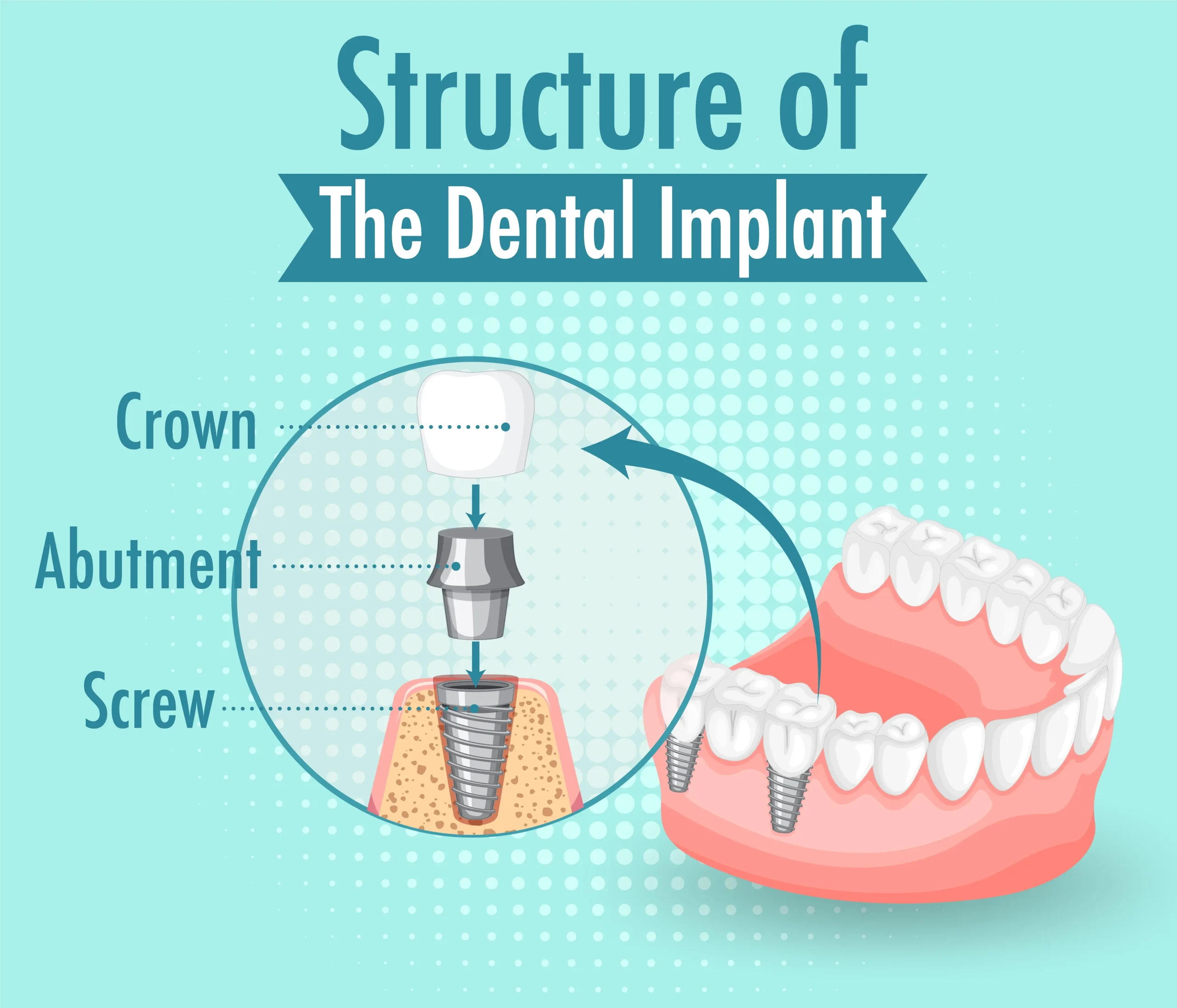
The treatment itself is the same wherever it happens. An implant is a titanium post placed into the jawbone that integrates with the bone over a period of months. Once integrated, a crown is attached to the post and the result is a fixed tooth that functions and feels like a natural one.

What varies between clinics is the implant system used, the experience of the surgeon placing it, the quality of the ceramic crown that goes on top, and the process by which all of it is planned and coordinated. In Antalya at established clinics, the implant brands in use are the same ones used at top private practices in London or Munich.

Straumann, Nobel Biocare and Osstem are the systems with the longest track records in this field. Their importance is not just about quality. Any dentist anywhere in the world recognises these brands, can read the documentation, and can continue your care years down the line if needed. That cannot be said for unbranded or budget systems.

On cost: a single implant including the crown at an established Antalya clinic in 2026 runs between £500 and £900. The same implant and crown at a private UK clinic typically costs between £2,000 and £3,000. Flights and a week's hotel add roughly £400 to £800. The net saving after travel is still very significant. For patients needing multiple implants, the gap compounds considerably.

The Treatment Timeline: What to Expect Across Both Trips

A treatment process involving two separate visits can look complicated at first. In practice it is straightforward and every step is predictable.

The first visit works like this: you arrive, the clinical team takes a CT scan and photographs, and the treatment plan is confirmed. Surgery usually happens on the second day. The implant post is placed into the jawbone under local anaesthetic. A temporary restoration is fitted before you leave the clinic, so you are not going home with a gap. The following days are spent at the hotel with a few short check-in appointments at the clinic. Most patients get on the flight home after five to seven days feeling entirely normal.

The gap between visits is the osseointegration period. The bone and the titanium post bond over three to six months. During this time the temporary restoration stays in place and daily life continues as normal. The clinic provides a remote contact for questions and most things, sensitivity, minor adjustments, are resolved by photo and message.

The second visit covers the permanent crown. The post is checked for full integration, a precise scan is taken, the ceramic crown is fabricated in the on-site lab, and it is fitted and adjusted. This visit typically runs three to four days. You leave with the finished result.

Single Implants vs Multiple Implants vs Full Arch

The scope of implant treatment varies significantly from patient to patient and the Antalya clinics that handle international cases are equipped across the full range.

A single missing tooth is the most straightforward case. One implant, one crown, two visits. For patients who have been living with a gap and have reasonable bone levels in that area, the treatment is predictable and the result is reliable.

Multiple missing teeth in different positions are handled as a planned sequence. The implants can be placed in the same surgical session if the positions allow. The crown fabrication and fitting happens in the second visit for all of them. The coordination is simpler than patients often expect because everything is managed by the same clinical team working from the same plan.

Full arch cases, where most or all of the teeth in one jaw are missing or need replacing, are handled through All-on-4 or All-on-6 systems. Four or six implants support an entire arch of teeth, making a complete jaw reconstruction possible without placing an individual implant for every missing tooth. The Antalya clinics that specialise in these cases have the implantologist, the prosthodontist, and the ceramist in the same building, which makes the coordination considerably more cohesive than patients managing referrals between separate specialists at home.

Bone Grafting and What Happens When Bone Is Insufficient

One of the questions that comes up most often in the research phase is what happens if there is not enough bone for an implant.

Bone loss happens naturally after a tooth is extracted or lost. Without a root pressing into the bone, the body gradually reabsorbs it. Patients who have been missing a tooth for several years, or who have been wearing a denture for a long time, often have less bone in the relevant area than patients who lost the tooth more recently.

Where bone volume is insufficient, a graft can rebuild it. Bone grafting material is placed at the site to encourage new bone growth. The graft needs time to integrate before an implant can be placed into it, which adds a waiting period to the overall timeline. Minor grafting can sometimes be done at the same time as implant placement. More significant grafting requires a separate visit.

The CT scan taken at the assessment appointment shows the bone levels precisely. A plan that accounts for grafting where needed is a better plan than one that ignores the issue. Any clinic willing to quote for implants without having seen your scan is not basing the quote on your clinical situation.

What the Dental Implant Price in Turkey Actually Includes

Pricing transparency is one of the more useful things to push for when comparing clinics. A low headline figure that excludes the crown, the abutment, or the consultation is not comparable to an all-in figure that covers everything.

TreatmentAntalya 2026UK Private
Single implant + crown£500 – £900£2,000 – £3,000
CT scan (if charged separately)£50 – £100£150 – £300
Bone graft (per site)£200 – £500£400 – £900
All-on-4 single arch£3,500 – £5,500£12,000 – £18,000
All-on-4 both arches£7,000 – £11,000£24,000 – £36,000

The question to ask any clinic is not just what the price is, but exactly what that price includes and what would be added if the assessment reveals something unexpected. A clinic that answers this clearly is a clinic worth taking seriously.

How Antalya Clinics Handle International Patients

The operational model of established Antalya clinics has been refined around international patients for long enough that it works smoothly in ways that are worth understanding before you book.

Most clinics have a coordinator who handles the patient journey from initial enquiry through to aftercare. This person speaks English, German, or French, manages the appointment schedule, arranges airport transfer and hotel if those are included in the package, and is the point of contact for questions between visits. Having one named contact for everything is something patients consistently cite as making the experience less stressful than they expected.

Airport transfers are standard at established clinics. Antalya airport is well-served by direct flights from the UK, Germany, the Netherlands, and Scandinavia. The journey from the airport to the clinic area takes between twenty and forty minutes depending on traffic.

The dental implants in Turkey model that Antalya has developed, the coordinator, the transfer, the hotel partnership, the remote aftercare, works because the clinics have invested in it over years. It is not accidental. It is what happens when a significant part of a clinic's revenue depends on patients who have flown from another country and need the logistics to work.

Questions to Ask Before Booking

Not all Antalya clinics are equal and the due diligence is the same here as anywhere else.

Ask which implant brand will be used. A named brand with documented clinical data is the answer you want. "Premium implants" or "European implants" without a specific name is not.

Ask whether the lab is on-site. Crown fabrication at an on-site lab with a ceramist who works directly with the clinical team produces better coordination and faster turnaround. Outsourced lab work adds dependencies and time.

Ask for a treatment plan based on your actual scan before any deposit is paid. A clinic that sends a quote within hours of your first message, before reviewing your clinical information, is not giving you a plan. It is giving you a starting price.

Ask what the protocol is if an implant does not integrate. Implant failure is uncommon but it happens. A good clinic has a clear answer. A vague or dismissive response is a useful signal.

Ask how aftercare between visits works. Who do you contact if you have a question? How quickly do they respond? What happens if you need something seen to by a local dentist?

Frequently Asked Questions

How long does dental implant treatment take in Antalya?
Two visits separated by an osseointegration period of three to six months. The first visit, covering surgery and temporaries, runs five to seven days. The second visit, covering the permanent crown, runs three to four days.
Is Antalya safe for dental implant surgery?
At properly chosen clinics with licensed implantologists, yes. The same factors that determine safety anywhere apply here: the qualifications of the surgeon, the quality of the materials, and the clinical standards of the facility.
Do I need to speak Turkish?
No. Established clinics serving international patients have English and German-speaking coordinators, dentists, and support staff as standard.
What if something needs attention after I return home?
A local dentist can manage anything that arises provided you have full clinical documentation from the treating clinic. This documentation should include the implant brand, model, and dimensions, the crown specifications, and the treatment plan for the second visit. Ask for it before you fly home.
Can I combine my dental treatment with a holiday in Antalya?
Yes, and most patients do. The treatment schedule leaves recovery days free and Antalya has the tourist infrastructure to make those days worthwhile. The old town, the coastline, and the surrounding region are all accessible during a treatment week without conflicting with clinical appointments.
What happens if I need bone grafting?
The CT scan at your first appointment will show whether grafting is needed and how much. Minor grafting can sometimes be done at the same time as implant placement. Significant grafting may require a preliminary visit. This should be factored into the treatment plan and the quote before you commit.
Free Consultation

Request a Callback

We will call you back within 2 hours during clinic hours.

WhatsApp
Thank you. We will be in touch shortly.
A confirmation has been sent to info@turkeydentalclinic.com
Full mouth restoration turkey 2026

Full Mouth Restoration Turkey: What It Involves and What It Costs

Full Mouth Restoration Turkey: What It Involves and What It Costs

Some patients come to Turkey for a single veneer. Others come to fix one missing tooth. Then there is a third group, patients who have reached a point where the entire mouth needs rebuilding, and who have done the maths on what that costs at home versus what it costs in Antalya.

That third group is who this guide is written for.

Full mouth restoration is not a procedure with a fixed definition. It is whatever combination of treatments gets every tooth in the mouth to a functional, lasting state. For one patient that is implants throughout. For another it is crowns on the back teeth and veneers on the front. For someone who has lost all their teeth it is full arch systems on both jaws. The clinical picture varies enormously. The financial picture does not: the saving on a full mouth rebuild in Turkey versus the UK typically runs to tens of thousands of pounds, which is the reason this particular decision keeps coming up in the lives of people who have been putting it off for years.

Full mouth restoration Turkey Antalya 2026
Full mouth restoration in Turkey covers every tooth in a single coordinated plan — at a cost that makes the treatment financially accessible for patients who had ruled it out at home.
Free Consultation
Get a Full Mouth Restoration Quote
Send us your X-rays or photos. We will review and respond within 24 hours.

What the Treatment Actually Covers

No reputable clinic will give you a meaningful quote for full mouth restoration without a proper clinical assessment first. That is a feature, not a problem. The treatments involved depend entirely on what is actually in the patient's mouth.

A full mouth restoration might involve extractions for teeth that have passed the point of saving. Bone grafting where implants are needed but the jaw has lost volume after years of missing teeth. Implant placement for gaps, whether individual implants or full arch systems. Crowns on teeth that are structurally present but worn, broken, or failing. Veneers on front teeth where the structure is sound but the appearance needs significant improvement. Root canal treatment where infection is present but the tooth is worth keeping. Gum treatment where periodontal disease needs to be addressed before any restorative work goes in. Whitening before ceramics are placed, because ceramic shade is fixed at the time it is made.

Not every patient needs all of these. Some arrive needing only implants and crowns. Some need only veneers across the front teeth. What makes it a full mouth restoration is that the treatment addresses all the teeth rather than isolated individual problems.

Who Ends Up Needing This

Years of avoidance
Whether from anxiety, cost, or circumstance, a mouth where multiple teeth are missing or broken reaches a scale where dealing with problems one at a time no longer makes clinical or financial sense. At some point the conversation shifts from fixing individual teeth to rebuilding the whole thing properly, and that is the point where Turkey enters the calculation.
Heavy grinding over years
Wear happens gradually enough that patients often do not notice how much height has been lost until a dentist shows them. By the time the wear is severe, the bite has often collapsed and the teeth look short and flat. Restoring everything to the correct proportions requires a coordinated full mouth approach rather than treating individual teeth in isolation.
Previous dental work running out of lifespan
Old crowns, old bridges, old composite repairs, each placed at a different time by different practitioners. After enough years the failures begin to stack, and replacing everything in a single coherent plan makes more clinical and practical sense than addressing each failure as it presents.

The Planning Process

Full mouth restoration requires more preparation than any other category of dental work, and cutting corners at the planning stage is where things go wrong.

Before any treatment begins, the clinical team needs a complete picture of the mouth. A full panoramic X-ray covering all teeth and bone levels. A CT scan where implants are being planned. Clinical photographs. A detailed dental history including all previous work, current medications, and any medical conditions that affect healing or bone quality.

The planning stage also involves establishing the vertical dimension of occlusion, which is the height relationship between the upper and lower jaws when biting. In patients who have experienced significant wear, this dimension has often collapsed over time. Restoring it correctly is what makes a rebuilt mouth function properly. Get it wrong and the restorations wear out prematurely or cause discomfort.

Quality clinics in Antalya handling cases at this level run a digital planning process before irreversible work begins. A wax-up or digital design gives the patient and the clinical team a shared reference for the finished result. The patient can see what is proposed, raise concerns, and sign off before anything permanent is done.

What It Costs in Turkey in 2026

These figures represent realistic ranges at established Antalya clinics using quality materials and named implant systems.

ScenarioTurkey 2026UK Equivalent
All-on-4 both arches£7,000 – £13,000£24,000 – £40,000
All-on-6 both arches£9,000 – £16,000£30,000 – £50,000
Mixed implants and crowns (10–14 units)£6,000 – £14,000£20,000 – £40,000
Full crown or veneer case, no implants (20+ units)£4,000 – £10,000£14,000 – £30,000
Complex: extractions, grafting, implants, crowns£10,000 – £25,000£35,000 – £80,000

How Long the Treatment Takes

Full mouth restorations involving implants run across two separate trips. The first covers extractions where needed, bone grafting where needed, and implant placement. A temporary restoration is fitted before the patient flies home, so they are not without teeth during the healing period. This first trip typically runs seven to ten days.

The gap between trips is the osseointegration period, the time the implant posts need to bond with the surrounding bone before permanent restorations can be placed. This runs three to six months depending on bone quality and whether grafting was involved.

The second trip covers the permanent restorations. Scans or impressions, ceramic fabrication in the on-site lab, fitting and adjustment. Five to seven days for most cases. The patient leaves with the complete final result.

Cases without implants, full arch crown or veneer cases on teeth that are all present and structurally sound, can sometimes be completed in a single trip of seven to ten days depending on the number of units involved.

Why the Order Matters

A well-planned full mouth restoration follows a sequence that is not negotiable. A poorly planned one skips steps that create the conditions for the work to last.

Gum disease is treated first. Placing crowns or implants into a mouth with active periodontal disease is building on an unstable foundation. The gum treatment is not optional preparation, it is the clinical requirement on which everything else rests.

Bone grafting integrates before implants are placed. Where grafting is needed, it adds a further waiting period. Some patients need a preliminary visit specifically for grafting before the main implant trip.

The bite height is established before permanent ceramics are made. In patients with wear-related bite collapse, the teeth are built up in temporary material first. The patient adapts to the new height over time before permanent restorations are fabricated.

Whitening happens before any ceramic work. Ceramics do not respond to whitening agents. If you whiten after the restorations are placed, the natural teeth lighten and the ceramics do not, and the mismatch is permanent.

Why Patients Choose Turkey for Treatment This Complex

The instinct to stay closer to home for complex multi-stage treatment is understandable. The counter to it is that dental implants in Turkey and full mouth restorations have been the core of established Antalya clinics for over a decade. These clinics exist specifically to manage patients through complex treatments from abroad. The infrastructure for it, the coordination between trips, the remote consultation protocols, the English-speaking teams, the named coordinator for each patient, was built for exactly this.

A patient managing a full mouth restoration from the UK through a Turkish clinic has one person handling all logistics, a clinical record that follows them across both trips, and a clear plan for every scenario including unexpected ones. The experience of most patients who have been through this is that the coordination is more cohesive than what they would navigate at home, where the same case might involve multiple specialists in separate practices with the patient doing their own coordination.

All-on-4 and full arch implant cases benefit particularly from the concentration of expertise in a single building. The implantologist, the ceramist, and the prosthodontist work from the same plan and communicate directly. The patient is not a relay point between disconnected practitioners.

Questions Worth Asking Before You Commit

The due diligence here needs to be more thorough than for a straightforward veneer case.

Ask for a full itemised treatment plan before any deposit. Know exactly what is included, what would change if the CT scan reveals something unexpected, and what the process is if the scope needs to expand after the first trip.

Ask which implant system will be used and which ceramic system. Named brands with documented track records. A clinic that answers this without being pressed is a clinic that takes materials seriously.

Ask who performs the implant surgery and what their specialist training is. In cases this complex, the implantologist matters.

Ask what happens if a graft fails or an implant does not integrate. This is rare but it happens. A good clinic has a clear protocol and will state it plainly.

For anyone researching Full Mouth Dental Implants in Turkey, ask for the complete treatment plan in writing before any money is paid.

Frequently Asked Questions

How long does full mouth restoration take in Turkey?
Cases with implants require two trips separated by three to six months. The first trip runs seven to ten days. The second runs five to seven days. Cases without implants can sometimes be completed in one trip of seven to ten days.
Is it safe to have complex restoration work done in Turkey?
At clinics with specialist implantologists, on-site labs, and a track record in full mouth cases, yes. These clinics have handled this level of work in volume for years and have built everything around managing it for patients travelling from abroad.
Can I get it done in one trip?
For implant cases, no. Osseointegration takes three to six months and cannot be safely shortened. Any clinic offering complete implant restorations in a single short visit is not following a sound clinical protocol.
What if I need attention between trips?
A dentist at home can manage anything that arises between trips provided you have full clinical documentation from the treating clinic. The documentation should cover every procedure, every material, and the plan for the second trip.
How much bone do I need for implants?
This varies by position and implant system. Where bone volume is insufficient, grafting can prepare the site. A CT scan at the assessment stage tells the clinical team exactly what is needed.
How do I know a clinic can handle a case this complex?
Ask to see documented cases from previous full mouth restoration patients. Ask about the specialist training of the implantologist. Ask whether the lab is on-site. Ask which systems are used. A clinic that handles this routinely will answer all of these directly.
Free Consultation

Request a Callback

We will call you back within 2 hours during clinic hours.

WhatsApp
Thank you. We will be in touch shortly.
A confirmation has been sent to info@turkeydentalclinic.com
Turkey vs UK Dental Costs 2026: The Real Numbers

Turkey vs UK Dental Costs 2026: The Real Numbers

Turkey vs UK Dental Costs 2026: The Real Numbers

The conversation about dental costs in Turkey versus the UK tends to go one of two ways. Either someone dismisses the idea entirely because they assume cheaper means worse, or someone books the first cheap clinic they find without asking the right questions first. Neither approach serves the patient well.

What actually matters is understanding where the price difference comes from, which treatments produce the biggest savings, what you should realistically budget for a trip, and how to tell whether the quality on offer justifies booking at all. That is what this piece covers.

Dental clinic Turkey Antalya 2026
Established clinics in Antalya use the same implant brands and ceramic systems as private UK practices — at a fraction of the operating cost.
Free Consultation
Find Out What Your Treatment Would Cost in Turkey
Send us your photos or X-rays. We will send you a detailed quote within 24 hours.

Why Turkish Dental Prices Are Lower Than UK Prices

The gap is structural, not accidental. It reflects the difference in what it costs to operate a business in Antalya versus London or Manchester.

A dental clinic in the UK carries overheads that bear no resemblance to those in Turkey. Commercial rents in British city centres run at multiples of Antalya equivalents. Staff costs, national insurance contributions, regulatory compliance, dental indemnity insurance, utility costs — all of it runs significantly higher. The NHS has set a pricing expectation in the UK that means private clinics must justify their rates against an affordable public alternative, pushing private dentistry into a premium bracket that many patients cannot access regularly.

In Turkey, none of those structural costs apply in the same way. The clinic pays a fraction of the rent. Salary expectations, while rising, remain substantially lower than in the UK. Regulatory costs exist but are considerably lighter. The result is a service that can be delivered at a genuinely lower cost without cutting corners on what actually goes into the treatment.

The materials used at established Turkish clinics are not cheaper versions of UK materials. The implant brands — Straumann, Nobel Biocare, Osstem — are the same systems used in British clinics. The ceramic materials for veneers and crowns come from the same European and South Korean manufacturers. The milling machines for CAD/CAM crown production are the same generation of equipment. What costs less is the building they are housed in and the people running them, not the components going into your mouth.

The Price Comparison: Treatment by Treatment

These figures reflect what patients actually pay at reputable clinics in each country in 2026. The Turkey figures assume established Antalya clinics using quality materials. The UK figures reflect private clinic pricing, since NHS dental treatment operates under a different cost structure.

TreatmentTurkey 2026UK PrivateSaving
Single dental implant + crown£500 – £900£2,000 – £3,000Up to £2,500
Porcelain veneer E-max (per tooth)£150 – £250£700 – £1,000Up to £850
Zirconium crown (per tooth)£120 – £200£500 – £800Up to £680
All-on-4 single arch£3,500 – £5,500£12,000 – £18,000Up to £14,500
All-on-6 single arch£4,500 – £7,000£15,000 – £22,000Up to £17,500
Composite bonding (per tooth)£60 – £120£200 – £400Up to £340
Teeth whitening (professional)£150 – £300£400 – £700Up to £550
Full smile makeover (10 teeth)£2,000 – £5,000£7,000 – £15,000Up to £13,000
UK dental costs comparison Turkey 2026
UK private dental costs are driven by overheads that have no equivalent in Turkey — not by differences in the clinical materials or equipment used.

Where the Savings Are Biggest

Not all treatments produce equal savings. The ratio matters as much as the absolute number.

Dental implants show the most dramatic gap both in absolute terms and as a ratio. A single implant in the UK at a well-regarded private clinic costs between £2,000 and £3,000. The same implant at a well-regarded clinic in Antalya costs between £500 and £900. That is a saving of 65 to 75 percent before you have accounted for anything else. For patients needing multiple implants, this quickly becomes a life-changing financial difference. A patient needing eight implants saves between £9,000 and £17,000 by travelling to Turkey. That is the kind of figure that funds multiple holidays and still leaves significant change.

Full arch cases, All-on-4 and All-on-6, compound that effect further. The UK price for a single All-on-4 arch runs between £12,000 and £18,000. The Turkish equivalent runs between £3,500 and £5,500. A patient needing both arches done in the UK is looking at a total cost of £24,000 to £36,000. In Turkey, the same treatment runs between £7,000 and £11,000. The combined cost of the Turkish treatment, the flights, and a week's hotel accommodation still comes to less than half what the UK treatment would cost.

Veneers sit at the next tier. The saving per tooth is smaller in absolute terms than for implants, but across a smile makeover covering ten or twelve teeth, it adds up to the same order of magnitude. A patient having twelve E-max veneers in Turkey might pay between £1,800 and £3,000. The same twelve veneers at a UK cosmetic clinic would cost between £8,400 and £12,000. The gap is real and large.

Single crowns produce a meaningful but smaller saving per unit. Where they become significant is in cases involving multiple crowns across a full arch — a common scenario in full mouth restoration cases that are beyond the scope of the NHS.

What a Trip to Turkey Actually Costs

The savings figures above are raw treatment cost comparisons. A realistic budget for a treatment trip adds the costs of getting there and staying, which affects the net saving.

Flights from London or Manchester to Antalya cost between £80 and £300 return depending on timing and carrier. Budget carriers fly the route regularly and business class is not necessary. Seven nights in a well-located hotel in Antalya runs between £300 and £700 depending on the property. Many established clinics have hotel partnerships and arrange accommodation as part of their patient coordination service, sometimes at preferential rates.

A realistic total trip cost for a patient coming for a single treatment — one arch, or a veneer case — is £500 to £1,200 on top of the treatment fee. Against a saving of several thousand pounds on the treatment itself, this adds a few percent to the effective cost comparison. The net saving remains very large.

For implant cases requiring two trips — a first trip for surgery and a second trip three to six months later for the permanent prosthesis — the trip cost doubles. Two return flights and two sets of hotel accommodation add roughly £1,000 to £2,500 to the total. Against the saving on the treatment, this remains a very favourable calculation.

The Quality Question

Saving money means nothing if the result requires corrective treatment at home. The question of quality in Turkish dental clinics deserves a direct answer rather than reassuring generalisations.

The quality range among Turkish clinics is wide. At one end are internationally accredited clinics with experienced specialists, on-site labs, high-end materials, and coordinated patient services built specifically around international patients. At the other end are operations that have entered the market to catch demand and have compromised on materials, lab quality, or clinical time per patient. Both types exist and neither is universally identifiable from a website.

What established clinics in Antalya have that British patients sometimes underestimate is volume of experience. A ceramist at a busy Antalya clinic producing veneer cases for international patients has accumulated a level of hands-on practice that would be unusual even at a well-regarded UK cosmetic dental practice. The number of full-arch implant cases handled per year at a specialist Turkish clinic may well exceed what most UK implantologists see. Volume does not guarantee quality but it produces a certain kind of competence that is difficult to replicate in lower-volume environments.

The markers of a clinic worth choosing are the same regardless of geography. Named implant brands with verifiable track records. On-site labs with their own ceramists. Willingness to share a preliminary treatment plan before any deposit is paid. Specific answers to specific questions about materials and process. A clear aftercare protocol. Genuine before and after documentation of cases similar to yours.

What the NHS Does and Does Not Cover

Understanding the NHS position clarifies why so many UK patients are looking at Turkey in the first place.

NHS dental treatment covers basic and necessary care at fixed band charges. Band 1 covers examination, diagnosis, and simple treatments. Band 2 covers fillings and extractions. Band 3 covers dentures, bridges, and crowns. The maximum Band 3 charge in England as of 2026 is around £306.80 for a course of treatment.

What the NHS does not cover is cosmetic work. Veneers are not available on the NHS for cosmetic reasons. Tooth whitening is not available on the NHS. Implants are not routinely available on the NHS and are only funded in exceptional clinical circumstances. The cosmetic and restorative treatments that drive most dental tourism are not within the NHS framework at all.

Private UK dentistry covers everything the NHS does not, but at prices that reflect the full cost of running a practice in the UK economy. For patients who want implants, veneers, or any significant cosmetic or restorative work, the comparison is always between private UK pricing and Turkish pricing. And at private UK pricing, the Turkey comparison becomes very compelling very quickly.

The Hidden Costs to Factor In

Travel insurance for dental treatment trips requires careful attention. Standard travel insurance policies do not cover dental treatment that is the purpose of the trip. Some specialist medical travel insurers offer policies covering planned dental procedures abroad. The premiums are modest relative to the treatment cost and the peace of mind is worth it. Read the policy carefully before purchasing.

Aftercare requirements at home are worth thinking through. Most Turkish clinics provide remote aftercare and handle minor questions via email or WhatsApp. For anything that requires a physical appointment, you will need a UK dentist. If you are not registered with an NHS dentist, getting emergency access can be difficult. Having a UK dental registration before you travel means you have somewhere to go if needed.

Clinical documentation is what allows a UK dentist to continue your care. Before leaving Turkey, ask for a full written record of every procedure performed, every material used, every implant brand and model number, and any relevant clinical specifications. This document is your record and your safety net.

Frequently Asked Questions

Is it safe to get dental work done in Turkey?
At properly chosen clinics, yes. The risks associated with dental tourism in Turkey are almost always the result of choosing a clinic poorly, not of the country or the treatment. The same due diligence that separates good from poor choices applies anywhere.
Do I need to speak Turkish to be treated in Turkey?
No. Established clinics serving international patients have English-speaking coordinators, dentists, and support staff as standard. The entire patient journey, from initial enquiry to final appointment, is managed in English at these clinics.
What happens if something goes wrong after I return home?
A UK dentist can assess and treat any issue that arises, provided you have complete clinical documentation from the treating clinic. The documentation tells them exactly what was done, with what materials, and to what specifications. Without it, they are working blind.
Can I get implants on the NHS instead?
Implants are not routinely provided on the NHS. Exceptions exist for specific clinical circumstances but are rarely approved for standard tooth replacement. For most patients, implants are a private treatment in the UK at full private cost.
How do I find a reputable clinic in Turkey?
Ask for a treatment plan before paying a deposit. Ask which implant brand they use. Ask to see before and after cases similar to yours. Ask whether the lab is on-site. Ask how aftercare is handled. A clinic that answers all of these specifically and without evasion is more likely to be worth booking than one that deflects.
Is the saving real after accounting for travel costs?
For any treatment costing more than about £800, yes. Below that threshold, the travel cost begins to erode the saving significantly. Above it, the net saving is very substantial. For implant and full-arch cases, it is overwhelming.
Free Consultation

Request a Callback

We will call you back within 2 hours during clinic hours.

WhatsApp
Thank you. We will be in touch shortly.
A confirmation has been sent to info@turkeydentalclinic.com

Bridge Dentaire

What is a Dental Bridge and How is it Made?

What is a Dental Bridge, How is it Made?

Dental bridges are one of the most preferred methods.
The dental bridge is applied in order to eliminate the deficiencies caused by tooth loss. The dental bridge restoration ensures that missing teeth are completed by taking support from the neighbouring teeth located on both sides of the gap and creating a bridge between the teeth in question.

A dental bridge can successfully fill large or small gaps between teeth. Different types of bridges can be used depending on the materials used and the connection of the restoration with the supporting teeth. Dental bridge construction has been used for a very long time in the treatment of missing teeth, as it can be completed in a very short time.

What is a Dental Bridge?

A dental bridge is a fixed dental prosthesis treatment used to replace the missing tooth in the mouth. Since at least one abutment tooth or implant is required for dental bridge application, it cannot be applied to toothless patients. The dental bridge application is performed by a prosthetic dentist.
Dental bridge; It is performed in order to restore lost function, aesthetics and phonation. Prostheses can be made from many materials, but the most appreciated in terms of strength and durability are ceramic bridges with a metal infrastructure.

How Are Dental Bridges Made?

Dental bridge construction is carried out by taking support from healthy teeth and filling the gaps created by lost teeth. Dental bridge application can be applied for one or more dental cavities, depending on its type. The important point in dental bridge application is the need for healthy adjacent teeth that can be supported on the left and right sides.
During the first examination at the dentist, the type of dental bridge is decided based on the missing tooth. Once the bridge is decided, the left and right neighbouring teeth, which will provide support, are filed and slightly reduced. The purpose of this procedure is to provide sufficient space for the preparation of the new tooth.

Once the teeth are filed, measurements are taken for the bridge tooth to be prepared. With the filing of the supporting teeth, the sensitive dental layer called dentine is formed. Until the permanent bridge tooth treatment is applied, a temporary bridge tooth is placed in order to avoid cold/hot sensitivity of the teeth.

The dental bridge whose impressions have been taken is prepared in approximately 3 to 10 days. When the bridge arrives at the dentist, a first trial is carried out. The dental bridge; Functional and aesthetic properties such as compatibility with other teeth in the mouth, size, colour similarity and tooth closure are checked. If a problem is detected, the problem is quickly resolved by the dentists, then the dental bridge is permanently fixed.

Types of Dental Bridge

Dental bridge types are applied clinically in practice with 4 different methods. These are:
Traditional
Cantilever
Maryland Bridge
Implant-Supported
The main purpose of dental treatments is to preserve healthy dental tissues as much as possible. For this reason, different types have been developed to protect neighbouring teeth. Bridge prostheses are generally classified according to the type of attachment to the neighbouring tooth that provides support.

For traditional prosthesis application, the healthy tooth adjacent to the missing tooth area is cut and reduced. In addition, there are bridges that can be made without the need to cut neighbouring teeth. In restoration processes; Different types of materials such as porcelain bridge, metal alloys and zirconium can also be used.

Traditional Bridge:

In this type of bridge, there are crowns covering the teeth on both sides of the cavity and a body tooth that will replace the missing tooth. The body tooth has the shape of the missing tooth and is fixed to the teeth on both sides of the cavity with crowns.

In such restorations, for the bridge to remain stable, the natural teeth adjacent to the cavity must be reduced by slight abrasion. The greatest advantage of its traditional approach is an aesthetic dental appearance and solid retention. Restorations made by bonding on abutment teeth do not fall off easily.

Cantilever Bridge (suspended)

Cantilever bridges, also called suspended bridges, are preferred if there are solid teeth on only one side of the gap. The purpose of its use in the field of dentistry is to relieve the patient from the necessity of using removable dental prostheses in general.

Maryland Dental Bridge (winged)

The winged bridge application, also called Maryland or adhesive, is used particularly in anterior tooth restorations. It is prepared as a false tooth instead of the missing tooth and attached to the back surfaces of the adjacent teeth.

The posterior parts of the adjacent teeth are slightly roughened with acid and the restoration prepared with composite filling material is bonded to these parts. In this way, bridges can be made without having to cut healthy neighbouring teeth, which are important for dental health.

The retention properties of these bridges are much weaker than the others. For this reason, they are not applied on the back teeth from which the strong chewing force originates. The impressions are sent to the laboratory and the prepared porcelain teeth are shaped in the same colour as the neighbouring teeth.

Implant-Supported Bridge:

This is the method used when there is no natural tooth that can serve as support for the tooth that will serve as a bridge in the jaw. With this method, the implants to be placed in the jawbone at both ends of the missing tooth area are connected to each other by a bridge. This application allows a large number of dental deficiencies to be eliminated by using far fewer implants instead of placing an implant for each missing tooth.

How to Place a Fixed Porcelain Bridge?

Another name for the application known as the traditional dental bridge is the fixed porcelain bridge. There are several steps in placing a fixed porcelain bridge.

  • The two natural teeth on which the bridge tooth will be fixed are prepared.
  • The impression of the gum, dental cavity and teeth is prepared and sent to the laboratory.
  • The temporary bridge is placed until the permanent bridge arrives.
  • When the preparation of the permanent bridge is complete, the temporary bridge is removed and the dental bridge is permanently placed.

Get a Free Quote:

If you would like to obtain detailed information about our dental treatments, you can contact us by filling out our consultation form or you can obtain information directly from our WhatsApp line: +90 5467663030. Our doctors will plan the most appropriate treatment for you and provide you with detailed information.

Zirconium Crowns in Turkey: Cost, Quality and What to Expect

Zirconium Crowns in Turkey: Cost, Quality and What to Expect

Zirconium Crowns in Turkey: Cost, Quality and What to Expect

Most people researching zirconium crowns in Turkey arrive at the same point: they have been quoted a price at home that makes the treatment feel out of reach, they have seen enough before and after results to believe the quality is real, and they want to understand what they are actually getting before they commit to a trip.

What follows is a straightforward account of the treatment. What zirconium crowns are, how they are made, what they cost in Turkey versus at home, how the trip works in practice, and where things tend to go wrong for patients who do not prepare properly. No sales pitch in either direction. Just the information that helps you make a decision you will not regret.

Patient consultation at dental clinic Turkey
A proper clinical assessment before preparation begins is the single most important factor in a good crown outcome.
Free Consultation
Get a Quote for Zirconium Crowns in Turkey
Send us your photos. We review and respond within 24 hours.

What a Zirconium Crown Actually Is

A crown covers a tooth completely. Think of it as a new outer shell fitted over whatever remains of the original tooth or, in implant cases, over the post that sits in the jaw bone. The tooth is prepared, a precise copy of its ideal shape is produced in the lab, and that copy is permanently bonded in place.

Crowns become necessary in a range of situations. A tooth that has broken too severely for a filling to hold. A tooth that has had root canal treatment and needs the structural protection a crown provides. A tooth so discoloured that whitening or veneers cannot address it. Or the visible component sitting on top of an implant post.

Older crown systems used a metal core with a porcelain layer on the outside. Over time these develop a dark line at the gum as the metal shows through, and the porcelain layer can chip away from the metal underneath. Zirconium crowns have no metal in them at all. The material is a ceramic that handles bite pressure better than porcelain, holds its appearance over years without a dark line forming, and in its newer high-translucency formulations produces a result that in natural light looks genuinely close to a real tooth rather than something placed over one.

Why Turkey and Why the Price Is What It Is

A zirconium crown at an established clinic in Antalya costs between £120 and £250. The same crown at a private clinic in the UK sits between £500 and £800. In Germany the equivalent runs €450 to €750.

The gap is not about the material. Zirconium suppliers serve clinics in Turkey the same way they serve clinics in London or Munich. The milling machines that cut the crowns from zirconium blocks are the same CAD/CAM technology used in European labs. The difference is what it costs to run a clinic in Antalya versus what it costs to run one in a Western European city. Rent, staff wages, utilities, all of it is a fraction of the equivalent in the UK or Germany. That overhead difference is what produces the price gap, and it is large enough that the combined cost of treatment, flights, and accommodation in Antalya comes out well below the cost of the same crowns at home.

What Zirconium Crowns Cost Across Different Case Types

The per-crown price is only part of the picture. How many crowns you need, what the preparation involves, and whether any additional work is required before crowns can be placed all affect the total.

TreatmentTurkey 2026UKGermany
Single zirconium crown£120 – £200£500 – £800€450 – €750
Full upper arch (10–12 crowns)£1,200 – £2,400£5,000 – £9,600€4,500 – €9,000
Implant crown (zirconium)£200 – £350£700 – £1,200€600 – €1,100
Crown + root canal prep£250 – £400£800 – £1,400€700 – €1,300

For patients needing multiple crowns, the savings compound quickly. A patient requiring ten upper crowns saves between £3,800 and £7,200 compared to UK pricing, before accounting for the cost of flights and accommodation.

What the Preparation Process Involves

Getting a zirconium crown involves several stages that patients should understand before they arrive.

The tooth is first assessed and any decay removed. If the tooth has significant structural damage, a root canal treatment may be required before crown placement can proceed. This is not a complication. It is a clinical prerequisite. A crown placed over an infected or structurally compromised tooth will fail. Any clinic that skips this assessment is not doing you a favour.

One question worth settling before preparation begins is whether crowns are actually the right treatment. Veneers cover only the front surface of a tooth rather than the whole thing, which means far less of the natural tooth is removed during preparation. For a tooth that is cosmetically imperfect but structurally sound, a veneer achieves the aesthetic result with less permanent alteration. Crown preparation removes more of the tooth and cannot be reversed. A clinic that recommends crowns for every aesthetic case without considering veneers is either not assessing carefully or has a reason to favour the more intensive procedure. Ask the question before preparation begins.

Once the tooth is prepared, a digital scan maps its precise shape alongside the surrounding teeth. This data goes to the lab, where the crown is milled from a zirconium block. A ceramist then finishes the surface, adjusts the shade, and applies any texture needed to make the crown blend with the adjacent teeth rather than stand out from them. While the permanent crown is being produced, a temporary one is fitted over the prepared tooth. This protects the tooth and maintains the bite during the lab period, which at a clinic with an on-site lab usually takes one to two days.

The permanent crown is fitted, adjusted for bite, and bonded in place. Fine adjustments to the shape and bite are made at this appointment and often at a follow-up check before the patient leaves.

What the Trip Looks Like in Practice

For a straightforward single or multiple crown case without implant involvement, the treatment fits into five to seven days.

Day one is arrival and assessment. X-rays are taken, the existing teeth are examined, and the treatment plan is confirmed. If additional work like root canal treatment is needed, this is established and planned at this stage rather than coming as a surprise.

Day two or three is preparation and temporaries. The teeth are prepared, the scan or impression is taken, and temporary crowns are fitted. This is the longest clinical day.

Days three and four are recovery and lab time. The ceramist is producing the permanent crowns. Most patients use these days to rest and, in Antalya, to explore the city at whatever pace suits recovery.

Day five or six is fitting. The permanent crowns are seated, checked for fit and bite, and adjusted. You leave with the completed result. Day seven is the flight home.

What to Ask Before You Book

A few specific questions determine whether a clinic is worth your time and money or not.

Is the lab on-site? A clinic with its own ceramist and milling equipment has direct control over quality and turnaround time. Adjustments can be made quickly. Clinics that send work to external labs have less control over either. The answer also tells you whether the timeline being offered is realistic. A five-day case requires on-site lab capability.

What zirconium system do they use? Not all zirconium is the same. High-translucency zirconium formulations, which produce a more natural-looking result, cost more than standard zirconium. A clinic that specifies the system is a clinic that takes the detail seriously.

Will they show you the proposed shade and fit before final bonding? This is standard at clinics that care about the result. The crown is seated, you look at it, you assess the shade and shape against the adjacent teeth, and adjustments are made before permanent bonding. Skipping this step is a warning sign.

What happens if the fit needs adjustment after you fly home? Reputable clinics will correspond remotely and advise on whether an adjustment requires in-person intervention or can be handled by a local dentist with the clinical documentation you bring home.

How to Identify Quality Results

The before after gallery of any clinic you are considering tells you more than any written review. What to look for is not the most dramatic transformations. Look for cases that started with similar issues to yours and document realistic improvements. Look at whether the crowns in the after photos look like teeth or like obvious restorations. Shade variation between adjacent teeth is a good sign. Uniformity is a warning.

Ask to see cases specifically involving zirconium crowns rather than veneer cases, which tend to dominate galleries. The two are different treatments with different clinical demands, and a clinic that excels at veneers does not automatically produce excellent crown work.

Zirconium Crowns on Implants

A significant proportion of zirconium crown cases involve crowns placed on dental implants rather than natural teeth. The crown is the visible component, the white tooth you see, while the implant post sits in the jaw bone below the gum.

For implant crowns specifically, zirconium is almost universally the right material choice. The strength is appropriate for a restoration that cannot rely on the shock-absorbing properties of a natural tooth root. The metal-free construction means no dark line at the gum as time passes and gum tissue naturally changes. And the appearance, particularly with high-translucency formulations, is genuinely close to a natural tooth.

The implant and the crown are usually placed at different stages. The implant post is placed and then allowed to integrate with the jaw bone over a period of months. The zirconium crown is placed once integration is confirmed. Patients coming to Turkey specifically for implant crowns after having implants placed elsewhere should bring the full clinical documentation of the implant system used, including the brand, model, and dimensions, so the crown can be fabricated to the correct specifications.

What Can Go Wrong and How to Avoid It

Crowns placed without adequate tooth assessment or root canal treatment when required will eventually fail. No material is strong enough to overcome an underlying infection or structural problem in the tooth beneath. A thorough clinical assessment before any preparation begins is non-negotiable.

Poor shade matching produces a crown that looks obviously different from the adjacent teeth. A clinic with an experienced ceramist and a shade-check appointment before final bonding rarely produces this outcome. A clinic without either produces it regularly.

Bite issues not resolved before you leave cause discomfort and can damage the crown over time. Do not leave the clinic if the bite feels wrong. The fitting appointment should include a thorough bite check and the patient's own assessment.

Crowns bonded without a try-in step cannot be adjusted without removal. Ask specifically whether there is a try-in appointment before bonding.

The Decision: What Matters Most

Choosing between zirconium and other crown materials is almost always straightforward. For back teeth, zirconium's strength makes it the obvious choice. For front teeth where appearance is the priority, high-translucency zirconium is excellent. The only case where a different material, specifically E-max ceramic, might be preferable is for front teeth in patients who want the absolute maximum translucency and are not prone to grinding or heavy bite forces.

The more important decision is which clinic. If you are researching Zirconium Crowns in Turkey, the material is consistent across quality providers. The ceramist skill, the lab setup, and the clinical process are what vary.

Frequently Asked Questions

How long do zirconium crowns last?
With proper maintenance, zirconium crowns typically last fifteen years or more. The material does not chip or fracture under normal conditions. Longevity is more affected by oral hygiene, whether the patient grinds their teeth, and the quality of the original fit than by the material itself.
Is the preparation painful?
The preparation is done under local anaesthetic and is not painful during the procedure. Some sensitivity in the days following is normal, particularly if the tooth was already sensitive or if significant preparation was required. This typically resolves within a few days.
Can I have zirconium crowns if I grind my teeth?
Yes. Zirconium is one of the most appropriate materials for patients who grind because of its strength. A nightguard is usually recommended to protect both the crowns and the opposing teeth.
How many appointments does it take?
For a standard case at a clinic with an on-site lab, the process involves three main appointments across five to six days: assessment and planning, preparation and temporaries, and fitting. A follow-up bite check may add a short fourth appointment.
What is the difference between zirconium and porcelain-fused-to-metal crowns?
Porcelain-fused-to-metal crowns have a metal core with a porcelain outer layer. Over time, the metal shows through the gum as a dark line and the porcelain can chip away from the metal. Zirconium is metal-free throughout, which eliminates both problems. The appearance is better, the durability is equivalent or better, and there is no dark line at the gum.
What should I bring home after treatment?
A full clinical report specifying the zirconium system used, the shade selected, any root canal treatment performed, and the dimensions and specifications of each crown. This documentation allows a local dentist to manage any future adjustments without guesswork.
Free Consultation

Request a Callback

We will call you back within 2 hours during clinic hours.

WhatsApp
Thank you. We will be in touch shortly.
A confirmation has been sent to info@turkeydentalclinic.com
Turkey Teeth: What It Really Means and Why the Reputation Is Changing

Turkey Teeth: What It Really Means and Why the Reputation Is Changing

Turkey Teeth: What It Really Means and Why the Reputation Is Changing

Type "Turkey teeth" into a search engine and you will find two very different kinds of results sitting next to each other. On one side, before and after photos of genuinely beautiful smiles, patients who flew to Antalya and came back with teeth they had wanted for years. On the other side, horror story articles, cautionary tales, and photographs of results that went badly wrong. Both exist. Both are real. And neither one gives you the complete picture.

The term itself started as an insult. Social media posts, mostly from the UK, began using "Turkey teeth" to mock results that looked too white, too uniform, too artificial. Teeth that screamed cosmetic work rather than whispering it. The criticism was valid in some cases. A percentage of patients were returning with veneers that did not suit their face, crowns that looked like chiclets, and work that any experienced cosmetic dentist would have advised against. The label stuck.

What has happened since is more interesting than the label suggests.

Turkey Teeth - natural looking dental veneers result in Antalya
Modern cosmetic dentistry in Turkey produces results designed to look like natural teeth — not the uniform white associated with the early "Turkey teeth" era.
Free Consultation
Want a Natural-Looking Result? Let's Talk.
Send us your photos. We will tell you what we recommend and why.

Where the Term Actually Came From

The "Turkey teeth" phenomenon emerged largely from a specific kind of patient making a specific kind of mistake. Someone would find the cheapest option available, book quickly without a proper consultation, and request the brightest white shade possible across a full set of teeth. The clinic, prioritising volume over outcome, would comply. The result would look fine in the mirror on the day and wrong in every photograph afterwards.

That pattern was real. It produced results that looked artificial because they were artificial. Teeth that are uniform in shade, length, and shape across an entire mouth do not look like natural teeth. Natural teeth have variation. They have subtle differences in translucency. They have proportions that relate to the person's face. Good cosmetic dentistry replicates that complexity. Bad cosmetic dentistry ignores it.

The problem was not Turkey. The problem was a subset of clinics within Turkey operating at the volume end of the market, and a subset of patients who chose based on price alone and asked for results that no honest dentist should have delivered without a serious conversation first.

What the Actual Results Look Like at Quality Clinics

The work coming out of established clinics in Antalya in 2026 looks nothing like the "Turkey teeth" stereotype. It looks like teeth. Which is exactly what good cosmetic dentistry is supposed to look like.

Porcelain veneers at a clinic with an experienced ceramist and a proper digital design process are not uniform white slabs. They are individually crafted restorations that account for the patient's natural tooth shape, the colour of adjacent teeth, the proportions of their face, and how the smile moves when they speak. E-max ceramic, the material used for the most aesthetic veneers, has a translucency profile that in direct light is genuinely close to natural enamel. Done well, it does not announce itself. It disappears into the smile.

The difference between this and the "Turkey teeth" results is not geographic. It is the ceramist, the material, the design process, and whether anyone took the time to have an honest conversation with the patient about what a natural result actually looks like before the preparation began.

Why the Reputation Is Genuinely Changing

Several things have shifted in the Turkish dental tourism market over the last few years that make 2026 a different landscape from 2019.

Digital smile design has become standard at quality clinics. Before any tooth is touched, the patient sees a simulation of the proposed result on screen. They can approve it, request changes, and sign off before the lab begins work. This process eliminates the main failure mode of the early Turkey teeth era, which was a patient arriving expecting one thing and receiving another.

The ceramists at established Antalya clinics have accumulated a large volume of experience specifically with international patients who want natural-looking results. That experience is visible in the work. A ceramist who has produced ten thousand veneers knows what natural teeth look like and how to replicate that complexity in ceramic. A ceramist at a volume clinic doing simple crowns all day does not develop the same skill.

Patient education has improved on both sides. Clinics that care about outcomes now actively advise patients against requests that will produce unnatural results. A good clinic will push back on a patient who wants B1 white across their entire mouth if that shade will look obviously artificial against their skin tone and existing teeth. That pushback did not routinely happen in the early phase of the Turkey teeth era.

The Results That Actually Get Shared Now

Browse the before after galleries at established Turkish clinics today and what you see is substantially different from what circulated as "Turkey teeth" content five years ago. The results in these galleries tend to show teeth that look genuinely natural. Shade variation. Appropriate proportions. Results that improve what was there before without replacing it with something that looks manufactured.

This is not marketing. It is a function of what patients now know to ask for. A patient who has done any research at all in 2026 knows the difference between a natural result and an over-whitened one. They ask for shade A2 rather than B1. They ask what the ceramic system is. They ask to see the digital design before preparation begins. The market has matured in ways that push quality upward because the patients demanding treatment have become more informed.

What "Turkey Teeth" Still Gets Right as a Warning

The reputation exists for a reason and it is worth taking seriously even as the landscape improves.

The budget end of the Turkish dental market still produces results that look artificial. Clinics prioritising volume over quality still operate. The gap between the best and worst Turkish providers is substantial, and the worst providers are not obviously identifiable from their websites.

A patient who books based on the lowest price, skips the consultation process, requests the brightest white available, and has their preparation and fitting rushed into an unrealistic timeline is still likely to end up with a result that fits the "Turkey teeth" description. The warning in the term remains valid.

What has changed is that the warning no longer applies to Turkish dental treatment as a category. It applies to a specific approach to choosing and booking it.

How to Get a Result That Looks Like Teeth

The difference between a "Turkey teeth" outcome and a genuinely good one comes down to a small number of decisions made before you board the flight.

The shade question is the most important. Ask your clinic what shade they recommend for a natural result given your skin tone, eye colour, and existing teeth. If they recommend B1 without that conversation, they are not thinking about your face. A good clinic will recommend something in the A range and explain why.

The material matters. E-max ceramic produces the most natural-looking veneers because its translucency is closest to natural enamel. Cheaper systems produce a more opaque, more obviously artificial result. Ask specifically what ceramic system will be used.

The design process matters. A clinic that shows you the proposed result before preparation and allows you to adjust it is a clinic that is investing in the outcome, not just the procedure. If this step is not part of the process, consider that a warning.

The smile makeover conversation needs to be honest in both directions. You need to tell the clinic what you actually want, not just the most extreme version of a better smile. And the clinic needs to tell you when a request will produce a result that will look wrong. That conversation, when it happens properly, is what separates a good outcome from a cautionary tale.

What Patients Who Have Been Through It Say

The patients who come back from Turkish dental clinics happy tend to describe a similar experience. They prepared properly. They did the remote consultation. They looked at real before and after photos of patients with similar starting points. They had a conversation about shade and proportion before anything was decided. They chose a clinic that pushed back when their initial requests were too extreme. They left with teeth that improved what was there before rather than replacing it with something that bore no relationship to it.

The patients who come back unhappy tend to describe the opposite. They booked fast, based on price. The shade they requested looked fine in the clinic and wrong in every photo since. No one told them it would look artificial because no one was invested in telling them.

That gap has nothing to do with Turkey. It has everything to do with how the decision was made.

Frequently Asked Questions

What does "Turkey teeth" actually mean?
The term emerged on social media to describe cosmetic dental results from Turkey that looked overly white, artificial, or mismatched with the patient's face. It became associated with a specific failure mode: patients choosing cheap clinics, requesting extreme white shades, and receiving results that looked manufactured rather than natural. The term is increasingly misleading as a description of Turkish dental work generally, since the quality range in Turkey is wide and the best clinics produce results indistinguishable from natural teeth.
Are Turkey teeth always obvious?
The "obvious" results associated with the term come from specific choices: very white shades, uniform shape across all teeth, materials with low translucency. These choices produce results that read as artificial. Good cosmetic dentistry at quality Turkish clinics avoids all of these. A well-chosen clinic using good materials and an appropriate shade produces results that do not announce themselves.
Is the quality of dental work in Turkey improving?
Yes, meaningfully. Digital smile design, better-informed patients, and the accumulated experience of ceramists who have worked specifically with international patients have all improved the average quality of results at established clinics. The gap between the best Turkish clinics and comparable European clinics has narrowed significantly.
How do I avoid getting "Turkey teeth"?
Ask for a natural shade recommendation rather than the whitest available. Ask what ceramic system will be used and whether it is E-max. Ask to see the digital design before any preparation begins. Choose a clinic that pushes back on requests that will produce artificial results rather than one that simply complies with whatever you ask for.
Can Turkey teeth be fixed?
Yes. Veneers and crowns can be replaced. The work involved depends on what was originally done and the condition of the underlying teeth. A qualified dentist can assess the situation and advise on the most appropriate correction. Having the original clinical documentation makes this process significantly easier.
Is it too late to ask for natural-looking results if I have already booked?
No. The shade and design decisions are made during the consultation at the clinic, not at the point of booking. If you arrive and the proposed shade looks too white in the mock-up or digital design, you can and should request something more natural before the preparation begins.
Free Consultation

Request a Callback

We will call you back within 2 hours during clinic hours.

WhatsApp
Thank you. We will be in touch shortly.
A confirmation has been sent to info@turkeydentalclinic.com
Dental Tourism Turkey Packages 2026: What's Actually Included and What to Watch Out For

Dental Tourism Turkey Packages 2026: What’s Actually Included and What to Watch Out For

Dental Tourism Turkey Packages 2026: What's Actually Included and What to Watch Out For

Book ten different clinics in Turkey for the same treatment and you will likely receive ten different things described as a "package." A couple of them will be genuine end-to-end arrangements where everything from the airport pickup to the hotel checkout is sorted before you land. Several will be a treatment price with a transfer bolted on. A few will be nothing more than a procedure list with a total at the bottom and the word "package" somewhere in the heading.

Knowing which version you are looking at before you send a deposit is what this guide is for.

Dental tourism Turkey packages 2026 all-inclusive
A genuine dental tourism package covers far more than the treatment itself — from airport arrival to aftercare contact once you are home.
Free Consultation
Get a Package Quote Based on Your Actual Case
Send us your photos. We review and respond within 24 hours.

What "All-Inclusive" Actually Means in Practice

The clinics in Antalya that have been handling international patients long enough to have built a reputation around it tend to offer something genuinely comprehensive. You arrive and someone is waiting. The hotel is already arranged and positioned close enough to the clinic that the commute does not become a logistical headache. Every appointment across the treatment week is scheduled before you land. When you fly home, you have a contact number for aftercare questions.

That is the real version. The components that make it up are: airport pickup and return, hotel for the full duration of the stay, all clinical appointments from the initial scan through to the final fitting, and post-treatment support that extends beyond the departure gate.

What a genuine all-inclusive package covers

Airport pickup and return transfer
Hotel accommodation full stay
Panoramic X-rays and CT scan
All clinical appointments
Temporary restorations where needed
Final fitting and adjustments
Post-treatment care instructions
Aftercare contact once home

What the all-inclusive label does not standardise is quality within those categories. A transfer is a transfer, but one clinic's version is a private car and another's is a seat in a shared van with two other patients heading to different hotels. A hotel is a hotel, but one clinic's partner property is walking distance from the sea and another's is a functional business accommodation chosen for its proximity to the surgery. The price difference between these two versions of the same package is sometimes nothing at all, which is why asking specifically about each component before you commit produces useful information.

What Dental Tourism Packages in Turkey Cost in 2026

Treatment is the main number. The logistical components, hotel, transfers, coordination, add to the total but are not usually the thing that moves the price significantly between clinics.

Package TypeTurkey 2026 (incl. stay)UK Equivalent
Veneer package (10–12 teeth)£3,000 – £6,500£8,000 – £15,000+
Single implant package£700 – £1,500£2,500 – £4,000
All-on-4 single arch package£4,500 – £7,000£12,000 – £18,000
Full mouth All-on-4 package£8,000 – £13,000£24,000 – £36,000
Smile makeover (crowns + veneers)£4,000 – £8,000£10,000 – £20,000

For dental implants in Turkey, a single implant package including hotel and transfers runs £700 to £1,500. Full-arch All-on-4, which is by some distance the most requested implant treatment among international patients, sits between £4,500 and £7,000 for a single arch with the stay included.

What these figures do not include is the floor end of the market. That floor exists and goes considerably lower. The clinics operating at prices well below these ranges are usually making savings somewhere in the process, materials, lab quality, appointment time, and the patient eventually finds out where. The trip costs that sit outside any package, flights, food, personal spending, add roughly £300 to £700 for most patients coming from the UK or northern Europe.

The Difference Between a Package and a Treatment Plan

This distinction matters more than most patients realise when they are first researching.

A package is a pre-assembled combination of procedures at a fixed price. Ten veneers, four implants, airport transfer, five nights accommodation. It reads like a hotel booking. The number of procedures is decided before anyone has looked at your teeth.

A treatment plan is a clinical document produced after a dentist has reviewed your X-rays, assessed your gum health, examined your bone density if implants are involved, and understood what you want to achieve. The procedures in it are chosen because they are clinically appropriate for your specific situation.

The warning sign to look for: A fixed package sent back within hours of your first enquiry, before anyone has reviewed your X-rays or photographs, is not based on your clinical situation. It is a floor price designed to capture the enquiry.

Reputable clinics offer a remote pre-consultation first. You send your photos and scan. A dentist reviews them. A preliminary plan comes back. That plan becomes the basis for a quote. This takes longer. It is also the process that produces a result worth trusting.

How to Read a Package Quote

When you receive a package quote from a Turkish clinic, a few things in the document tell you what you actually need to know.

Does it specify the materials? A veneer quote should name the porcelain system, E-max, standard porcelain, zirconium, not just say "veneers." An implant quote should name the implant brand. If it says "premium implants" without a brand name, that is not a specification. It is marketing.

Does it address what happens if additional treatment is needed? If your scan shows you need a bone graft that was not in the original quote, a transparent clinic has a clear answer to how that is handled. An opaque one revises the price after you have arrived.

Does it specify what the hotel accommodation involves? A genuine all-inclusive package names the hotel or at minimum describes the category and its distance from the clinic.

Does it include the cost of the temporary prosthesis for implant cases? Implant treatments typically involve a temporary arch during the osseointegration period. Some packages include this, others treat it as a separate cost.

What a Smile Makeover Package Covers

Smile makeover packages are the most commonly searched dental tourism product in Turkey, and they vary in scope enormously. At minimum, a smile makeover covers the visible front teeth, usually the upper six to ten, with veneers or crowns. At maximum, it covers both arches completely with a combination of implants, crowns, veneers, gum contouring, and whitening.

What a smile makeover package should always include regardless of scope is a digital smile design preview before any teeth are prepared. This is the appointment where the proposed result is shown to you on screen, adjustments are made based on your feedback, and you sign off on what the lab will produce. Clinics that skip this step produce results that did not account for the patient's face, proportions, or preferences. The best dental tourism packages in Turkey build this design phase into the first day of the clinical process as standard.

What the Treatment Week Actually Looks Like

For most dental tourism packages in Turkey, the structure of the week follows a consistent pattern regardless of which clinic or which treatment is involved.

Day one is arrival and assessment. You are collected from the airport, checked into the hotel, and attend the clinic for an initial consultation. X-rays are taken, photographs are done, and the treatment plan is confirmed or adjusted based on what the assessment shows.

Day two or three is the main procedure. Depending on the treatment, this is veneer preparation and temporary placement, implant surgery, or crown preparation. This is the longest clinical day.

Days three and four are typically lighter, involving either a follow-up check or a rest day. For veneer and crown cases, the lab is producing the permanent restorations during this period. For implant cases, recovery from surgery is happening.

Day five or six is fitting and finishing. Permanent veneers or crowns are seated, adjustments are made, and you leave with the completed result. Day seven is the flight home.

Implant cases follow a different structure because osseointegration requires months. The first trip covers surgery and temporaries. A second trip three to six months later covers the permanent prosthesis.

What to Ask Before You Book Any Package

For dental treatment in Turkey packages specifically, the questions below cut through the marketing language on most clinic websites.

Questions worth asking before you commit

Can you send me a preliminary treatment plan based on my photos and X-rays before I pay a deposit?
What implant brand do you use, or what porcelain system for veneers?
Is the lab on-site or outsourced to an external facility?
What happens to the quote if I need additional treatment after the CT scan?
Is the after-care contact the treating dentist or a customer service line?
Which hotel is included and how far is it from the clinic?
Is the temporary prosthesis included for implant cases?

Getting a Quote That Actually Reflects Your Case

The most useful thing you can do before requesting quotes is prepare your information properly. A recent panoramic X-ray or dental photograph, a clear description of which teeth are involved and what concerns you have about them, and an honest account of your dental history, how long teeth have been missing, whether you grind, whether you have had previous implants or extensive treatment, all of this helps a clinic produce a quote that reflects your actual situation rather than a generic one.

If you do not have a recent X-ray, most reputable Turkish clinics will work from photographs initially and confirm the plan after the first appointment scan. This is normal practice and does not mean you cannot get meaningful information before you travel.

The process of getting a free offer from a reputable clinic should feel like a conversation, not a transaction. You send your information, a clinical review happens, and a personalised plan comes back. If what comes back is a generic price list with package names on it and no reference to your specific situation, the review did not happen.

Frequently Asked Questions

What does a dental tourism package in Turkey typically include?
At established clinics, a package covers the dental treatment, airport transfers, hotel accommodation for the duration of the stay, and all clinical appointments during the visit. Some clinics include meals or local transport. The scope varies, so asking specifically what is and is not included before booking is essential.
How far in advance should I book?
Most clinics ask for four to six weeks notice for straightforward veneer or crown cases. Implant cases, particularly those requiring bone grafting or complex planning, benefit from more lead time. Last-minute bookings happen but compress the pre-consultation process.
Is it safe to pay a deposit before visiting?
Reputable clinics take a reasonable deposit to secure the appointment dates. Be cautious of clinics requesting full payment in advance. A typical deposit is ten to twenty percent of the total treatment cost.
What if the treatment plan changes after the assessment?
This is common and not in itself a cause for concern. What matters is whether the clinic communicates clearly about why the plan has changed and what the revised cost implications are. A clinic that produces significant cost revisions after arrival without clear clinical justification is one to be wary of.
Can I combine treatment with time in Antalya?
Yes, and most patients do. The treatment week is structured around clinical appointments, leaving time between sessions. Antalya has a well-developed tourist infrastructure with the old town, coastal areas, and nearby sites all accessible during recovery days.
What happens after I return home?
Reputable clinics provide a direct line for aftercare questions and will correspond by email or video call for minor concerns. Before leaving, ask for a full clinical report documenting the materials used, the procedures performed, and any relevant measurements or specifications. This report is what allows a dentist at home to continue your care if needed.
Free Consultation

Request a Callback

We will call you back within 2 hours during clinic hours.

WhatsApp
Thank you. We will be in touch shortly.
A confirmation has been sent to info@turkeydentalclinic.com
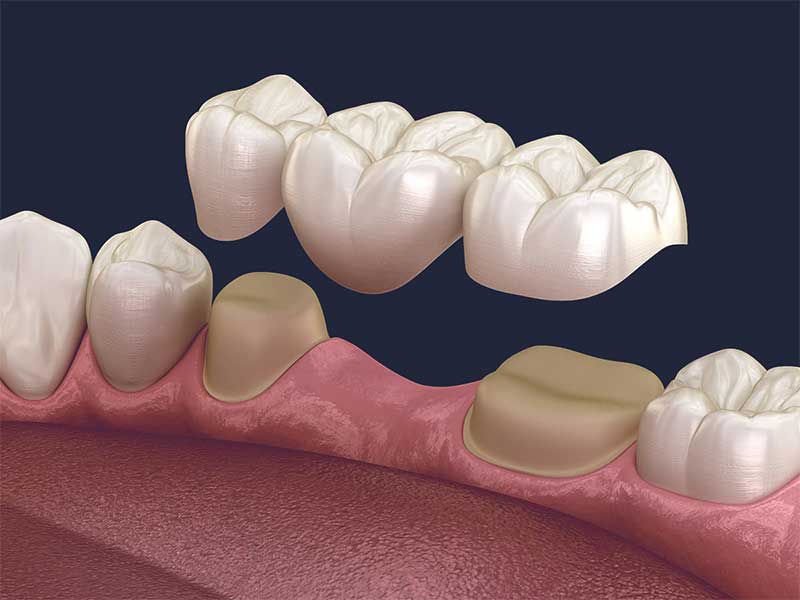
All-on-4 vs All-on-6 Dental Implants in Turkey: Which Is Right for You?

All-on-4 vs All-on-6 Dental Implants in Turkey: Which Is Right for You?

All-on-4 vs All-on-6 Dental Implants in Turkey: Which Is Right for You?

People end up on this page for a specific reason. The teeth situation has reached a point where something has to change, single implants are either too expensive or too slow, and the question now is which of the two full-arch options is actually going to work for their jaw.

Both solve the same underlying problem. A mouth that is missing most or all of its teeth in one arch gets a complete fixed set of teeth sitting on implants. Not removable. Not a denture that slides around. Actual teeth that stay in, function normally, and are maintained just like natural ones.

Where they differ is in the number of implants, how those implants are positioned, and what that means for patients with different amounts of remaining bone. Getting that distinction right matters more than the name of the procedure.

All-on-4 vs All-on-6 dental implants Turkey comparison
All-on-4 and All-on-6 solve the same problem differently. The right choice depends on your bone anatomy, not a preference.
Free Consultation
Not Sure Which Option Is Right for Your Jaw?
Send us your X-rays. We will tell you what we recommend and why.

What All-on-4 Actually Means

The name refers to four implants supporting a complete arch of teeth. Two go in at the front of the jaw in a vertical position. Two go in toward the back, angled at around 45 degrees. That angling is the design feature that makes the whole system work. The tilted posterior implants avoid the areas where bone tends to be thinnest after years of tooth loss, allowing the procedure to work in jaws that would not have enough bone for straightforward vertical implants.

The result is a fixed bridge of twelve to fourteen teeth sitting on four anchor points. It is not removable. It is cleaned and maintained like natural teeth. It looks and functions like a natural arch.

The system took off not because four is some magic number but because the angled rear implants solved a problem that had been blocking a lot of patients from treatment altogether. Once teeth have been missing for long enough, the bone beneath them shrinks. That bone loss had previously meant extensive grafting before any implants could go in, which added months and significant cost to an already expensive process. By positioning the rear implants at an angle, surgeons could reach denser bone further back in the jaw, bypassing the areas that had thinned out. All on 4 Implant treatment made full-arch reconstruction possible for patients who would not have qualified under the older approach.

What All-on-6 Actually Means

Six implants follow the same logic as four, just with two more anchor points added into the premolar region. The arch that sits on top looks and functions the same way. What changes is how the biting load gets distributed.

When a patient has adequate bone volume across the whole jaw, placing six implants in well-chosen positions spreads that load more evenly. Each implant takes on a smaller share of the force generated when chewing. Whether that translates into a meaningfully better long-term outcome depends on the specific anatomy and how the patient uses their teeth. For the upper jaw in particular, where bone density is naturally lower than in the lower jaw, All on 6 Implant treatment gives surgeons more to work with structurally.

The extra implants are not automatically better. If the bone in those additional positions is poor quality, placing implants there adds cost and surgical time without adding structural benefit. The decision has to be based on what the CT scan actually shows, not on a general preference for more over fewer.

The Numbers: What Each Option Costs in Turkey in 2026

Both procedures are significantly less expensive in Turkey than in Western Europe or North America. The difference is not marginal. It is the kind of difference that changes whether the treatment is financially possible at all for many patients.

TreatmentTurkey 2026UKGermany
All-on-4 single arch£3,500 – £5,500£12,000 – £18,000€11,000 – €16,000
All-on-6 single arch£4,500 – £7,000£15,000 – £22,000€14,000 – €20,000
All-on-4 both arches£7,000 – £11,000£24,000 – £36,000€22,000 – €32,000
All-on-6 both arches£9,000 – £14,000£30,000 – £44,000€28,000 – €40,000

That £1,000 to £1,500 gap per arch between the two procedures looks different depending on where you are comparing it to. Against UK or German pricing, it barely registers. Against the total trip cost of coming to Antalya, it is a meaningful but manageable increment for patients whose bone situation supports six implants.

What Actually Determines Which One You Need

Bone volume and density
All-on-4 was specifically designed for patients with reduced bone volume. The angled posterior implants reach areas of denser bone that are still available even after significant bone loss. If your bone has thinned significantly, which happens over years when teeth are missing, All-on-4 is often not just the cheaper option but the clinically appropriate one. There may simply not be adequate bone to safely place six implants in optimal positions. If your bone volume is good across the full arch, All-on-6 becomes a genuine option and may produce a more stable long-term result.
Which arch is being treated
Upper and lower jaws behave differently. The upper jaw has less dense bone by nature, and full-arch reconstructions there are generally more demanding than in the lower jaw. Many experienced implant surgeons prefer All-on-6 for the upper arch when bone allows, precisely because of that lower natural density. For the lower jaw, All-on-4 tends to perform extremely well, and the bone conditions are often such that the extra implants of All-on-6 would not meaningfully change the outcome.
How long teeth have been missing
Years of wearing dentures do something to the jaw that patients often do not fully appreciate until the scans come back. Without tooth roots pressing into the bone, the body gradually reabsorbs it. Someone who lost their teeth five years ago is starting from a very different position than someone who has been in dentures for twelve years. The longer the gap, the more bone has gone, and the more that shapes which procedure is appropriate. In cases where the resorption has been severe, neither version of the full-arch approach works without preparatory work first.
General health
Medical history affects surgical decisions more than many patients realise. Diabetes, osteoporosis, blood thinners, a history of radiation to the jaw area. None of these are automatic disqualifiers, but all of them change how the surgery is planned and how healing is managed afterwards. Disclosing everything during the pre-consultation is not a formality. It is the information the surgeon needs to plan the case correctly.
Structure of dental implants All-on-4 All-on-6 Turkey
The structure of a full-arch implant restoration showing how the prosthesis connects to the implant posts in the jawbone.

All-on-4 in Practice: What the Treatment Week Looks Like

Arriving in Antalya for an All-on-4 case, the first appointment is usually the assessment. CT scan, photographs, treatment plan. Day two is typically surgery. The four implants go in, and by the time you leave the chair, a temporary arch of teeth is already attached. Walking out of a surgery session with teeth in your mouth, having arrived without a full set, is the thing patients talk about most when they describe the experience.

That temporary set stays in place for the months it takes for the implant posts to bond with the surrounding bone. The permanent prosthesis comes on a second trip, usually somewhere between three and six months later depending on how the integration has progressed.

All-on-6 in Practice: What Changes and What Stays the Same

The treatment week for All-on-6 runs along the same lines. A longer surgical session because there are more implants to place, but the recovery days, the follow-up check, and the flight home all happen on roughly the same schedule. The same-day temporary arch applies here too. The difference in what the patient experiences day to day is minimal. The distinction is in what was decided during the planning phase, based on what the scans showed was actually available to work with.

Getting Dental Implants in Turkey: What the Full Process Looks Like

Dental Implants in Turkey draw patients from across Europe primarily because of the cost. What keeps them coming back, and what drives most referrals, is the way the process is managed around a fixed timeline. Patients flying in from the UK, Germany, the Netherlands, or France need everything to run on a schedule they can plan their lives around. The established clinics in Antalya have been handling exactly this for long enough that the coordination is genuinely smooth. Airport pickup, hotel, appointments, aftercare contact. A second trip for the permanent prosthesis is booked months in advance once the osseointegration period is underway, and by the time it arrives most patients treat it like a short holiday with a dental appointment attached.

How to Ask the Right Questions Before Booking

Before you agree to anything with any clinic, a handful of questions will tell you more about how they operate than anything on their website.

Ask what your CT scan shows specifically about bone volume in the positions where implants would go. If a clinic is willing to recommend All-on-4 or All-on-6 without having reviewed your imaging, they are not basing the recommendation on your actual anatomy.

Ask which implant brand and system they use. Straumann, Nobel Biocare, Osstem are the names with long track records and global parts availability. A clinic that cannot or will not name a brand is telling you something.

Ask what the temporary arch is made from and how it is attached. You will be wearing it for several months. The quality of that temporary matters.

Ask whether bone grafting would be included in the quoted price if the scan shows it is needed. The answer distinguishes clinics that have properly assessed your case from those quoting a number they expect to revise later.

Ask how the second visit for the permanent prosthesis is handled and whether it is part of the original package.

Frequently Asked Questions

Is All-on-4 or All-on-6 better?
Neither is categorically better. All-on-4 is specifically designed for patients with reduced bone volume. It works around bone loss rather than requiring it to be rebuilt. All-on-6 is appropriate when adequate bone exists across the full arch and the additional anchor points will meaningfully improve load distribution. The right choice is determined by your CT scan, not by preference.
Can I have All-on-6 if I have been wearing dentures for years?
Possibly, but long-term denture wear typically causes significant bone resorption, which may mean All-on-4 is more appropriate. In advanced cases, preparatory bone grafting before any arch implant procedure may be required. A CT scan will show the actual bone situation clearly.
How long does the treatment take from start to permanent teeth?
The full process, first trip for surgery, osseointegration period, second trip for permanent prosthesis, typically takes four to six months. The first trip is six to seven days. The second trip is three to four days.
Is same-day teeth possible with All-on-4 and All-on-6?
Yes. In most cases, temporary teeth are fitted on the day of surgery. You do not leave with empty gums. The same-day arch is temporary. The permanent prosthesis comes later, after osseointegration.
What if I need bone grafting first?
Minor grafting can sometimes be done at the same appointment as implant placement. Significant bone loss may require a separate grafting procedure before implants can be placed, which adds time and cost. This will be visible on the CT scan and should be part of the treatment plan discussion before you book.
How long do All-on-4 and All-on-6 restorations last?
With proper maintenance, the implants themselves are designed to be permanent. The prosthetic arch typically lasts ten to fifteen years before needing replacement or significant refurbishment. Maintenance habits and regular check-ups affect longevity more than which procedure was used.
What happens if one implant fails?
Implant failure is uncommon but not impossible. A well-designed full-arch case accounts for this. The prosthesis is not immediately compromised if one implant does not fully integrate. Reputable clinics have clear protocols for managing this scenario. Ask specifically what their approach is before you commit.
Free Consultation

Request a Callback

We will call you back within 2 hours during clinic hours.

WhatsApp
Thank you. We will be in touch shortly.
A confirmation has been sent to info@turkeydentalclinic.com
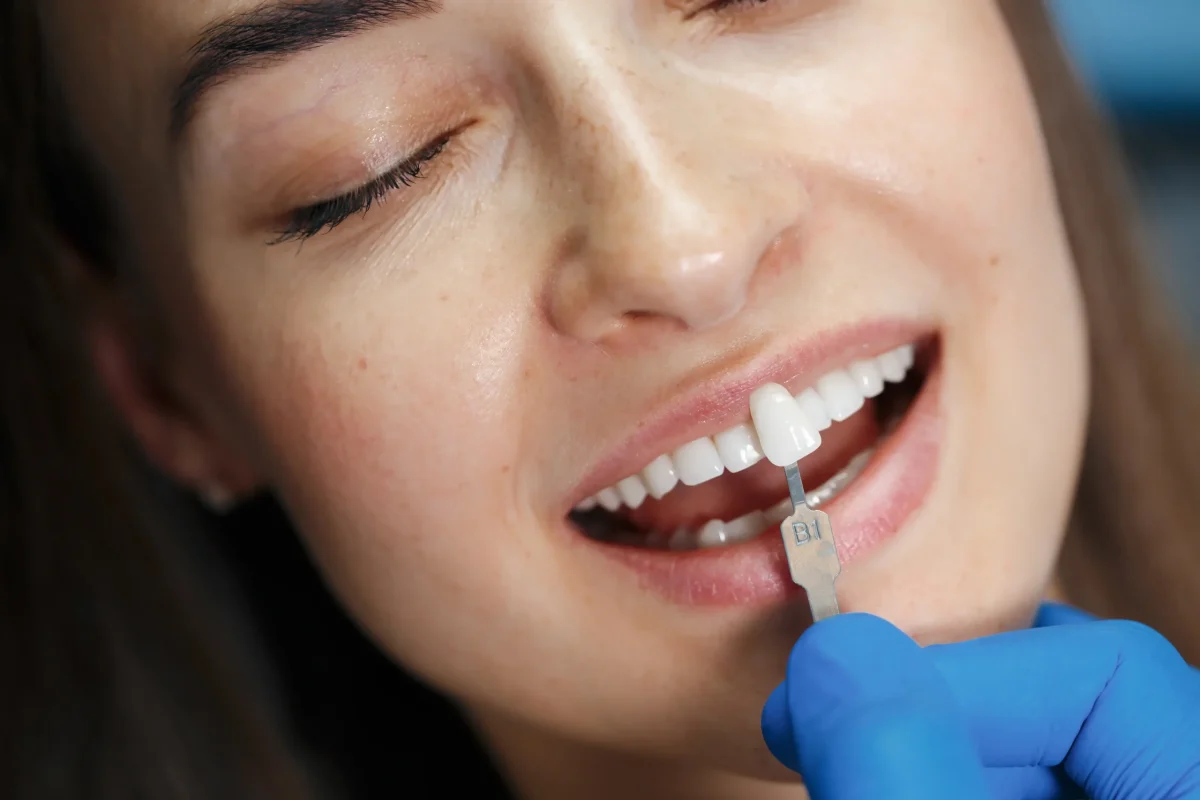
Turkey Veneers in 2026: Is E-max Worth the Extra Cost Over Zirconium?

Turkey Veneers in 2026: Is E-max Worth the Extra Cost Over Zirconium?

Turkey Veneers in 2026: Is E-max Worth the Extra Cost Over Zirconium?

People landing on this page have usually already made the bigger decision. Turkey, yes. Veneers, yes. The thing holding them up is the material question, and it turns out to be harder to answer than they expected.

Clinic websites do not help much. Scroll through enough of them and you start to notice a pattern — each one tends to champion whichever material they happen to prefer, with before and after photos selected to make that choice look like the obvious one. The actual comparison, the one that would help you figure out which material suits your specific teeth, rarely gets written down anywhere.

Free Consultation
Not Sure Which Material Is Right for You?
Send us a photo. We will tell you what we recommend and why.

What E-max Actually Is

The full name is IPS e.max, a lithium disilicate glass-ceramic produced by a Swiss company called Ivoclar Vivadent. It has been around long enough that dental labs have a detailed picture of how it performs across different clinical situations. Ceramists who use it regularly have strong opinions about what it can and cannot do.

What brought it into cosmetic dentistry is something that sounds simple but is surprisingly hard to replicate in a manufactured material: the way it handles light. A living tooth is not a solid block of white. It is semi-translucent. Photons enter through the enamel surface, interact with the internal layers, and scatter back out in a way that creates depth and warmth. That optical behaviour is why natural teeth look alive in ways that poorly done cosmetic work does not. E-max comes closer to reproducing it than most other dental ceramics because its translucency properties sit within a range that mirrors natural enamel. Under direct light, a veneer made from it reads as part of the tooth rather than something placed on top of it.

It can also be made very thin. Some E-max veneers are under half a millimetre thick. That matters because it means less of the natural tooth needs to be shaved away to accommodate the veneer. For patients who want a conservative approach that preserves as much original tooth as possible, that thin profile is a real clinical advantage.

E-max veneers Turkey - natural translucency result
E-max veneers reproduce the light-scattering behaviour of natural enamel better than most other dental ceramics.

What Zirconium Actually Is

Zirconium dioxide started its life well outside dentistry. It was used in industrial ceramics, cutting tools, and aerospace components before someone realised that a material this strong and this biocompatible had obvious dental applications. It entered restorative dentistry primarily because of one characteristic: nothing breaks it under normal bite forces.

For patients who clench, grind, or simply have a heavy bite, that matters enormously. A back tooth crown made from zirconium will outlast almost any other ceramic option. The material does not chip. It does not fracture. It handles the kind of sustained pressure that would eventually compromise a more delicate ceramic.

The early knock against zirconium was that it looked dead. Dense, uniform, slightly chalky. That criticism had real basis at the time — older formulations of the material had very low light transmission and the results showed it. The situation has changed substantially. High-translucency zirconium is a different product to what was available a decade ago. Light passes through it, shade gradients are achievable, and most patients looking at a well-made zirconium veneer in a social setting cannot identify it as dental work. The gap between zirconium and E-max in optical terms has narrowed, though it has not closed completely.

The Price Difference and What Drives It

The per-tooth cost difference between E-max and zirconium in Turkey is not large. At Dental Clinic Turkey, E-max veneers cost somewhere between £50 and £75 more per tooth than zirconium. Across a full upper arch of ten teeth that adds up to £500 to £750 extra in total.

That gap reflects two things: the raw material cost and the lab hours. Getting the translucency gradient right in E-max is skilled, time-consuming work. A ceramist who has done it for years can produce a result that genuinely looks like natural enamel. One who has not produces something that looks like a good veneer but not quite a natural tooth. The material enables the result; the ceramist has to execute it.

Where E-max Wins and Where It Does Not

E-max performs best on the upper front six to eight teeth — the ones that are visible when you speak and smile in natural light. This is where its translucency makes the biggest difference. If your main concern is that veneers will look obviously artificial, E-max is the more forgiving choice because its optical behaviour gives it a natural depth that standard porcelain and even good zirconium cannot fully replicate.

It does not perform as well under sustained bite pressure. The same translucency that makes it beautiful comes at a cost: it is less dense than zirconium, and that lower density means lower fracture resistance. Patients who grind their teeth at night, who have a heavy bite pattern, or who need veneers on back teeth where chewing forces are highest are putting E-max in conditions it was not designed for. Fractures happen. Not frequently, but often enough that recommending E-max for high-stress positions is something careful clinicians avoid.

Where Zirconium Wins and Where It Does Not

Zirconium handles pressure. Full stop. For any position in the mouth where the restoration will take significant force — back teeth, patients with bruxism, cases where the bite is on the heavy side — zirconium is the safer choice because it simply will not break under normal clinical conditions. Zirconium Crowns are also the standard recommendation for implant crowns and bridges where structural integrity matters more than fine optical detail.

Sit a well-made zirconium veneer next to an untouched natural tooth in strong natural light and a trained eye will notice a difference. The optical character is slightly different. Not dramatically so, not in a way that reads as obviously artificial to most observers — but different. Whether that matters to a specific patient depends on how closely they examine their own smile, what their social and professional context is, and what the adjacent teeth look like. Some patients see the result and never give it another thought. Others, particularly those who spend time in photography or work in environments with critical close-up scrutiny, find the difference meaningful.

The Combination Approach and Why It Makes Sense

The recommendation that comes up most consistently from experienced cosmetic dentists is to use both. E-max on the upper front teeth where aesthetics are the priority, zirconium on the back teeth and on any position where bite forces are significant. Porcelain Veneers in the front aesthetic zone give you the natural depth; zirconium in the posterior zone gives you the longevity.

This combination is not a compromise. It is a clinically appropriate use of each material where it performs best. A full-arch treatment that uses only E-max everywhere is actually the compromise — trading durability for aesthetics in positions where durability should have won. A treatment that uses only zirconium everywhere is also a compromise — accepting slightly lower aesthetic quality in positions where the difference would have been noticeable.

The combination approach costs a little more to plan and execute because it requires the dentist and ceramist to work across two material systems. But the total cost increase is modest, and the result is better than either single-material approach would produce.

What Your Teeth Actually Look Like Matters More Than Material Choice

There is a point in this comparison where the material discussion becomes secondary to a more fundamental question: what is the starting condition of the teeth being treated? A patient with healthy, minimally discoloured teeth who wants mild cosmetic improvement is a very different clinical situation from a patient with heavily stained, cracked, or structurally compromised teeth who needs full coverage.

For the first patient, E-max veneers with minimal preparation make obvious sense. The treatment is conservative, the result is natural, and the material's thin profile means preserving more of the original tooth.

For the second patient, the amount of preparation required to address the structural issues may mean that a veneer approach is not appropriate at all and that full crowns — almost certainly zirconium — are the right clinical answer. No amount of preference for E-max changes what the tooth actually needs.

This is why the material conversation only becomes useful after a proper clinical assessment. A clinic that gives you a definitive E-max or zirconium recommendation before looking at your X-rays and photographs is telling you what you want to hear rather than what your teeth actually require.

The Honest Comparison: E-max vs Zirconium at a Glance

Choose E-max when:

  • Upper front teeth are being treated
  • Natural translucency is the priority
  • Normal bite, no grinding history
  • Teeth are healthy enough for thin veneers
  • Photography or close scrutiny matters

Choose Zirconium when:

  • Back teeth or implant crowns involved
  • Patient grinds or has heavy bite
  • Teeth have structural damage
  • Full coverage crowns are required
  • Maximum durability is the priority

The full E-max vs Zirconia breakdown on the clinic's treatment pages goes into the technical specifications if you want more detail on the material science side.

What This Means for Your Trip to Turkey

Both E-max and zirconium go through the same clinical process. The appointment structure is identical: assessment, preparation, scan or impression, temporaries, then final fitting. A standard veneer case in Antalya runs five to six days regardless of which material you choose.

What the material choice does affect is what happens inside the lab. E-max is less forgiving than zirconium at the ceramist stage. The translucency that makes it worth choosing has to be built deliberately into the restoration — the right internal shading, the right surface texture, the right thickness profile. A ceramist who does this work every day knows how to get there. One who does it occasionally will produce results that vary, and that variability shows up in E-max more than in zirconium because the margin for error is smaller.

So when you are comparing clinics and the price for E-max is meaningfully lower than everywhere else, the question worth asking is: where is that saving coming from? If the answer involves an outsourced lab or a ceramist with limited E-max experience, the material premium you think you are paying for is not actually what you are getting. Ask whether the lab is on-site. Ask how long the ceramist has worked specifically with E-max. The answers matter more than most patients realise.

Frequently Asked Questions

How much more does E-max cost compared to zirconium in Turkey?
At quality clinics in Antalya, E-max veneers typically cost £50 to £75 more per tooth than zirconium. Across a full set of ten veneers, the additional cost is usually £500 to £750. Whether that is worthwhile depends on where the veneers are placed and how important fine aesthetic detail is to you.
Can E-max veneers be placed on back teeth?
Technically yes, but most experienced cosmetic dentists would not recommend it for high-bite-force positions. E-max is not as fracture-resistant as zirconium and back teeth endure significantly more pressure than front teeth. The risk of fracture is low but meaningful enough that zirconium is the standard recommendation for posterior work.
Will zirconium veneers look artificial?
Modern high-translucency zirconium looks very good on most patients. Whether it looks artificial depends on the quality of the ceramist, the shade selection, and how critical the viewer is. In most social situations and under most lighting conditions, well-made zirconium veneers are indistinguishable from natural teeth. Under close clinical scrutiny they lack the optical complexity of E-max, but that level of scrutiny is not how most people view a smile.
How long does each material last?
E-max veneers last ten to fifteen years on average with good care. Zirconium crowns and veneers often last longer because the material is harder to chip or fracture. In both cases, longevity is more affected by maintenance habits and whether a nightguard is worn by patients who grind than by the material itself.
Which material looks better in photos?
E-max tends to photograph better because its translucency responds to camera flash and natural light in a way that looks closer to natural teeth. Zirconium can sometimes appear slightly brighter and more uniform in photographs, which reads as more obviously dental to careful observers. For patients whose appearance in photographs matters — social media, professional headshots — E-max is the slightly stronger choice for the front teeth.
Do I need to decide before I arrive?
Not necessarily. Most clinics that regularly treat international patients will have this conversation with you at the consultation appointment, after reviewing your X-rays and photographs. Some patients arrive with a preference and leave with the same one. Others revise their thinking after seeing the clinical picture. Either is fine — the material is specified before lab work begins, not before you book the flight.
Free Consultation

Request a Callback

We will call you back within 2 hours during clinic hours.

WhatsApp
Thank you. We will be in touch shortly.
A confirmation has been sent to info@turkeydentalclinic.com
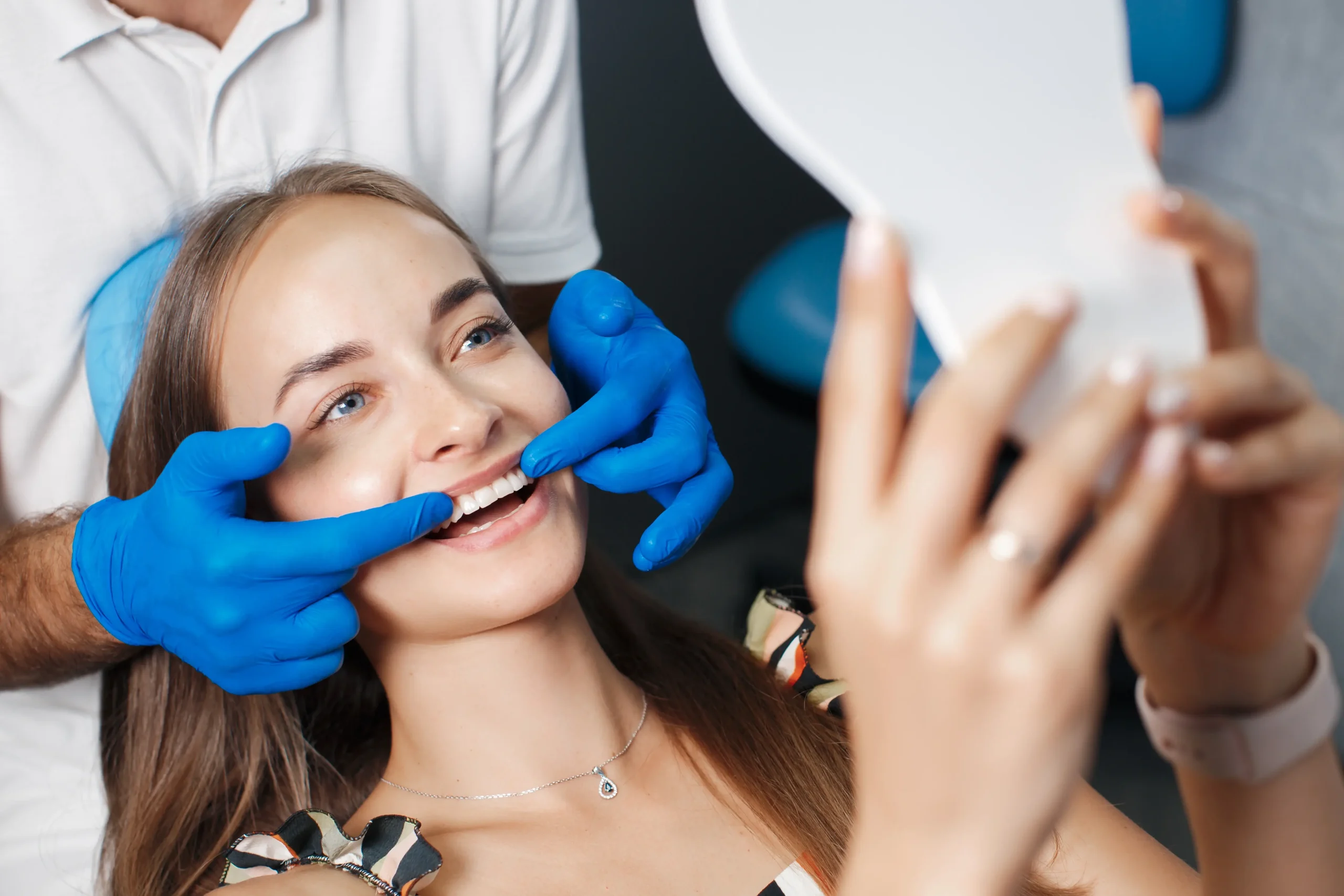
Turkey Dental Implant Cost in 2026: What You Actually Pay (Full Breakdown)

Turkey Dental Implant Cost in 2026: What You Actually Pay (Full Breakdown)

Turkey Dental Implant Cost in 2026: What You Actually Pay (Full Breakdown)

Search for dental implant prices in Turkey and within about thirty seconds you have five different numbers in front of you. Some are so low they seem impossible. Others look like they were copied from a UK clinic's website with a discount applied. Almost none of them tell you what is actually in the price, which is the only thing that would make the numbers useful.

So here is what this guide does instead. It takes each type of implant case — single tooth, multiple teeth, full arch — and works through what the realistic cost looks like in 2026, what a properly structured quote should cover, and where patients tend to find unexpected costs appearing after they thought everything was sorted.

Turkey Dental Implant Cost in 2026
Understanding what each implant quote actually includes is the most important step before booking.
Free Consultation
Get Your Personal Implant Quote Today
No commitment. We reply within 1 hour.

Why the Price Is So Different in Turkey

There is a version of this answer that sounds like marketing and a version that is just economics. The economics version is more useful.

Renting a clinic in Antalya costs a fraction of what the same square footage costs in central London or Munich. Dental technicians, coordinators, and support staff are paid local wages. These are not small differences — combined, they represent a significant chunk of what goes into the final price a patient pays. The clinical side of things, the actual materials and equipment used in surgery, is a different story. Straumann, Nobel Biocare, Osstem — these companies have distribution networks that reach Turkey just as they reach Germany. The implant that goes into your jaw came off the same production line regardless of which country it was shipped to.

So what you are paying less for in Turkey is not the implant or the X-ray machine. It is everything around those things. The result is a bill that looks startling to patients accustomed to UK or German pricing, and one that takes a bit of explanation to fully trust.

The Core Numbers: What Dental Implants Cost in Turkey in 2026

The table below reflects 2026 pricing at established clinics in Antalya that regularly treat international patients. These are not the lowest quotes available — those exist but are not worth chasing — and they are not the most premium options either. They represent what a well-prepared patient should realistically expect to pay at a clinic that takes its work seriously.

TreatmentTurkey 2026UKGermany
Single implant + standard crown£500 – £750£2,000 – £3,000€1,800 – €2,800
Single implant + E-max/zirconium crown£650 – £900£2,500 – £3,500€2,200 – €3,500
Implant + minor bone graft£800 – £1,200£2,800 – £4,000€2,500 – €3,800
All-on-4 single arch£3,500 – £5,500£12,000 – £18,000€11,000 – €16,000
All-on-6 single arch£4,500 – £7,000£15,000 – £22,000€14,000 – €20,000
Full mouth, both arches All-on-4£7,000 – £11,000£24,000 – £36,000€22,000 – €32,000

For a single implant, the saving is substantial. For full arch work, it is genuinely life-changing for some patients. People who had resigned themselves to dentures because the implant cost at home was out of reach find that the Turkish price brings it back within reach. That is not a minor detail.

What These Prices Include and What They Do Not

Two clinics can quote you for the same tooth and the numbers can look completely different without either of them being dishonest. One might be pricing the implant post alone. The other might be pricing everything from the airport pickup to the final crown fitting. That gap is not about quality or trustworthiness. It is about what each clinic decided to put in the quote.

Getting clarity on this before you agree to anything saves a lot of frustration later. At a clinic experienced with international patients, a properly built package typically covers the implant post, the abutment that connects it to the crown, the crown itself, all clinical appointments during your stay, panoramic X-rays, and a CT scan where the planning requires one. Airport collection is included at most established Antalya clinics, and many have hotel arrangements they can make on your behalf.

Where gaps tend to appear: bone grafting when your scan shows it is needed, sinus lift procedures for certain upper jaw positions, temporary restorations if your case requires a staged approach over multiple months, and extractions of any remaining teeth that need to come out before placement can begin. None of these appear in every case. Plenty of patients go through the whole process without needing any of them. But they are common enough that assuming they will not come up without checking is the kind of thing that turns a well-budgeted trip into a stressful one.

The clearest way to protect yourself is to ask, before signing anything: if my scan shows I need a bone graft, is that in this price? The answer to that one question tells you more about how a clinic operates than most of the marketing on their website.

The Variables That Move Your Price Up or Down

Implant brand
The difference between a budget implant system and a premium one — Straumann, Nobel Biocare, Osstem — is not enormous in Turkish pricing terms, but it is real. Brand-name implants come with documented clinical data, standardised components, and global support networks that matter if you ever need follow-up work in a different country. The price premium in Turkey is usually £100 to £200 per implant.
Crown material
A zirconium crown is more durable and more opaque. An E-max crown is more translucent and looks more like a natural tooth in direct light. For back teeth, zirconium is almost always the right choice. For front teeth, E-max tends to produce a more aesthetic result. Specify which you are getting before the lab starts work.
Bone condition
A tooth missing for several years tends to leave a narrower bone ridge beneath it. Minor grafts can be done at the same time as the implant and add a few hundred pounds. A sinus lift for upper jaw implants is a separate procedure and can add £400 to £900.
Number of implants
Placing three implants does not cost three times as much as placing one — there is economy of scale in surgical time and setup. But the total still increases, and at some point the full-arch solutions become the more sensible framing for the whole treatment.
Package contents
A clinic offering a low per-implant price may not include the crown, the abutment, or follow-up appointments. A clinic offering a higher all-in price may cover hotel transfers, temporary restorations, and full aftercare. Comparing quotes without adjusting for what is included produces misleading conclusions.

All-on-4 and All-on-6: When the Full Arch Option Makes Financial Sense

For patients missing most or all of their teeth in one arch, individual implants per tooth stop being the most efficient solution. The All on 4 Implant approach uses four strategically angled implants to support a fixed full-arch prosthesis. It eliminates the need for an implant at every missing tooth position and often avoids the need for bone grafting because the posterior implants are angled to avoid areas of bone loss.

The clinical logic is sound and well-documented. Four implants can support a twelve to fourteen tooth fixed bridge because the load is distributed across a longer span than individual implants bear. Patients who are suitable candidates — most people with significant tooth loss and reasonable overall health — get a result that is fixed, looks natural, and is maintained just like natural teeth.

In Turkey, a single arch All-on-4 currently costs between £3,500 and £5,500. At home in the UK, the same treatment runs between £12,000 and £18,000 at a private clinic. For patients needing both arches treated, the Turkish cost for the full treatment often comes in lower than a single arch would at home.

Dental Implants in Antalya: What the Trip Actually Costs

The implant is one part of what you spend. Getting there and back is another, and it deserves an honest accounting rather than being ignored in the comparison.

Flights between the UK and Antalya in 2026 run between £80 and £220 return depending on when you travel and how far ahead you book. The route is well-served year round. From Germany, Austria, the Netherlands, and Belgium the picture is similar — Antalya is a popular enough destination that competition keeps fares reasonable most of the year.

Dental Implants in Antalya are served by a mature infrastructure built specifically around international patients. Most clinics have hotel partnerships and will arrange your accommodation directly. A comfortable hotel within easy reach of the treatment centre costs between £40 and £90 per night. A six-night stay covers the typical single-implant timeline comfortably.

Food, local transport, and incidental spending adds another £150 to £300 for the week.

Full trip estimate — single implant case

Return flights (Europe to Antalya)£80 – £220
Hotel, 6 nights£240 – £540
Dental treatment (single implant)£500 – £900
Food and spending£150 – £300
Total estimate£970 – £1,960

Even at the top of that range, the combined total sits well below what the same implant costs at a UK private clinic before you have even thought about getting on a plane.

The Dental Implant Turkey Price Across Different Cities

Antalya handles the largest share of international dental patients among Turkish cities, but Istanbul and Izmir both have well-established clinics serving the same market. Prices in Istanbul typically run a little higher — the operating costs of a city that size push things up — but the difference on a single implant is usually somewhere between £50 and £150. Not negligible, but rarely the deciding factor.

The more relevant variable when comparing across cities is what a specific clinic includes in its quote and how it handles cases that turn out to need more work than the initial assessment suggested. A clinic that has thought carefully about patient care in Antalya will produce a better experience than one that has not, regardless of the city either of them is in.

Checking the Dental Implant Turkey Price across cities before you book is sensible but should not be the main focus. Antalya works well for treatment trips partly because the logistics are straightforward. Direct flights from most European countries run year-round. The city is compact enough that getting between the hotel, the clinic, and the seafront does not require much planning. For patients who want to spend their recovery days somewhere pleasant rather than somewhere merely convenient, the coastline is genuinely good.

How to Read a Quote and Recognise the Ones Worth Ignoring

A quote prepared on the basis of your actual clinical information — X-rays reviewed, case assessed, specific treatment scope outlined — looks different from a quote generated from a general enquiry form within the hour.

The first will name the implant brand. It will specify the crown material. It will tell you whether the abutment is in the price. It will address what happens if bone grafting is required. It will list which appointments are included.

The second is a floor price, often designed to capture the enquiry and revise upward once you are committed. Not every clinic that quotes quickly is doing this — some are simply efficient — but a quote that does not reflect any knowledge of your actual jaw should not be treated as a firm price.

The simplest screen: ask them what implant brand they use and whether the crown is in the price. If the answer to either is vague, the quote is probably not worth comparing to ones from clinics that have done their homework.

What Often Gets Added After the Initial Quote

Bone grafting is the most common surprise. Minor grafts add £200 to £500. Sinus lifts add £400 to £900. Neither is inevitable — plenty of patients need no grafting at all — but the probability is high enough that it is worth asking about before you budget.

Extractions, when required before implants can be placed, add £50 to £150 each for straightforward cases and more for surgical ones.

Temporary restorations for two-stage treatments — the period between implant placement and the final crown — add £100 to £300 depending on what is required.

A return trip for two-stage cases, three to six months after the original placement, adds another set of flights and accommodation. Budget £400 to £700 for a short return visit.

Frequently Asked Questions

What does a single dental implant typically cost in Turkey in 2026?
At an established clinic in Antalya, a complete single implant with a zirconium or E-max crown typically costs between £500 and £900. That usually covers the post, abutment, crown, and clinical appointments during your stay. Bone grafting, if your scan shows it is needed, is almost always priced separately.
Why do some quotes look so much lower than others?
The ones at the very low end usually do not include the crown, use budget implant systems with limited track records, or are floor prices that get revised once the clinic has your X-rays. Comparing quotes without knowing what each includes is not a useful exercise.
Does a better implant brand cost noticeably more in Turkey?
The premium for a recognised brand — Straumann, Nobel Biocare — over a budget system is usually £100 to £200 per implant. For most patients, paying it is worthwhile because the clinical track record and component standardisation of premium brands matters if the implant ever needs follow-up work in a different country.
Can I have the whole thing done in one trip?
For single implants in patients with good bone density, yes — immediate loading allows the crown to be placed shortly after the post, and the whole process fits into five to seven days. Two-stage cases and complex full-arch restorations often require a second trip three to six months later.
What do I do if something needs attention after I get home?
Get your full clinical notes before you leave — implant brand, model number, dimensions, everything the clinic did. Any qualified implant dentist at home can work from that documentation without needing to start from scratch.
Is bone grafting always needed?
No. Whether you need it depends on how long the tooth has been missing, your bone density, and where in the jaw the implant is going. A CT scan before planning begins gives a clear answer.
Is it realistic to also see something of Antalya while you are there?
The surgery day is a rest day. The days around it are not. Most patients have two or three days with no clinical obligations, and Antalya's old town and coastline are both genuinely worth the time.
Free Consultation

Request a Callback

We will call you back within 2 hours during clinic hours.

WhatsApp
Thank you. We will be in touch shortly.
A confirmation has been sent to info@turkeydentalclinic.com