

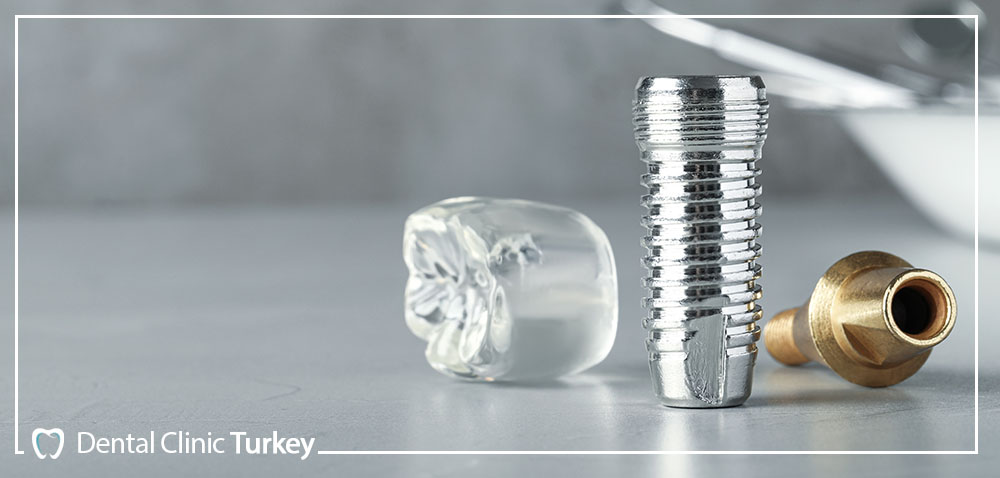
Dental implants are often hailed as the “gold standard” for tooth replacement. However, life happens. Whether due to medical complications, implant failure, or a change in personal preference, many patients find themselves asking: “Can I actually take my dental implants out and go back to traditional dentures?”
The short answer is yes, but the process is more nuanced than simply “swapping” one for the other. Here is everything you need to know about transitioning from implants back to dentures.
Why Would Someone Replace Implants with Dentures?
While dental implants have a success rate of over 95%, there are specific scenarios where a patient might consider a transition:
Peri-implantitis: A form of gum disease that causes infection around the implant, leading to bone loss and instability.
Implant Failure: When the titanium post fails to fuse with the jawbone (osseointegration).
Medical Changes: Certain health conditions or treatments (like radiation therapy or uncontrolled diabetes) can make maintaining implants difficult.
Financial Constraints: Maintaining complex “All-on-4” bridges or repairing multiple failed implants can become costly over time.
Comfort Preferences: Some patients find that their specific jaw structure feels more “natural” with a well-fitted removable prosthetic.
The Process: How Implants are Removed
Removing a dental implant is a surgical procedure. Unlike a tooth extraction, the implant is fused to your bone.
Assessment: Using 3D CT scans, your dentist determines how much bone is attached to the implant.
Removal: If the implant is loose, it is easily removed. If it is still integrated, a specialized tool (a piezo-electric device or a small bur) is used to gently “un-thread” or cut the implant away from the bone with minimal trauma.
Bone Grafting: In many cases, removing an implant leaves a “void” in the jawbone. To support a future denture, your dentist may need to perform a bone graft to keep the jaw ridge strong.
Transitioning to Dentures: What to Expect
Once the implants are removed and the site has healed (usually 8 to 12 weeks), the process for creating dentures begins.
1. Custom Impressions
Your dentist will take a mold of your healing gums. Because implants help preserve bone, their removal might cause the jawbone to shrink slightly. Precision in these impressions is vital to ensure the denture doesn’t slip.
2. The Fit Factor
Traditional dentures rely on suction and the shape of your boney ridge. If you have lost significant bone due to the failed implants, you may need to use denture adhesives or consider “mini-dentures” for added stability.
3. Speech and Eating
There is a learning curve. Implants are fixed and feel like natural teeth; dentures are removable and sit on top of the gums. It may take a few weeks to regain your full speech clarity and chewing confidence.
The Pros and Cons of Making the Switch
The Benefits:
Easier Hygiene: You can remove the teeth to clean them thoroughly, which is helpful for patients with limited manual dexterity.
No Further Surgery: Once the implants are gone, you won’t need invasive procedures if the denture needs replacing.
Lower Long-term Costs: Dentures are generally cheaper to repair or replace than full-arch implant bridges.
The Challenges:
Bone Loss: Without implants to stimulate the bone, the jaw will naturally recede over time.
Stability: Dentures can shift while talking or eating, unlike the “rock-solid” feel of implants.
Taste Perception: Full upper dentures cover the palate, which can slightly reduce your ability to taste food.
Is There a Middle Ground?
If you are unhappy with your implants because they are hard to clean, but you hate the idea of a “loose” denture, consider Overdentures (Snap-on Dentures).
This hybrid solution uses 2 or 4 implants to “snap” a denture into place. It combines the easy cleaning of a denture with the stability of an implant, often providing the best of both worlds.
Final Thoughts
Removing dental implants and replacing them with dentures is a major decision that requires a specialized surgical approach. If you are experiencing discomfort or are unhappy with your current dental work in Antalya, our team can provide a full digital diagnostic to see if a “switch” is the right move for your oral health and lifestyle.
Contact us today for a consultation. Let’s find the solution that makes you smile again.