


People end up on this page for a specific reason. The teeth situation has reached a point where something has to change, single implants are either too expensive or too slow, and the question now is which of the two full-arch options is actually going to work for their jaw.
Both solve the same underlying problem. A mouth that is missing most or all of its teeth in one arch gets a complete fixed set of teeth sitting on implants. Not removable. Not a denture that slides around. Actual teeth that stay in, function normally, and are maintained just like natural ones.
Where they differ is in the number of implants, how those implants are positioned, and what that means for patients with different amounts of remaining bone. Getting that distinction right matters more than the name of the procedure.

What All-on-4 Actually Means
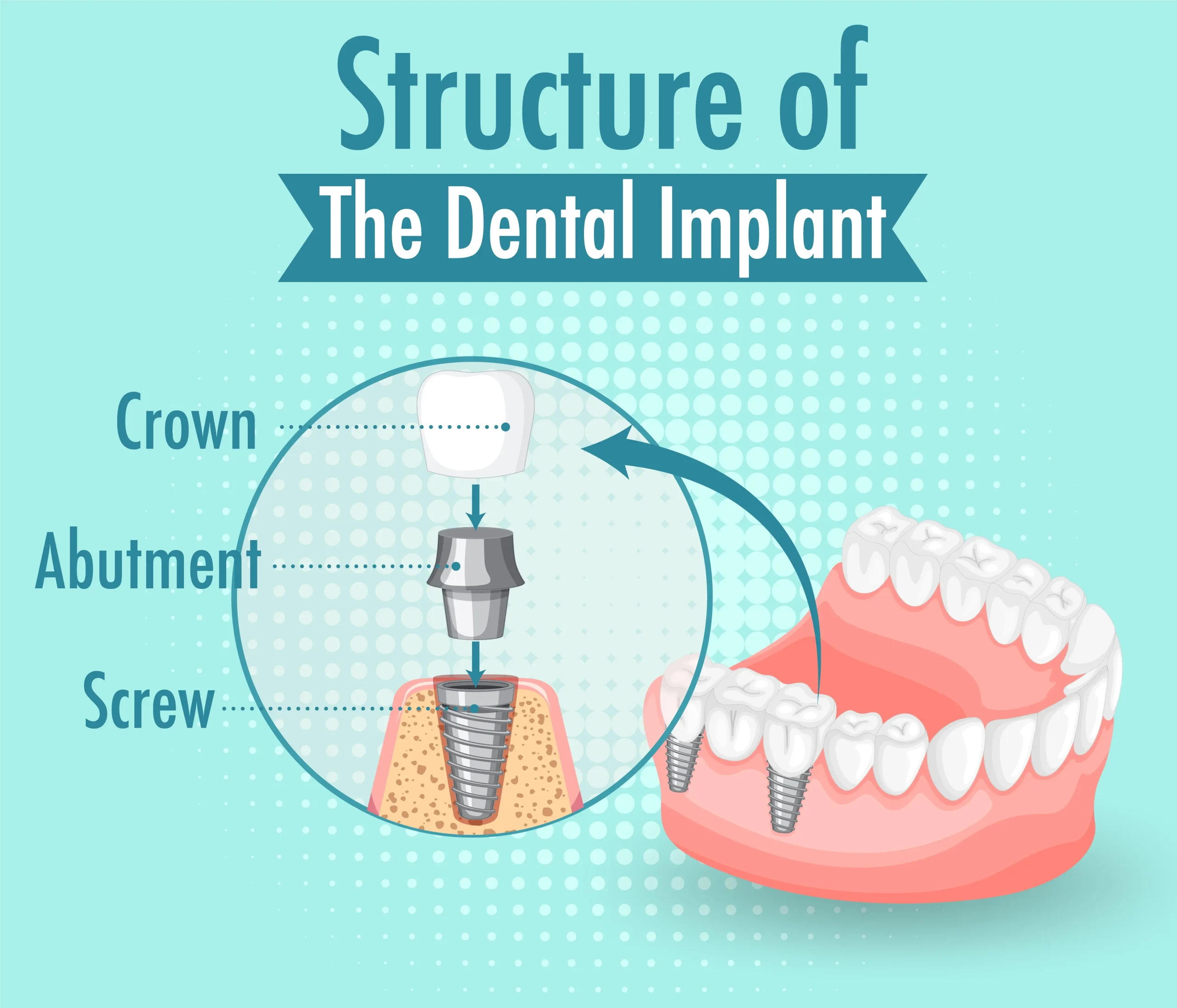
The name refers to four implants supporting a complete arch of teeth. Two go in at the front of the jaw in a vertical position. Two go in toward the back, angled at around 45 degrees. That angling is the design feature that makes the whole system work. The tilted posterior implants avoid the areas where bone tends to be thinnest after years of tooth loss, allowing the procedure to work in jaws that would not have enough bone for straightforward vertical implants.
The result is a fixed bridge of twelve to fourteen teeth sitting on four anchor points. It is not removable. It is cleaned and maintained like natural teeth. It looks and functions like a natural arch.
The system took off not because four is some magic number but because the angled rear implants solved a problem that had been blocking a lot of patients from treatment altogether. Once teeth have been missing for long enough, the bone beneath them shrinks. That bone loss had previously meant extensive grafting before any implants could go in, which added months and significant cost to an already expensive process. By positioning the rear implants at an angle, surgeons could reach denser bone further back in the jaw, bypassing the areas that had thinned out. All on 4 Implant treatment made full-arch reconstruction possible for patients who would not have qualified under the older approach.
What All-on-6 Actually Means
Six implants follow the same logic as four, just with two more anchor points added into the premolar region. The arch that sits on top looks and functions the same way. What changes is how the biting load gets distributed.
When a patient has adequate bone volume across the whole jaw, placing six implants in well-chosen positions spreads that load more evenly. Each implant takes on a smaller share of the force generated when chewing. Whether that translates into a meaningfully better long-term outcome depends on the specific anatomy and how the patient uses their teeth. For the upper jaw in particular, where bone density is naturally lower than in the lower jaw, All on 6 Implant treatment gives surgeons more to work with structurally.
The extra implants are not automatically better. If the bone in those additional positions is poor quality, placing implants there adds cost and surgical time without adding structural benefit. The decision has to be based on what the CT scan actually shows, not on a general preference for more over fewer.
The Numbers: What Each Option Costs in Turkey in 2026
Both procedures are significantly less expensive in Turkey than in Western Europe or North America. The difference is not marginal. It is the kind of difference that changes whether the treatment is financially possible at all for many patients.
| Treatment | Turkey 2026 | UK | Germany |
|---|---|---|---|
| All-on-4 single arch | £3,500 – £5,500 | £12,000 – £18,000 | €11,000 – €16,000 |
| All-on-6 single arch | £4,500 – £7,000 | £15,000 – £22,000 | €14,000 – €20,000 |
| All-on-4 both arches | £7,000 – £11,000 | £24,000 – £36,000 | €22,000 – €32,000 |
| All-on-6 both arches | £9,000 – £14,000 | £30,000 – £44,000 | €28,000 – €40,000 |
That £1,000 to £1,500 gap per arch between the two procedures looks different depending on where you are comparing it to. Against UK or German pricing, it barely registers. Against the total trip cost of coming to Antalya, it is a meaningful but manageable increment for patients whose bone situation supports six implants.
What Actually Determines Which One You Need
All-on-4 in Practice: What the Treatment Week Looks Like
Arriving in Antalya for an All-on-4 case, the first appointment is usually the assessment. CT scan, photographs, treatment plan. Day two is typically surgery. The four implants go in, and by the time you leave the chair, a temporary arch of teeth is already attached. Walking out of a surgery session with teeth in your mouth, having arrived without a full set, is the thing patients talk about most when they describe the experience.
That temporary set stays in place for the months it takes for the implant posts to bond with the surrounding bone. The permanent prosthesis comes on a second trip, usually somewhere between three and six months later depending on how the integration has progressed.
All-on-6 in Practice: What Changes and What Stays the Same
The treatment week for All-on-6 runs along the same lines. A longer surgical session because there are more implants to place, but the recovery days, the follow-up check, and the flight home all happen on roughly the same schedule. The same-day temporary arch applies here too. The difference in what the patient experiences day to day is minimal. The distinction is in what was decided during the planning phase, based on what the scans showed was actually available to work with.
Getting Dental Implants in Turkey: What the Full Process Looks Like
Dental Implants in Turkey draw patients from across Europe primarily because of the cost. What keeps them coming back, and what drives most referrals, is the way the process is managed around a fixed timeline. Patients flying in from the UK, Germany, the Netherlands, or France need everything to run on a schedule they can plan their lives around. The established clinics in Antalya have been handling exactly this for long enough that the coordination is genuinely smooth. Airport pickup, hotel, appointments, aftercare contact. A second trip for the permanent prosthesis is booked months in advance once the osseointegration period is underway, and by the time it arrives most patients treat it like a short holiday with a dental appointment attached.
How to Ask the Right Questions Before Booking
Before you agree to anything with any clinic, a handful of questions will tell you more about how they operate than anything on their website.
Ask what your CT scan shows specifically about bone volume in the positions where implants would go. If a clinic is willing to recommend All-on-4 or All-on-6 without having reviewed your imaging, they are not basing the recommendation on your actual anatomy.
Ask which implant brand and system they use. Straumann, Nobel Biocare, Osstem are the names with long track records and global parts availability. A clinic that cannot or will not name a brand is telling you something.
Ask what the temporary arch is made from and how it is attached. You will be wearing it for several months. The quality of that temporary matters.
Ask whether bone grafting would be included in the quoted price if the scan shows it is needed. The answer distinguishes clinics that have properly assessed your case from those quoting a number they expect to revise later.
Ask how the second visit for the permanent prosthesis is handled and whether it is part of the original package.
Frequently Asked Questions
Is All-on-4 or All-on-6 better?
Can I have All-on-6 if I have been wearing dentures for years?
How long does the treatment take from start to permanent teeth?
Is same-day teeth possible with All-on-4 and All-on-6?
What if I need bone grafting first?
How long do All-on-4 and All-on-6 restorations last?
What happens if one implant fails?
Request a Callback
We will call you back within 2 hours during clinic hours.