
Dr. Denti
Dr. Denti
WhatsApp Free Consultation
photo
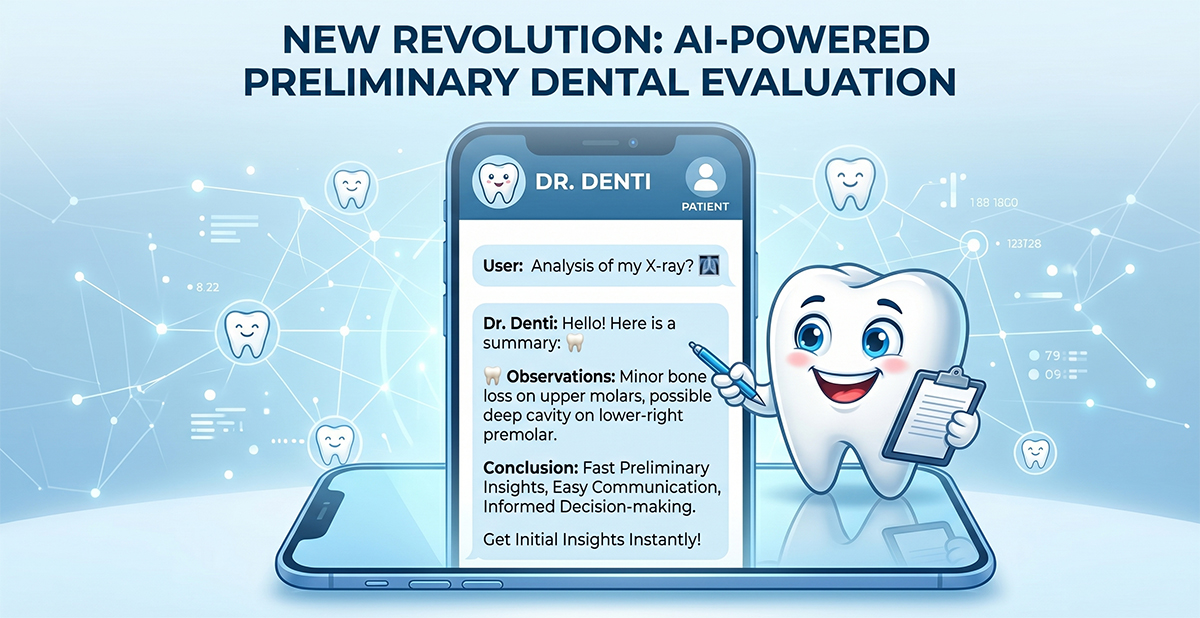
Dr Denti Dental AI Assistant

The Future of Dentistry is Here: Meet Dr. Denti, Our AI Assistant!

At Turkey Dental Clinic, we believe that world-class dentistry should be paired with world-class technology. We are thrilled to announce the launch of Dr. Denti—our cutting-edge AI assistant designed to transform your patient experience.

Starting a dental journey can sometimes feel overwhelming, especially when traveling from abroad. Whether you have questions about a procedure or want a quick look at your X-rays, Dr. Denti is here to provide instant guidance and preliminary insights.

What is Dr. Denti and How Does It Help You?

Dr. Denti is an AI-powered preliminary evaluation tool integrated into our digital platforms. It’s not just a chatbot; it’s a smart assistant that bridges the gap between your initial curiosity and your clinical treatment.

Key Features of Dr. Denti:

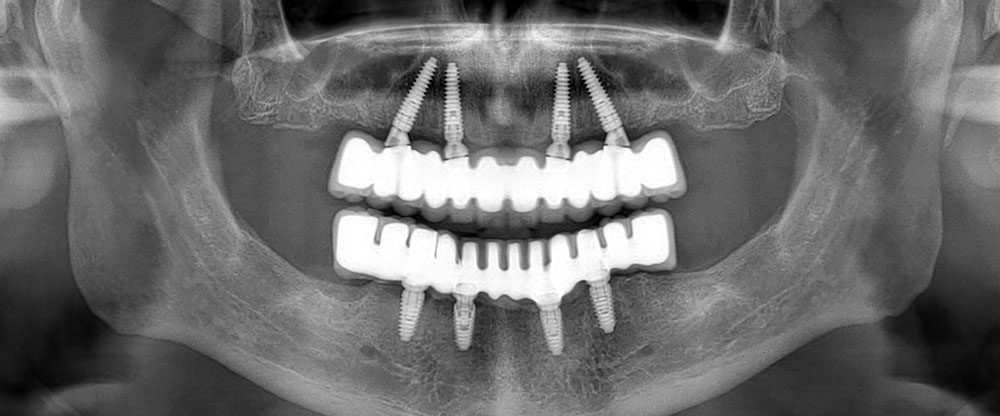
  • Instant X-ray Insights: Upload your panoramic X-rays, and Dr. Denti will provide immediate preliminary observations. This helps you understand your dental needs even before you step into our clinic.
  • Fast Preliminary Evaluations: Get quick answers about treatments like dental implants, veneers, or smile makeovers in seconds.
  • Informed Decision-Making: We empower you with information, helping you feel more confident and prepared for your consultation with our specialist dentists.
  • Seamless Communication: Connect directly with our team via WhatsApp once your AI analysis is complete for a personalized treatment plan.

Technology Meets Expertise

It is important to note that while Dr. Denti is incredibly smart, it is designed to support, not replace, our expert dentists. It acts as a high-tech filter that gathers information and provides initial data, which our clinical team then uses to craft your final, personalized treatment plan.

“Our goal is to combine the speed of Artificial Intelligence with the precision of human expertise to offer our patients the most transparent and efficient care possible.”

Experience the Innovation Today!

Do you have a recent X-ray? Or do you just want to learn more about your dental options at Turkey Dental Clinic?

Click on the Dr. Denti icon on our homepage to start your digital dental experience. Let AI guide you to your most beautiful smile!

Cheap Dentist Turkey

The Hidden Cost of Cheap Dental Treatment: What Are You Actually Buying?

Türkiye has rightfully earned its reputation as a global powerhouse for dentistry and aesthetic surgery. However, the “All-Inclusive £2,400” ads flooding your social media feeds often represent a high-risk gamble rather than a genuine healthcare service.

When choosing a clinic, looking only at the bottom line can result in complications that cost you much more in the long run. Here are four critical truths that “budget” clinics won’t tell you:

  1. The “Full Package” Illusion vs. Personalized Care

Dental treatment is not a “one-size-fits-all” product. Your anatomy is unique, and your treatment plan should be too.

  • The Reality: Ultra-low-cost packages are built for mass consumption. To keep costs down, clinics often use standard templates without a deep analysis of your bone structure, gum health, or natural smile line.
  • The Risk: This “conveyor belt” approach leads to unnecessary shaving of healthy teeth or the rushed crowning of a tooth that actually requires a root canal—all just to finish the “package” before your flight home.
  1. Material Quality: Not All Zirconia is Created Equal

The market is flooded with dozens of grades of zirconia and implant brands. You need to know exactly what is going into your body.

  • The Quality Gap: Is the clinic using high-end, CE-certified blocks that meet European standards, or low-durability materials that lack translucency and risk fracturing within months?
  • The Longevity Factor: A crown that cracks after three years will cost you double your initial “savings” in local repair fees.
  • The Implant Global Support: If you choose a budget implant brand that isn’t recognized internationally, your local dentist back home may not have the specific tools or parts to help you if an adjustment is needed years later.
  1. The “Ghost Patient” & The Influencer Trap

In high-volume, “factory-style” clinics, the famous influencer you see in the glossy ads might have only been there to pose at the clinic door.

  • The Transparency Issue: Are these influencers sharing a medical success story, or are they simply earning a commission? Many are bound by Non-Disclosure Agreements (NDAs) that prevent them from speaking out if they experience complications.
  • Expertise vs. Hype: When making a healthcare decision, your reference should be clinical case studies and verified patient testimonials, not a paid advertisement.
  1. The Real Cost of After-Care

Everyone is your “best friend” when the payment is being made. The real test of a clinic is what happens after you fly back home.

  • The “Budget” Clinic Experience: They often become slow to respond to messages once the invoice is cleared. If a complication arises, they may claim “it’s not our fault” and leave you to find a local doctor at your own expense.
  • The Premium Clinic Experience: Quality clinics are integrated into international insurance systems, stand by their work with formal guarantees, and use digital CRM systems to track your recovery milestones long after you’ve left the chair.

The Golden Rule: The true strength of dental tourism in Türkiye is not its “cheapness,” but its “accessible luxury and superior medical expertise.” If an offer looks too good to be true, quality is usually the first thing sacrificed.

Don’t Entrust Your Smile to a Discount Ad

If you want to be treated as a patient rather than a customer, invest in the experience of the surgeon and the transparency of the clinic—not just the lowest number on a spreadsheet. Your smile is a lifelong investment; make sure it’s built to last.

Affordable E-max and Zirconia Smile Makeovers in Turkey for UK Patients

E-max Veneers vs Zirconia Crowns: Which is Best for Your Turkey Smile?

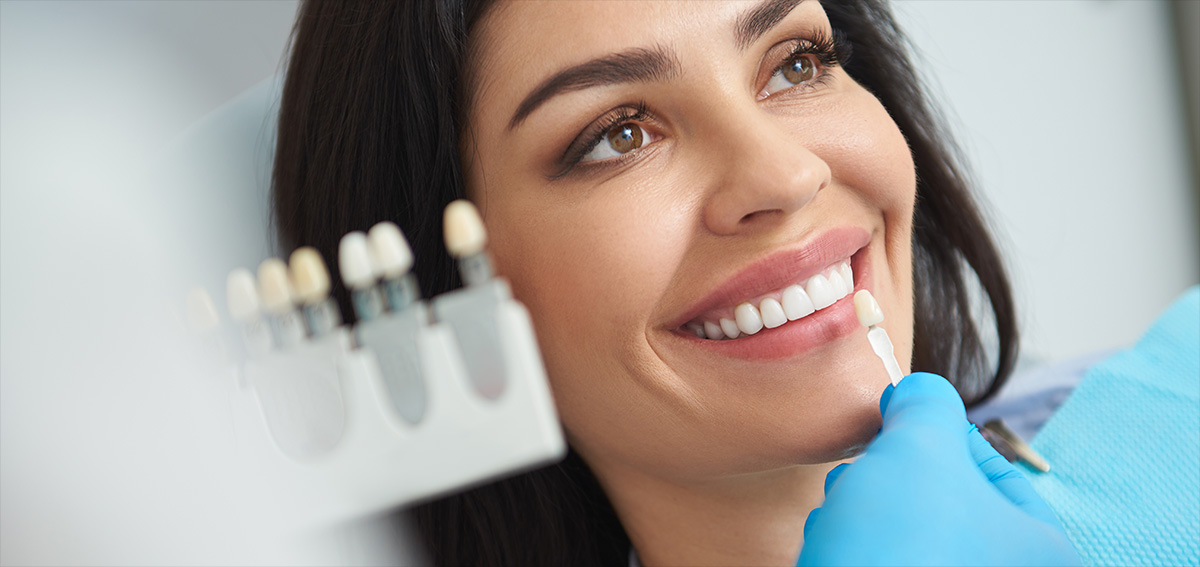
When planning a smile makeover in Turkey, the most common dilemma British patients face is choosing between E-max Veneers and Zirconia Crowns. Both offer world-class aesthetics, but they serve different purposes depending on your dental needs.

In this guide, we’ll break down the key differences to help you decide which is the best fit for your new smile.

The Aesthetic Choice: E-max Veneers

E-max is a high-strength lithium disilicate ceramic. It is widely considered the “Gold Standard” for those seeking a natural, red-carpet smile.

  • Best for Visual Perfection: Because E-max is translucent, it allows light to pass through just like a natural tooth. This prevents the “fake white” look that many patients want to avoid.

  • Minimal Preparation: E-max veneers are incredibly thin. This means our dentists only need to shave a tiny amount of your natural enamel (usually 0.3mm to 0.5mm), making it a much more conservative treatment.

  • Ideal Placement: We primarily recommend E-max for the “social six” the teeth that show when you smile.

The Strength Champion: Zirconia Crowns

Zirconia is a white crystalline oxide that is famous for its extreme durability. In the dental world, it is often nicknamed “Ceramic Steel.”

  • Unmatched Durability: Zirconia is practically unbreakable. If you have a heavy bite or a history of grinding your teeth (bruxism), Zirconia is the safest choice to ensure your new smile lasts for decades.

  • Full Protection: Unlike a veneer that only covers the front, a crown covers the entire tooth (360 degrees). This makes it perfect for teeth that have large fillings, cracks, or significant decay.

  • The Look: While slightly more opaque than E-max, modern “High-Translucent Zirconia” still offers a beautiful, bright, and healthy appearance.

Which One Should You Choose?

Choose E-max Veneers if:

  • Your primary goal is the most natural-looking translucency.

  • Your natural teeth are healthy, strong, and mostly straight.

  • You want to preserve as much of your natural tooth structure as possible.

Choose Zirconia Crowns if:

  • You need to replace old, discoloured crowns or bridge work.

  • You have a habit of clenching or grinding your teeth.

  • Your teeth are severely weakened, broken, or have undergone Root Canal Treatment.

  • You are looking for a Full Mouth Restoration where chewing strength is vital.

The Hybrid Approach: The Best of Both Worlds

At Dental Clinic Turkey, we often suggest a “Hybrid Smile Makeover” for our UK patients. This involves:

  1. E-max Veneers on the front teeth for a stunning, light-reflective smile.

  2. Zirconia Crowns on the back teeth to handle the pressure of chewing.

This combination gives you the ultimate aesthetic result without sacrificing the longevity of your dental work.

emax veneers and crowns

Why British Patients Choose Turkey for Their Smile Makeover?

In the UK, private dental costs for premium materials like E-max can be staggering. By choosing our clinic in Antalya, you receive:

  • German-Quality Materials: We use only certified E-max and Zirconia brands.

  • All-Inclusive Packages: Your treatment, hotel stay and VIP airport transfers are all managed by our team.

  • Speed: A process that takes months in the UK is completed in just 4 to 6 days here.

Get Your Free Personalised Quote Today Not sure which material is right for you? Send us a photo of your smile or a recent X-ray. Our expert dentists will provide a FREE online consultation and a bespoke treatment plan tailored to your needs.

Dental Implants Abroad

Who Should NOT Get Dental Implants Abroad? Risks & Patient Guide

Who Should NOT Get Dental Implants Abroad?

Dental tourism has become increasingly popular. Many patients travel abroad for dental implants because of lower costs, experienced clinicians, and shorter waiting times.
However, getting dental implants abroad is not the right choice for everyone.

This guide is written to help patients make safe, informed, and realistic decisions—not to discourage treatment, but to ensure the right treatment in the right place.

1. Patients With Serious Medical Conditions

Dental implants are a surgical procedure. Patients with certain health conditions may face higher risks, especially when treatment is done abroad.

You may not be a good candidate for implants abroad if you have:

  • Uncontrolled diabetes

  • Severe heart disease

  • Bleeding disorders

  • Immune system disorders

  • Recent chemotherapy or radiotherapy

These conditions often require close coordination between your dentist, physician, and sometimes a hospital setting. Managing this safely from another country can be challenging.

Patient-friendly advice:
If your medical history is complex, treatment close to home allows easier follow-up and emergency care if needed.

2. Patients Who Cannot Stay Long Enough for Follow-Ups

Dental implants are not a one-day treatment.

Even when immediate implants are placed, proper healing and follow-up are essential. Traveling patients who:

  • Can only stay a few days

  • Cannot return if complications arise

  • Expect everything to be “finished immediately”

may face disappointment or risk.

Why this matters:
Swelling, infection, or implant failure may require adjustments that are difficult to manage once you’ve returned home.

3. Patients Expecting Guaranteed Results

No ethical dentist—anywhere in the world—can guarantee 100% success.

You may not be suitable for dental implants abroad if you:

  • Expect a “risk-free” procedure

  • Believe implants always succeed

  • Are not prepared for alternative plans

Bone quality, healing response, and individual anatomy all affect outcomes.

Honest truth:
Dental implants have very high success rates, but they are still medical treatments—not cosmetic products.

4. Patients With Severe Dental Anxiety or Communication Barriers

Clear communication is critical for safe dental care.

Dental implants abroad may not be ideal if you:

  • Feel very anxious in medical settings

  • Struggle with language barriers

  • Need frequent reassurance and in-person explanations

Even with translators, being treated far from home can increase stress.

Patient tip:
Feeling calm, understood, and confident in your care team is just as important as price or location.

5. Patients Who Cannot Commit to Aftercare Instructions

Implant success heavily depends on aftercare.

You may want to reconsider treatment abroad if you:

  • Smoke heavily and are unwilling to pause

  • Struggle with oral hygiene routines

  • Do not follow medical instructions consistently

Aftercare doesn’t end when you board your return flight.

6. Patients Choosing Based Only on Price

Lower cost is one reason people seek treatment abroad—but it should never be the only reason.

Dental implants abroad may not be right for patients who:

  • Choose clinics solely based on price

  • Do not research materials or certifications

  • Ignore treatment planning and diagnostics

Important reminder:
Quality implants, sterile environments, and experienced teams matter more than discounts.

When Dental Implants Abroad Can Be a Good Option

You may be a good candidate if you:

  • Are medically stable

  • Can stay long enough for proper care

  • Understand risks and limitations

  • Choose a reputable, transparent clinic

  • Value communication and follow-up planning

Final Thoughts

Dental implants abroad can be safe, successful, and life-changing but only when the patient, clinic, and treatment plan are well matched.

If you are unsure, a professional consultation (even online) is the best first step.
The right decision is not about where you get treatment but how well it is planned for you.

dental implant brands

Dental Implant Brands: Why the System Matters More Than the Name

Patients often ask which dental implant brand is “the best.”
It’s an understandable question — but it’s also the wrong starting point.

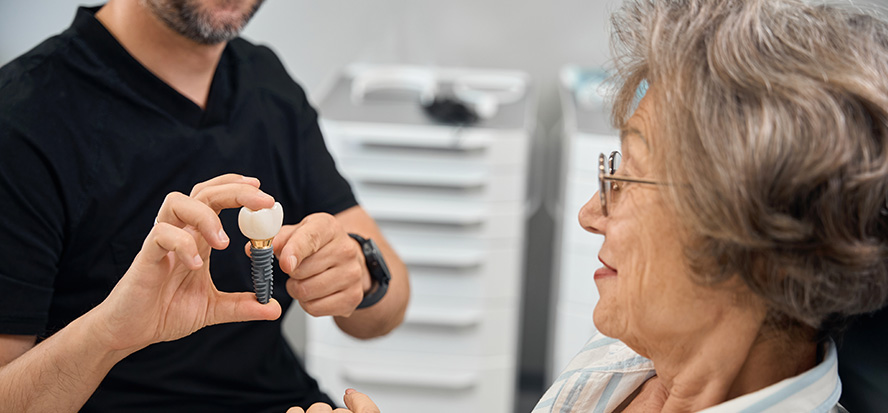
In clinical practice, there is no universally “best” implant system. There are only systems that are appropriate for a specific patient, bone condition, and treatment goal. Understanding dental implant brands helps patients ask better questions, avoid misleading comparisons, and focus on what truly affects long-term success.

Not All Dental Implant Systems Are the Same

The term “dental implant” is often used as if it describes a single product.
In reality, implant systems differ significantly in how they are designed, tested, and supported.

Key differences between implant systems include:

  • The amount of published clinical research

  • Manufacturing standards and quality control

  • Surface technology and bone integration behavior

  • Long-term availability of components

  • Compatibility with different prosthetic solutions

Two implants may look similar on an X-ray, but their behavior over time — especially under functional load — can be very different.

This is one of the main reasons why implant costs and outcomes vary between clinics.

How We Choose Implant Systems in Our Practice

We do not select implant systems based on marketing claims or patient requests.
Our choice is always driven by clinical responsibility.

Case Complexity Comes First

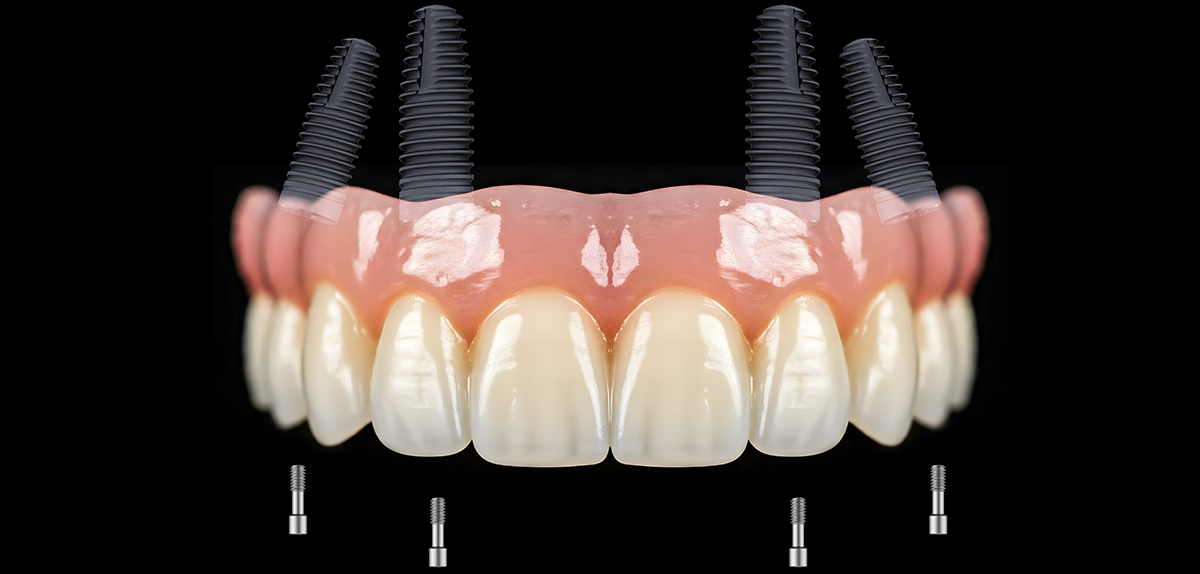
Simple cases with good bone quality do not require the same solutions as patients with advanced bone loss, previous implant failure, or full-arch rehabilitation needs.

No single implant system is suitable for every situation.

Long-Term Serviceability Matters

Dental implants are not short-term solutions.
A system must allow for:

  • Reliable component replacement years later

  • Compatibility with future prosthetic revisions

  • Ongoing manufacturer support

An implant system that performs well today but lacks long-term serviceability creates unnecessary risk.

Evidence Over Branding

We prioritize implant systems with:

  • Peer-reviewed clinical studies

  • Long-term follow-up data

  • Documented performance across different case types

Marketing popularity is never a substitute for scientific evidence.

Implant Brands We Commonly Work With

We work with a limited number of implant systems that meet our clinical and ethical standards.
The choice of system is always based on clinical indication, not price or brand recognition.

Straumann

Straumann is a well-documented implant system with extensive long-term clinical research.
It is often used in complex cases and full-arch rehabilitations where predictability and component availability are critical.

Nobel Biocare

Nobel Biocare has played a key role in the development of immediate loading and full-arch implant concepts.
It is frequently considered for cases requiring advanced prosthetic planning and established treatment protocols.

Neodent

Neodent, part of the Straumann Group, offers reliable solutions when used with proper case selection and planning.
It can be suitable for specific indications where predictability and cost-efficiency must be balanced responsibly.

The implant system is selected by the clinical team based on diagnostic findings — not by patient preference or price comparison.

Why the Implant Brand Alone Does Not Determine Success

Implant success depends far more on planning, execution, and follow-up than on the name of the implant system.

Critical factors include:

  • Accurate diagnosis and imaging

  • Bone quality and volume

  • Surgical experience

  • Prosthetic design

  • Long-term maintenance and follow-up

An excellent implant system cannot compensate for poor planning or inappropriate case selection.

For a broader understanding of how these factors influence outcomes and costs, see our guide on dental implant pricing and cost differences in Turkey.

Questions Patients Should Ask About Implant Systems

Instead of focusing on brand names, patients should ask:

  • Why is this implant system recommended for my case?

  • What alternatives were considered?

  • Is this system well-documented clinically?

  • Will components be available long-term?

  • Who takes responsibility if complications occur?

Clear answers to these questions matter more than any logo.

Our Clinical Responsibility

We take responsibility for the implant systems we use because we also manage:

  • Complications if they occur

  • Long-term follow-up and maintenance

  • Prosthetic adjustments over time

This responsibility is part of ethical implant treatment and should always be reflected in how a clinic plans and prices care.

To understand the full process, you may also want to review our overview of dental implant treatment in Turkey and the role of  bone grafting and sinus lift procedures in complex cases.

Not Sure Which Implant System Is Right for You?

The appropriate implant system depends on bone condition, medical history, and treatment goals.
A proper evaluation helps determine what is clinically suitable, not just popular.

Request a Case Evaluation

No automated quotes. No instant pricing. Individual clinical review only.

dental implant turkey

Why Dental Implant Prices in Turkey Vary So Much

One of the most common questions we hear from international patients is simple: “Why are dental implant prices in Turkey so different from one clinic to another?”

At first glance, the offers can be confusing. Two clinics in the same city may quote prices that differ by hundreds — sometimes thousands — of euros for what appears to be the same treatment. The truth is, dental implant treatment is not a standardized product. Price differences are not random, and they are rarely accidental.

Below, we explain the real reasons behind these variations — including factors most clinics never talk about.

1. Not All Dental Implants Are the Same

The word “implant” is often used as if it describes a single product.
In reality, it does not.

Dental implants vary significantly in:

  • Country of manufacture

  • Research and clinical validation

  • Surface technology

  • Long-term success data

  • Availability of spare components years later

Well-known implant systems invest heavily in research, documentation, and global support.
Others are produced at a much lower cost, often with limited long-term data.

While two implants may look similar on an X-ray, their long-term performance and complication risk can be very different — and this difference is reflected in the price.

2. Surgical Planning vs. “One-Size-Fits-All” Treatment

Another major factor behind price variation is how much planning is involved before surgery.

Some clinics follow a fast, standardized approach:

  • Minimal diagnostics

  • Limited analysis of bone quality

  • Same protocol for most patients

Other clinics invest time in:

  • Detailed radiological evaluation

  • Individual bone and bite analysis

  • Case-specific treatment planning

This planning stage requires experience, time, and often advanced imaging and software.
It also significantly reduces the risk of complications — but it increases the cost.

Cheaper prices often reflect simplified planning, not efficiency.

3. The Experience of the Surgical Team

In dental implantology, experience matters more than equipment.

Clinics with:

  • Highly experienced surgeons

  • Long-term complication management experience

  • Conservative case selection

often charge more — because they refuse cases that should not be treated, and they accept full responsibility for outcomes.

Lower prices may come from clinics where:

  • Implant surgery is delegated to less experienced practitioners

  • Case volume is prioritized over complexity

  • Long-term follow-up is limited

Experience is not something you see on a price list, but it directly affects outcomes.

4. What Is (and Isn’t) Included in the Price

Many price comparisons fail because they compare numbers — not scope.

Some implant offers include:

  • Surgical placement only

Others include:

  • Bone grafting if required

  • Temporary restorations

  • Prosthetic components

  • Follow-up care and adjustments

In some cases, additional procedures are discovered after treatment has started, leading to unexpected costs.

Lower initial prices may exclude essential steps that are later billed separately.

Want a realistic estimate for your case?

Implant costs depend on bone quality, the implant system, and the treatment plan. If you share an X-ray or CT scan, we can review your case and explain what would be appropriate.

Request a Case Evaluation

No automated quotes. Individual review only.

5. Risk Management and Complication Responsibility

This is one of the most important — and least discussed — reasons for price differences.

Some clinics take full responsibility for:

  • Managing complications

  • Revisions if needed

  • Long-term maintenance guidance

Others operate on a “procedure-only” basis:

  • Treatment is completed

  • Responsibility ends when the patient leaves

Clinics that stand behind their work must factor potential risk into their pricing.
Those that do not, can offer lower prices — but shift the risk to the patient.

6. Patient Selection Makes a Difference

Ethical implant treatment includes knowing when not to treat.

Patients with:

  • Insufficient bone

  • Uncontrolled systemic conditions

  • Unrealistic expectations

may require alternative solutions or further preparation.

Clinics that carefully screen patients sometimes appear more expensive — because they avoid shortcuts.

Clinics offering the same treatment to almost everyone can reduce costs, but increase failure rates.

7. Location Alone Does Not Explain the Difference

It is true that treatment in Turkey is generally more affordable than in many Western countries.
However, location alone does not explain extreme price differences within Turkey.

Two clinics in the same city may operate under completely different standards, philosophies, and responsibility levels.

The real question is not “Why is Turkey cheaper?”
It is “Why is this clinic cheaper than the other one?”

8. When a Very Low Price Should Raise Questions

Lower cost does not automatically mean lower quality — but extremely low prices should always be examined carefully.

Important questions to ask include:

  • Which implant system is being used?

  • Who performs the surgery?

  • What happens if something goes wrong?

  • Is long-term follow-up available?

Price alone is never the full story.

Final Thoughts

Dental implant treatment is a medical procedure, not a commodity.

Price variations reflect differences in:

  • Materials

  • Planning

  • Experience

  • Responsibility

  • Risk management

Understanding these factors helps patients make informed decisions — not just affordable ones.

Choosing a clinic should never be about finding the lowest price, but about finding the right balance between cost, safety, and long-term outcome.

Looking for the Right Option?

Every case is different. Before focusing on numbers, it is always better to understand what is appropriate for your specific situation. A careful evaluation can prevent unnecessary procedures, unexpected costs, and long-term problems.