

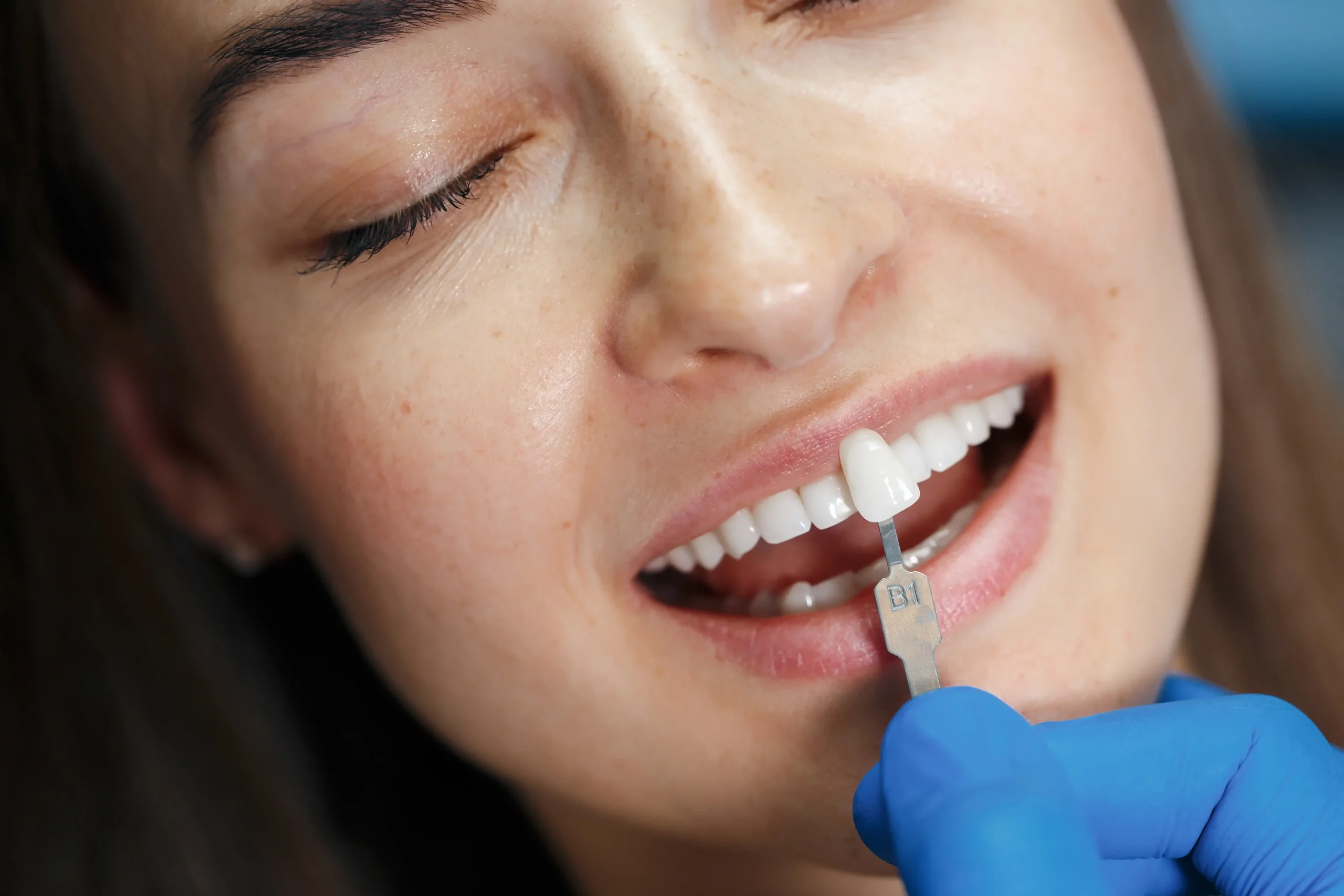
Most people researching zirconium crowns in Turkey arrive at the same point: they have been quoted a price at home that makes the treatment feel out of reach, they have seen enough before and after results to believe the quality is real, and they want to understand what they are actually getting before they commit to a trip.
What follows is a straightforward account of the treatment. What zirconium crowns are, how they are made, what they cost in Turkey versus at home, how the trip works in practice, and where things tend to go wrong for patients who do not prepare properly. No sales pitch in either direction. Just the information that helps you make a decision you will not regret.
What a Zirconium Crown Actually Is
A crown covers a tooth completely. Think of it as a new outer shell fitted over whatever remains of the original tooth or, in implant cases, over the post that sits in the jaw bone. The tooth is prepared, a precise copy of its ideal shape is produced in the lab, and that copy is permanently bonded in place.
Crowns become necessary in a range of situations. A tooth that has broken too severely for a filling to hold. A tooth that has had root canal treatment and needs the structural protection a crown provides. A tooth so discoloured that whitening or veneers cannot address it. Or the visible component sitting on top of an implant post.
Older crown systems used a metal core with a porcelain layer on the outside. Over time these develop a dark line at the gum as the metal shows through, and the porcelain layer can chip away from the metal underneath. Zirconium crowns have no metal in them at all. The material is a ceramic that handles bite pressure better than porcelain, holds its appearance over years without a dark line forming, and in its newer high-translucency formulations produces a result that in natural light looks genuinely close to a real tooth rather than something placed over one.
Why Turkey and Why the Price Is What It Is
A zirconium crown at an established clinic in Antalya costs between £120 and £250. The same crown at a private clinic in the UK sits between £500 and £800. In Germany the equivalent runs €450 to €750.
The gap is not about the material. Zirconium suppliers serve clinics in Turkey the same way they serve clinics in London or Munich. The milling machines that cut the crowns from zirconium blocks are the same CAD/CAM technology used in European labs. The difference is what it costs to run a clinic in Antalya versus what it costs to run one in a Western European city. Rent, staff wages, utilities, all of it is a fraction of the equivalent in the UK or Germany. That overhead difference is what produces the price gap, and it is large enough that the combined cost of treatment, flights, and accommodation in Antalya comes out well below the cost of the same crowns at home.
What Zirconium Crowns Cost Across Different Case Types
The per-crown price is only part of the picture. How many crowns you need, what the preparation involves, and whether any additional work is required before crowns can be placed all affect the total.
| Treatment | Turkey 2026 | UK | Germany |
|---|---|---|---|
| Single zirconium crown | £120 – £200 | £500 – £800 | €450 – €750 |
| Full upper arch (10–12 crowns) | £1,200 – £2,400 | £5,000 – £9,600 | €4,500 – €9,000 |
| Implant crown (zirconium) | £200 – £350 | £700 – £1,200 | €600 – €1,100 |
| Crown + root canal prep | £250 – £400 | £800 – £1,400 | €700 – €1,300 |
For patients needing multiple crowns, the savings compound quickly. A patient requiring ten upper crowns saves between £3,800 and £7,200 compared to UK pricing, before accounting for the cost of flights and accommodation.
What the Preparation Process Involves
Getting a zirconium crown involves several stages that patients should understand before they arrive.
The tooth is first assessed and any decay removed. If the tooth has significant structural damage, a root canal treatment may be required before crown placement can proceed. This is not a complication. It is a clinical prerequisite. A crown placed over an infected or structurally compromised tooth will fail. Any clinic that skips this assessment is not doing you a favour.
One question worth settling before preparation begins is whether crowns are actually the right treatment. Veneers cover only the front surface of a tooth rather than the whole thing, which means far less of the natural tooth is removed during preparation. For a tooth that is cosmetically imperfect but structurally sound, a veneer achieves the aesthetic result with less permanent alteration. Crown preparation removes more of the tooth and cannot be reversed. A clinic that recommends crowns for every aesthetic case without considering veneers is either not assessing carefully or has a reason to favour the more intensive procedure. Ask the question before preparation begins.
Once the tooth is prepared, a digital scan maps its precise shape alongside the surrounding teeth. This data goes to the lab, where the crown is milled from a zirconium block. A ceramist then finishes the surface, adjusts the shade, and applies any texture needed to make the crown blend with the adjacent teeth rather than stand out from them. While the permanent crown is being produced, a temporary one is fitted over the prepared tooth. This protects the tooth and maintains the bite during the lab period, which at a clinic with an on-site lab usually takes one to two days.
The permanent crown is fitted, adjusted for bite, and bonded in place. Fine adjustments to the shape and bite are made at this appointment and often at a follow-up check before the patient leaves.
What the Trip Looks Like in Practice
For a straightforward single or multiple crown case without implant involvement, the treatment fits into five to seven days.
Day one is arrival and assessment. X-rays are taken, the existing teeth are examined, and the treatment plan is confirmed. If additional work like root canal treatment is needed, this is established and planned at this stage rather than coming as a surprise.
Day two or three is preparation and temporaries. The teeth are prepared, the scan or impression is taken, and temporary crowns are fitted. This is the longest clinical day.
Days three and four are recovery and lab time. The ceramist is producing the permanent crowns. Most patients use these days to rest and, in Antalya, to explore the city at whatever pace suits recovery.
Day five or six is fitting. The permanent crowns are seated, checked for fit and bite, and adjusted. You leave with the completed result. Day seven is the flight home.
What to Ask Before You Book
A few specific questions determine whether a clinic is worth your time and money or not.
Is the lab on-site? A clinic with its own ceramist and milling equipment has direct control over quality and turnaround time. Adjustments can be made quickly. Clinics that send work to external labs have less control over either. The answer also tells you whether the timeline being offered is realistic. A five-day case requires on-site lab capability.
What zirconium system do they use? Not all zirconium is the same. High-translucency zirconium formulations, which produce a more natural-looking result, cost more than standard zirconium. A clinic that specifies the system is a clinic that takes the detail seriously.
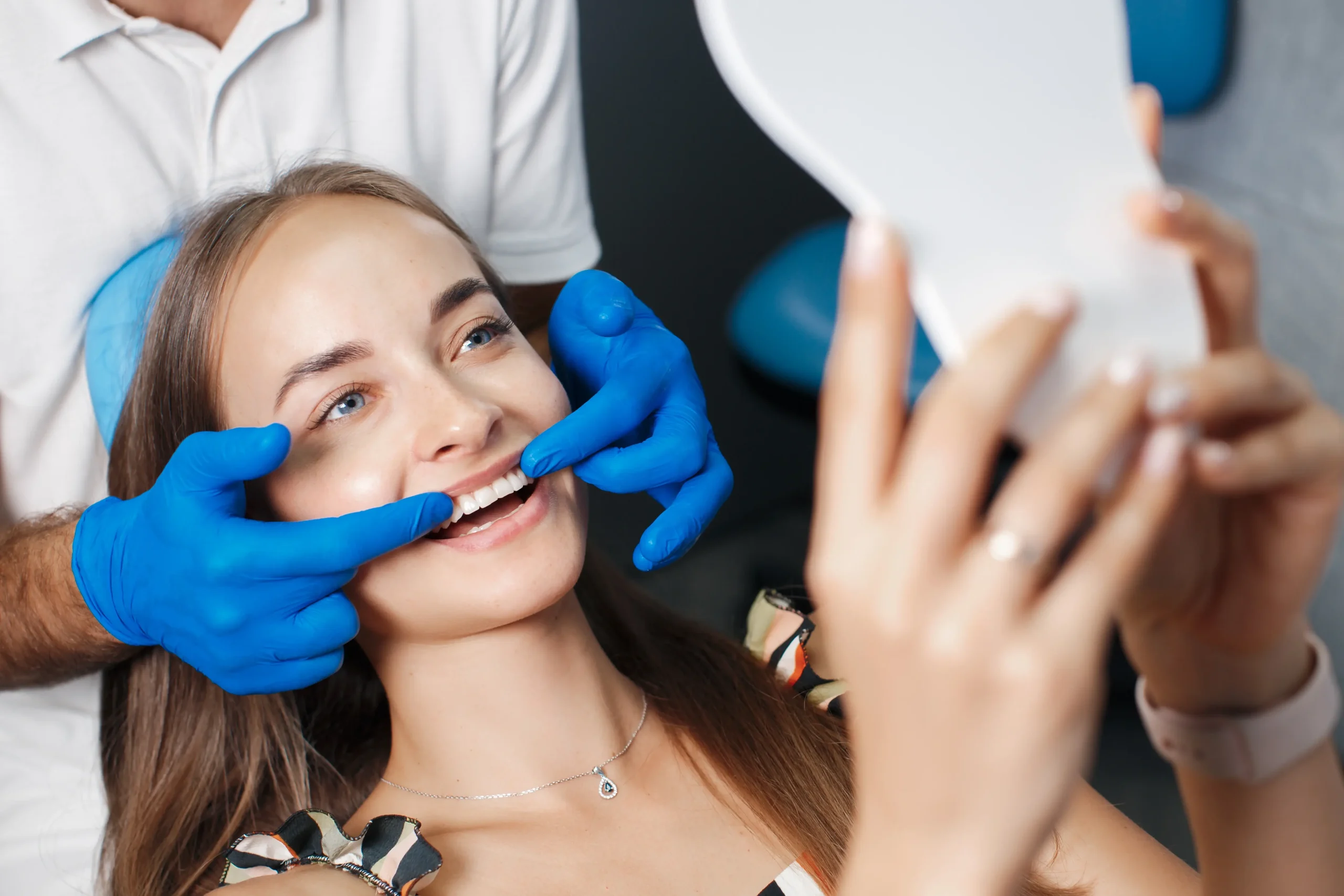
Will they show you the proposed shade and fit before final bonding? This is standard at clinics that care about the result. The crown is seated, you look at it, you assess the shade and shape against the adjacent teeth, and adjustments are made before permanent bonding. Skipping this step is a warning sign.
What happens if the fit needs adjustment after you fly home? Reputable clinics will correspond remotely and advise on whether an adjustment requires in-person intervention or can be handled by a local dentist with the clinical documentation you bring home.
How to Identify Quality Results
The before after gallery of any clinic you are considering tells you more than any written review. What to look for is not the most dramatic transformations. Look for cases that started with similar issues to yours and document realistic improvements. Look at whether the crowns in the after photos look like teeth or like obvious restorations. Shade variation between adjacent teeth is a good sign. Uniformity is a warning.
Ask to see cases specifically involving zirconium crowns rather than veneer cases, which tend to dominate galleries. The two are different treatments with different clinical demands, and a clinic that excels at veneers does not automatically produce excellent crown work.
Zirconium Crowns on Implants
A significant proportion of zirconium crown cases involve crowns placed on dental implants rather than natural teeth. The crown is the visible component, the white tooth you see, while the implant post sits in the jaw bone below the gum.
For implant crowns specifically, zirconium is almost universally the right material choice. The strength is appropriate for a restoration that cannot rely on the shock-absorbing properties of a natural tooth root. The metal-free construction means no dark line at the gum as time passes and gum tissue naturally changes. And the appearance, particularly with high-translucency formulations, is genuinely close to a natural tooth.
The implant and the crown are usually placed at different stages. The implant post is placed and then allowed to integrate with the jaw bone over a period of months. The zirconium crown is placed once integration is confirmed. Patients coming to Turkey specifically for implant crowns after having implants placed elsewhere should bring the full clinical documentation of the implant system used, including the brand, model, and dimensions, so the crown can be fabricated to the correct specifications.
What Can Go Wrong and How to Avoid It
Crowns placed without adequate tooth assessment or root canal treatment when required will eventually fail. No material is strong enough to overcome an underlying infection or structural problem in the tooth beneath. A thorough clinical assessment before any preparation begins is non-negotiable.
Poor shade matching produces a crown that looks obviously different from the adjacent teeth. A clinic with an experienced ceramist and a shade-check appointment before final bonding rarely produces this outcome. A clinic without either produces it regularly.
Bite issues not resolved before you leave cause discomfort and can damage the crown over time. Do not leave the clinic if the bite feels wrong. The fitting appointment should include a thorough bite check and the patient's own assessment.
Crowns bonded without a try-in step cannot be adjusted without removal. Ask specifically whether there is a try-in appointment before bonding.
The Decision: What Matters Most
Choosing between zirconium and other crown materials is almost always straightforward. For back teeth, zirconium's strength makes it the obvious choice. For front teeth where appearance is the priority, high-translucency zirconium is excellent. The only case where a different material, specifically E-max ceramic, might be preferable is for front teeth in patients who want the absolute maximum translucency and are not prone to grinding or heavy bite forces.
The more important decision is which clinic. If you are researching Zirconium Crowns in Turkey, the material is consistent across quality providers. The ceramist skill, the lab setup, and the clinical process are what vary.
Frequently Asked Questions
How long do zirconium crowns last?
Is the preparation painful?
Can I have zirconium crowns if I grind my teeth?
How many appointments does it take?
What is the difference between zirconium and porcelain-fused-to-metal crowns?
What should I bring home after treatment?
Request a Callback
We will call you back within 2 hours during clinic hours.