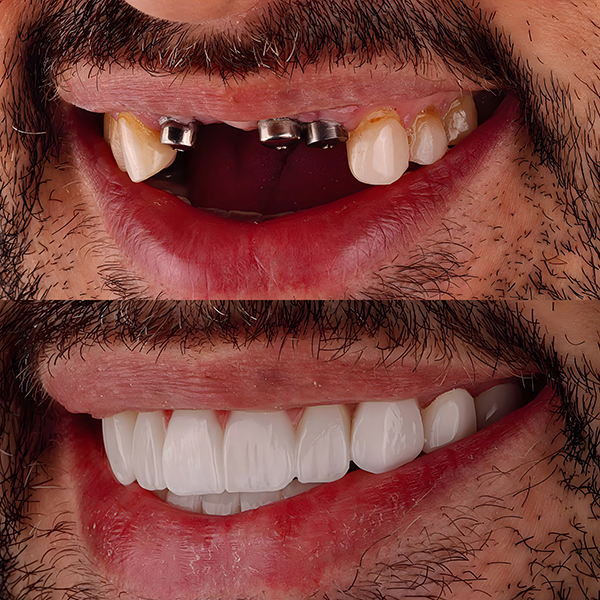

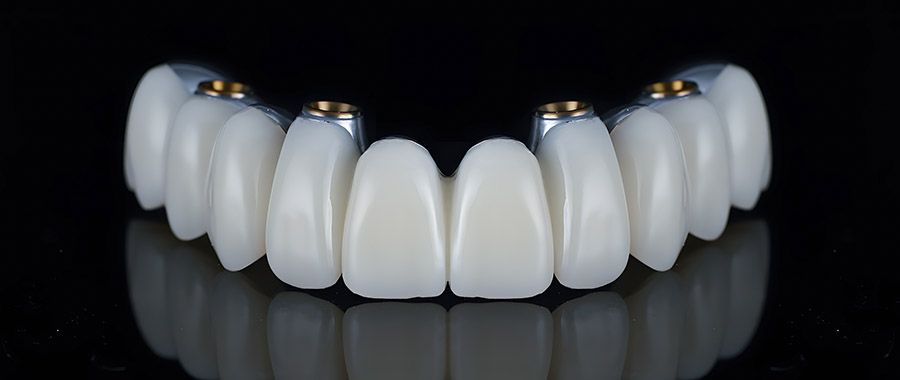
Full arch dental implant prothesis

Why Dental Implants Are Essential for Missing Teeth

Why should we have dental implants when teeth are missing?

The integrity of the body is extremely important. When even one of our organs does not work, we experience problems. Problems in the teeth also affect the internal organs. It can cause many diseases such as being overweight.

People with missing teeth age early:

Tooth loss, which is often ignored, causes great trouble for people over time. Tooth loss reduces bone density and causes a change in bone size of up to 25 percent in a year.

This causes melting of the jawbone over time, and the natural changes in the facial area due to aging begin to appear at an early stage. Missing teeth also invite many diseases from reflux to diabetes. We know that missing teeth “lead to early aging” in terms of facial aesthetics. Long-term tooth loss causes melting in the jawbone, causing deepening of the lines on the lips and face, especially around the mouth, causing the corners of the lips to droop, and creating a tired and aged facial appearance in the patient. Since the cheeks are sunken and the lips take on a thinner appearance, the person looks 5-10 years older. In order for the jawbone to be protected, chewing forces must be transmitted to the entire bone, and it is emphasized that this can only be achieved with dental implants that act as natural teeth or tooth roots.

“Every adult should have 28 teeth in their mouth, whether they are natural teeth or dental implants.”

Chewing quality affects all internal organs
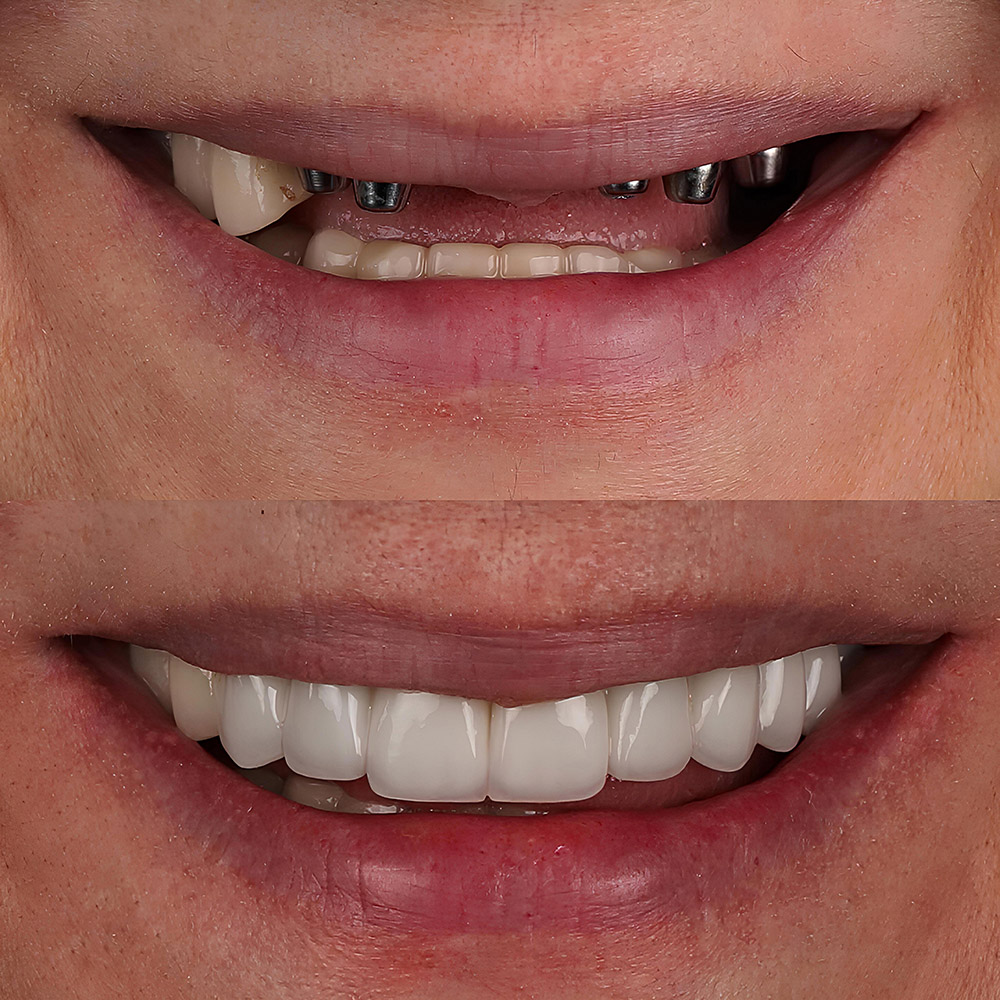
Dental Implants for Missing TeethFor a healthy digestive system that works well, pay attention to the importance of oral and dental health. While the reason for not being able to lose weight or get rid of reflux despite treatment may be missing teeth, problems that start in the mouth due to missing teeth can also cause stomach and digestive system diseases. The quality of chewing affects all internal organs, especially the stomach and pancreas, and when food is not chewed and ground as much as necessary, it goes to the stomach without being broken down enough, so in this case, the stomach has to take on the entire burden of digestion. This leads to excessive secretion of stomach acids and excessive work of the pancreas and gallbladder. Overwork of the pancreas invites diabetes.

Decrease in Oral Functions

Teeth play an important role in performing basic functions in the mouth such as chewing, speaking and swallowing. Tooth loss can seriously affect chewing ability in particular. Missing teeth cause food to not break down properly during chewing. This makes it difficult for the digestive system to function and can cause stomach problems and digestive disorders.

Additionally, missing teeth can make it difficult to speak properly in the mouth. In order for the sound to come out correctly during speech, the teeth and lips must work in harmony. Loss of teeth can lead to distortion of the voice, which can negatively affect a person’s self-confidence.

Shifting Teeth and Other Dental Problems

A missing tooth can cause the surrounding healthy teeth to move. Teeth are naturally fixed and balanced in place. However, when a tooth is lost, adjacent teeth try to fill the gap. This can cause the teeth to sit in the wrong position and cause crooked teeth. The shifting of teeth can lead to an improper bite (occlusion), which can lead to pain while chewing and joint problems.

Jawbone Loss

Teeth stimulate the jawbone to keep it healthy. In the event of tooth loss, the jawbone does not receive sufficient stimulation and begins to melt over time. Melting of the jawbone can lead to major problems both aesthetically and functionally. Melted jawbone can cause further tooth loss, deterioration of the jaw structure, and even changes in the shape of the face.

Aesthetic Concerns

Missing teeth can directly affect people’s aesthetic appearance. Especially the loss of front teeth spoils people’s smile and speech style. People can be embarrassed and lose self-confidence due to missing teeth. Aesthetic concerns can also have negative effects on social relationships. Due to tooth loss, people may tend to smile less, talk less and withdraw from social life.

Psychological Effects

Another important effect of tooth loss is its psychological consequences. Tooth loss can reduce a person’s self-confidence and lead to mental disorders such as depression. Avoiding smiling, aesthetic concerns and social isolation can negatively affect the individual’s psychological health. In addition, in individuals who care about their jaw and teeth health, general health concerns may increase in the event of tooth loss.

Effects on General Health

Tooth loss is not limited to oral health but can also have negative effects on overall health. Missing teeth can be a sign of certain health problems. Some diseases associated with tooth loss are heart disease, diabetes, respiratory diseases and digestive problems. Bacteria that may form in the mouth can spread throughout the body through blood and cause serious health problems.

Missing Teeth and Nutrition

Missing teeth can cause people to change their eating habits, especially because it affects chewing function. Hard foods and foods that are difficult to chew may be less preferred. As a result, adequate nutrients may not be taken, and vitamin and mineral deficiencies may occur. This can weaken the immune system and lead to more serious health problems.

Result

Missing teeth is more than just an aesthetic problem. Oral health can have far-reaching effects on overall health and psychological well-being. Regular dental visits, good oral hygiene and a healthy lifestyle are important to prevent tooth loss. If tooth loss has occurred, replacing these deficiencies with implants or other dental treatment methods can improve both functional and psychological health.

If you would like to get information about treatment options for your missing teeth, you can call us or reach us directly via our WhatsApp line.
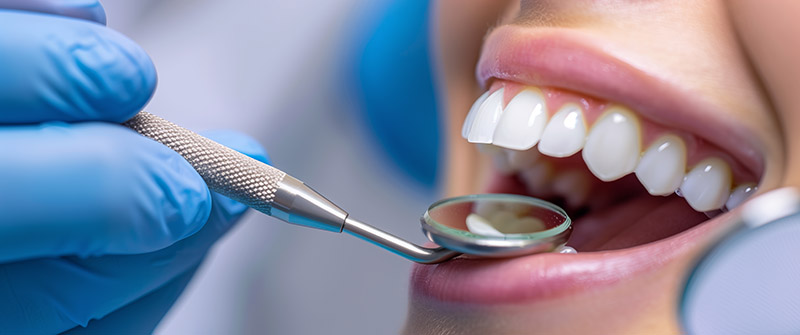
Teeth Grinding also call bruxizm

Work Stress Can Cause Teeth Grinding Problems

Work Stress Can Cause Teeth Grinding Problems

Stress invites many diseases. Bruxism, commonly known as teeth grinding, is among these diseases. Problems and disagreements experienced in business life, which cover a significant part of the day, can manifest as teeth grinding problems, especially at night.

The Tolerance Limit Can Drop To The Lowest Levels In The Workplace

Clenching teeth is an involuntary and parafunctional chewing system disorder that occurs in the form of grinding and clenching teeth during the day and during sleep, causing various negativities in the hard and soft tissues of the mouth. Many people can be in a serious stress wave during the day or while sleeping at night due to reasons such as work intensity and the high tempo of daily life.

There may be many other reasons that increase people’s stress levels. While this stress sometimes reduces the tolerance limit in human relations to the lowest levels, it can also lead to a significant increase in people’s involuntary behaviours. Clenching teeth is also at the top of these behaviours. It is a common situation for individuals to keep their teeth in contact and apply force to them during daily activities. Such situations are also seen during the day when individuals concentrate on their work or exert intense physical force.

There May Be More Than One Factor At The Source Of Teeth Grinding

The causes of teeth grinding are still being debated and are generally focused on psychological, genetic and stress factors. Today, there is a common belief that it may be related to more than one factor. Scientific studies show that teeth grinding during sleep is related to oral-facial functions and sleep regulation in the central and autonomic nervous system, as well as psychosocial and genetic factors. However, to explain the genetic effect, chromosomal diagnosis is required with studies to be conducted on many generations.

Teeth grinding has strong associations with anxiety, anger and depression

Many patients have been observed to have psychiatric symptoms along with teeth grinding. Studies on this syndrome have reported that patients need to be evaluated from a psychological and psychiatric perspective. Psychological factors can also increase the severity of existing temporomandibular pain and complaints, and may reduce the response to treatments applied to relieve pain. It has been shown that when psychological stress is increased under experimental conditions, electrical activity in the masticatory muscle increases. An increase in teeth clenching or grinding has also been observed after stressful and tiring days. In studies on psychological factors in these parafunctional habits, strong relationships have been obtained with anxiety, nervousness, worry and depression.

Teeth Grinding Causes Many Health Problems

As a result of teeth grinding, forces and tensions occur in teeth, joints and tissues within various mechanisms. It has been reported in the literature that teeth grinding causes wear on teeth, muscle pain, temporomandibular joint (TMJ) pain, pain and mobility in teeth, headache, and various problems for fixed and removable dentures.

Studies conducted on children, young adults and adults have shown the importance of the relationships between various parafunctional activities and TMJ symptoms. Teeth grinding can also lead to attrition, or wear caused by friction. As teeth grinding continues, damage to the oral region increases, cracks in tooth enamel, tooth sensitivity, enamel fractures and discoloration can be seen. In addition, osteoporosis and gum recession can be encountered in the long term. Most people who continue teeth grinding parafunction may need extensive dental restorations in the long term.

Teeth grinding and clenching cause hypertrophy, or growth, in the facial muscles and chewing muscles (especially the masseter). In the long term, this can cause a square jaw appearance. Pain and tenderness, fatigue, and functional limitations are observed in the masseter and temporal muscles due to teeth clenching and grinding.

Night Guards/Plates Play An Important Role In Treatment

There are a number of treatment methods applied against teeth grinding or clenching problems. Dentists should always resort to reversible classical treatments in the first stage. One of these methods is night plates used to prevent the contact of teeth with each other. In individuals who grind their teeth excessively, an antidepressant or muscle relaxant can be used under the supervision of a physician. The drug is not a treatment method on its own, it should be used together with a night plate. Long-term and short-term damage can be prevented with regular check-ups and adjustments to the chewing surface of the plate.

Free Consultation

You can call us or reach out via our WhatsApp line to get information about treatment options.

Dental Implants Titanium

If You Want to Get Implants for Your Teeth, Pay Attention to These!

If You Want to Get Implants for Your Teeth, Pay Attention to These!

The problem of missing teeth, which causes bad results in terms of aesthetic appearance and health, can be solved with a current treatment method, dental implants. An implant, which can be an alternative to crown or bridge prosthesis application, also prevents damage to other teeth. Smoking and poor oral hygiene, which negatively affect wound healing, reduce the success rate of the treatment and shorten the duration of the implant.

Implants imitate the root of tooth

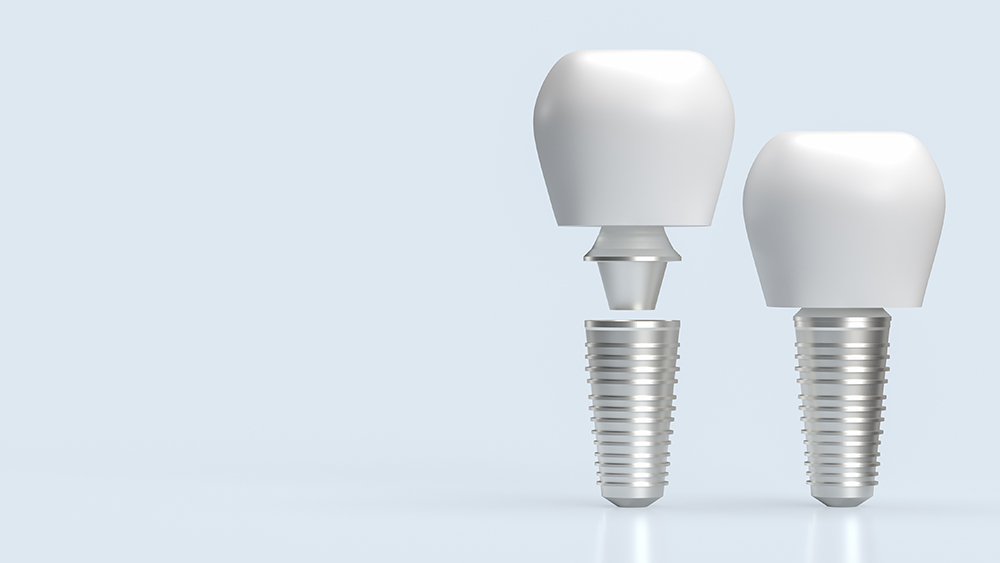
Dental implants, which are frequently used and a current treatment method for missing teeth today, are titanium screws that are placed in the jawbone to replace missing teeth in the mouth and imitate the tooth root. With dental prostheses planned according to the patient on these screws, the place of the missing teeth is completed both functionally and aesthetically.

Adjacent teeth do not need to be reduced

Implant treatment is an alternative treatment method to crown or bridge prosthesis application. In this way, the missing tooth in the mouth can be completed without the need to reduce the adjacent teeth for the construction of bridge prostheses. In addition, fixed prostheses can be applied to patients who must use removable prostheses because they do not have enough supporting teeth. In patients who use removable prostheses but do not hold the prosthesis due to bone insufficiency, implants can be placed and connected to the prosthesis to increase the retention of the prosthesis.

Bone suitability for implant is checked

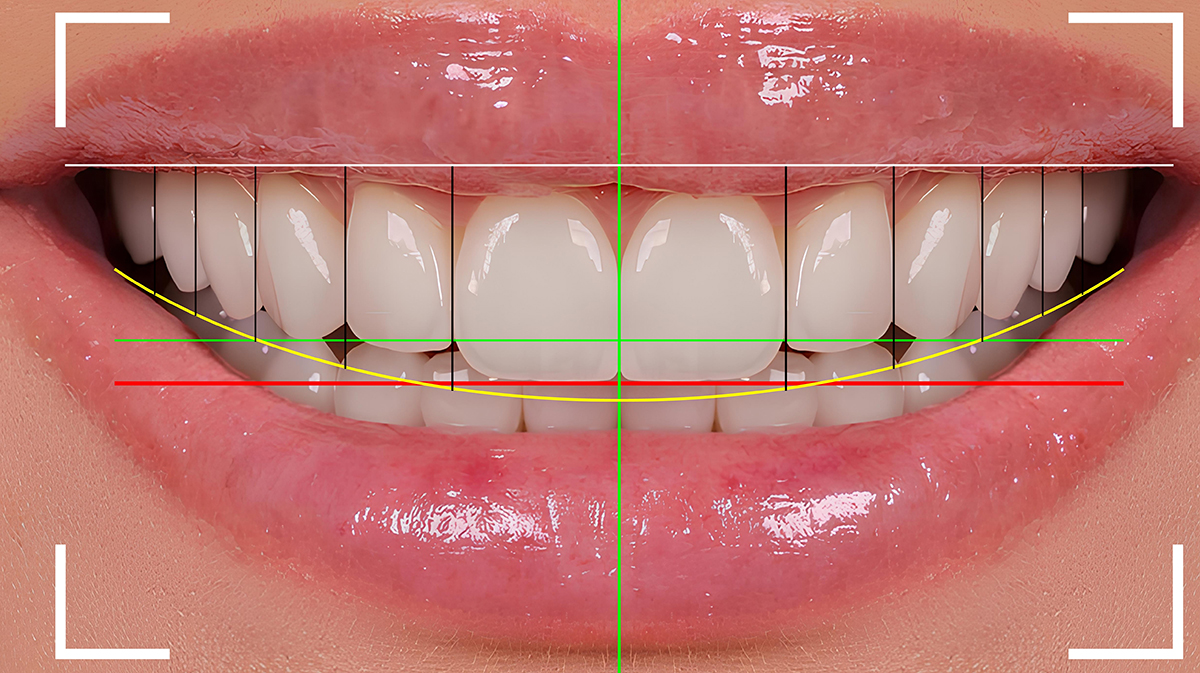
The general health status of the patient who will receive implant treatment is first evaluated and an intraoral examination is performed. After examining the patient’s expectations from the treatment and the suitability of the existing bone for the implant with three-dimensional radiographic images, it is decided how many implants will be applied and in what length and diameter. Aesthetic evaluations are also made and the most suitable superstructure is selected for the patient.

The procedure time varies depending on the number of implants

dental implants front teethBefore the operation, if any, prescribed medications should be taken. Before the implant operation, which is a surgical procedure, only the area to be treated is numbed with local anesthesia and then holes are opened in the jawbone and implants are placed in these holes. At the end of the procedure, these holes are closed with stitches and the operation is concluded. While the duration of this procedure varies according to the number of implants to be applied, it takes approximately 10 minutes for each implant to be placed in the bone. The stitches are removed approximately one week after the operation and a control examination is performed. After the procedure, the use of antiseptic mouthwashes and good oral care help to accelerate the healing process.
Additional operations may extend the waiting time

The healing period for implant treatment varies from patient to patient. It takes an average of 3 months for the upper jaw and 2 months for the lower jaw to fuse with the bone. Additional procedures may extend the waiting period if the bone is thin or insufficiently high. However, the time required for the construction of the planned superstructure prostheses varies between one week and 10 days.

Cold compress can reduce swelling and pain

After the implant procedure, when the effect of anesthesia wears off, a small amount of swelling and pain may be experienced due to the surgical procedure. This can be controlled by applying cold compresses and using appropriate medication within the first 24 hours.

Implants are not applied to patients receiving chemotherapy and radiotherapy

Implant treatment can be applied to any patient who has completed their growth and development and whose general health is good. However, implant treatment is not appropriate for individuals who have an important systemic disease that is not under control, or who have received radiotherapy or chemotherapy in the recent period. For this reason, it is important for the dentist to know the health history of each patient who is considered for implantation.

Smoking reduces the success rate of implants

Many studies have proven that smoking prevents the implant from integrating with the bone. In individuals who smoke, the probability of implant failure is 2-3 times higher than normal. Especially after the procedure, that is, during recovery, smoking increases the risk of infection and delays wound healing.

Providing oral hygiene extends the life of the implant

The lifespan of implants depends on different factors. It is very important for the patient to pay attention to the necessary hygiene conditions for the implants to last longer. Brushing the teeth correctly, using dental floss and mouthwash for oral hygiene are among the indispensable parts of oral hygiene.

It should be performed by experienced physicians who are experts in their field

Patients who do not receive the expected benefit from implant treatment may experience physical, psychological and financial losses. For this reason, it is of great importance that the implant application is performed by a specialist and experienced physician.

Dental Crowns Turkey

Dental Crowns Turkey: The Perfect Choice for a Healthy and Aesthetic Smile

Turkey has become a globally recognized destination in the field of medical tourism. Among dental treatments, dental crowns stand out as a popular option, offering a combination of high-quality service and affordable costs. But why is Dental Crowns Turkey attracting so much attention? Here’s everything you need to know!

What Are Dental Crowns?

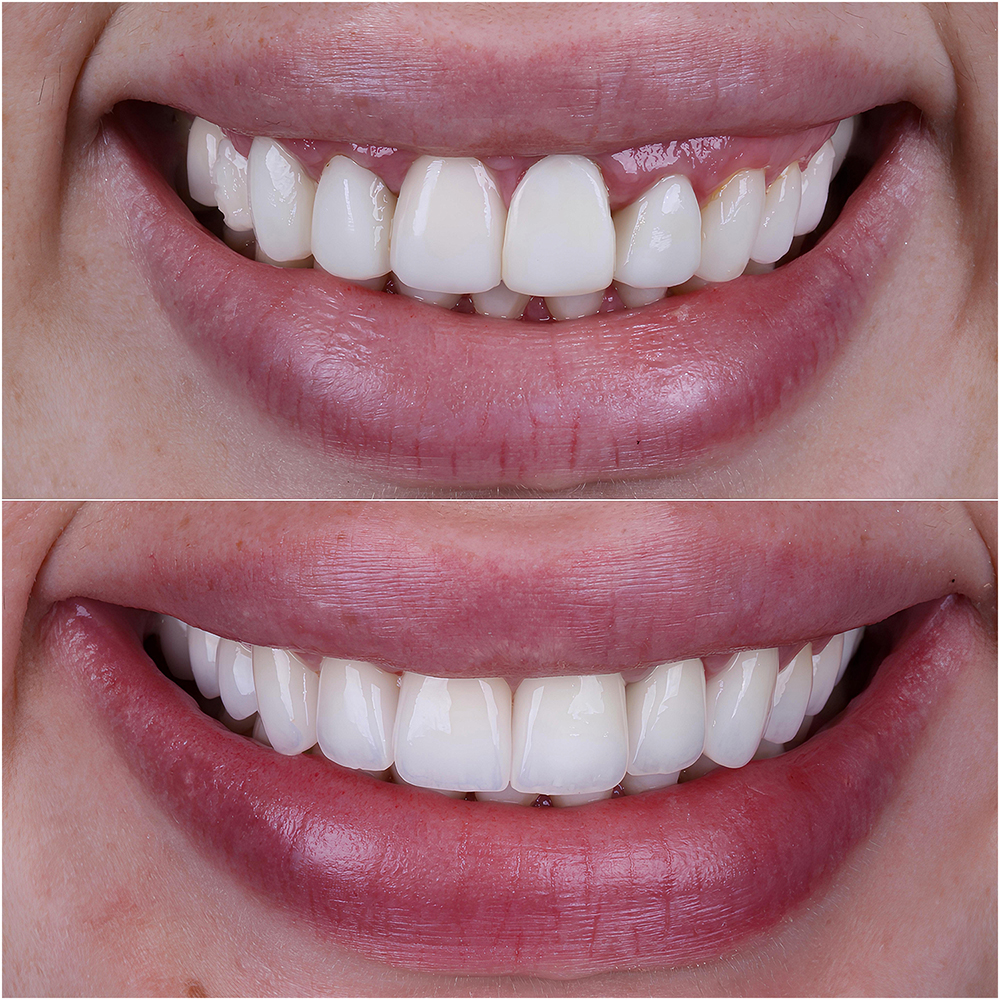
Dental crowns are prosthetic devices that are custom-made to cover or cap a damaged tooth, restoring its shape, size, strength, and appearance. They are often recommended for teeth that have become weak due to decay, injury, or wear and tear. By encasing the entire visible portion of a tooth, crowns provide a protective layer that helps preserve the remaining tooth structure underneath. Moreover, they can improve the aesthetic appeal of your smile by transforming the color and shape of your teeth.

Dental Crowns Turkey in Antalya

Crowns can be made from a variety of materials, including metal, porcelain, resin, and ceramic. The choice of material often depends on the location of the tooth, the extent of damage, and the desired aesthetic results. For instance, porcelain crowns are highly favored for front teeth due to their ability to mimic the natural translucence of tooth enamel, while metal crowns may be more suitable for molars that endure high levels of chewing pressure. Dental crowns are an integral aspect of restorative dentistry, allowing patients to regain functionality and confidence in their smiles.

The process of obtaining a dental crown typically involves multiple visits to the dentist. During the initial appointment, the dentist will evaluate the tooth in question, take X-rays if necessary, and prepare the tooth for the crown. This preparation may include removing a portion of the tooth structure to ensure the crown fits correctly. After shaping the tooth, the dentist will take impressions to create a custom crown that meets the specific needs of the patient. The final step involves placing the crown on the prepared tooth and ensuring proper fit and alignment, resulting in an enhanced smile that looks and feels natural.

Advantages of Getting Dental Crowns in Turkey

  1. Affordable Prices: Turkey offers up to 70% cost savings compared to Europe and the US. The balance of affordability and quality makes Turkey a top choice for dental treatments.
  2. High-Quality Standards:  Clinics in Turkey adhere to international standards, utilizing state-of-the-art equipment and experienced dental professionals. The materials used are typically of the highest quality, such as porcelain, zirconium, or metal-supported ceramics.
  3. Quick Treatment Process : Dental crown procedures can often be completed within a few days. Patients traveling for health tourism can enjoy both treatment and leisure during their stay.
  4. A Memorable Tourist Experience: Antalya allow patients to combine their treatment process with exploring historical landmarks and natural wonders, making the trip both productive and enjoyable.

The Dental Crown Procedure in Turkey

Initial Consultation: Your dentist will evaluate your teeth and determine the most suitable type of crown for your needs.

Preparation and Impressions: Teeth are prepared, and precise measurements are taken to ensure a perfect fit for the crowns.

Temporary Crowns: Temporary crowns are placed while the permanent ones are being crafted.

Placement of Permanent Crowns: The final crowns are fitted and secured, giving your teeth a natural and functional appearance.

Frequently Asked Questions About Dental Crowns in Turkey

How much do dental crowns cost in Turkey?

Prices vary depending on the material used and the location of the clinic. However, they are significantly lower than in Europe or the US.

What materials are used for dental crowns?

The most commonly used materials include porcelain, zirconium, and metal-supported ceramics. Zirconium is a popular choice due to its aesthetics and durability.

How long does the treatment take?

The process typically takes 3 to 5 days to complete.

Why Choose Dental Clinic Turkey?

Turkey stands out with its reliability, affordability, and exceptional service quality in the healthcare and tourism sectors. Opting for Dental Crowns Turkey ensures you invest in both functionality and aesthetics for your smile.

Take the first step towards the smile of your dreams by contacting a dental clinic in Turkey and planning your treatment today!