








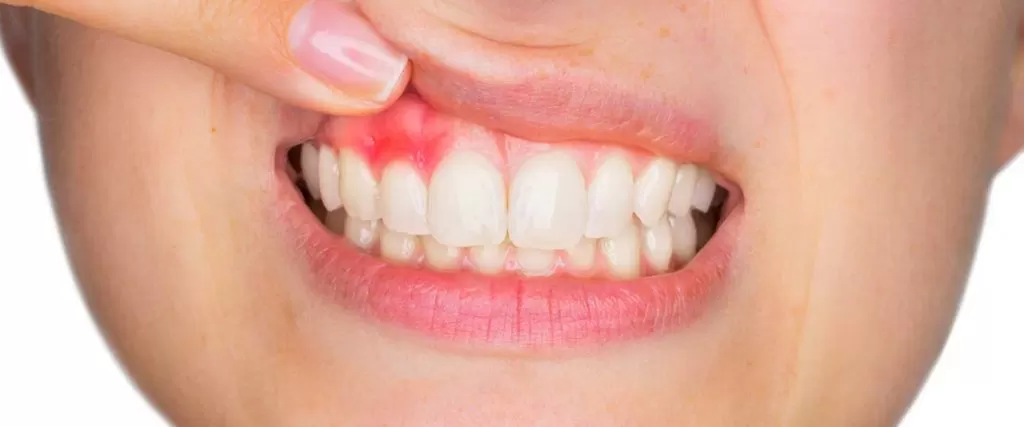
Gum disease occurs when the gums become infected with bacteria. The infection causes inflammation and irritation of the gum tissue. Most adults experience gum disease at some point in their lives. Gum disease can be treated without surgery in its early stages. However, if the disease progresses and causes serious problems, surgical methods of treatment may be needed. It is important to detect and treat gum disease early. It is therefore essential to know the symptoms of gum disease.
What Is Gum Disease?
Gum disease develops in several stages. In its early stages, gum disease is known simply as gingivitis. When gingivitis is not treated, the ligaments that support the teeth, which are the connective tissues that hold the teeth to the jaw bone, become inflamed. This degree of gum inflammation is called "periodontitis". Periodontitis is a serious gum problem and must be treated immediately. The symptoms of gum disease can be hard to detect in the early stages.
What Are the Symptoms of Gum Disease?
The symptoms of gum disease in its early stages include swelling, redness and tenderness of the gums. The gums may bleed after brushing or flossing. The symptoms of gum disease can be listed as follows:
Red, swollen gums: This is the first sign of a gum problem. Gum disease usually begins with inflammation along the gum line. Healthy gums look light pink. If unusual redness of the gums is noticed, it is essential to consult a doctor.
Bad breath: Many bacteria are present in the mouth under normal conditions. The bacteria feed on the plaque that builds up on the surface of the teeth. When plaque is not cleaned away, the number of bacteria in the mouth also increases. The bacteria release toxins that can irritate the gums and teeth and cause bad breath. Bad breath can be a symptom of gum disease.
Receding gums: If the teeth look longer than before, gum recession may have begun. Tooth sensitivity: Excessive tooth sensitivity to cold and heat is a symptom of gum disease. This symptom usually occurs together with gum recession.
How Is Gum Disease Treated?
The methods chosen to treat gum disease vary depending on the stage of the disease, how effective previous treatments have been and general health. The treatments are divided into two categories: surgical and non-surgical. Non-surgical gum treatments include the following:
Professional Teeth Cleaning
Plaque and tartar cause gum disease when they get under the gum line. It is possible to get rid of this problem with professional teeth cleaning. In professional teeth cleaning, a very simple procedure, the dentist cleans away plaque and tartar deeply. If a person is prone to gum disease, the dentist may recommend cleaning more than twice a year. Regular professional cleaning helps to prevent gum disease.
Scaling and Root Planing
If the dentist decides that plaque and tartar have built up beneath the gums, they will carry out scaling and root planing. This procedure is done under local anaesthetic. The procedure removes plaque and tartar above and below the gum line. The rough spots on the root of the tooth are then smoothed, which makes it harder for bacteria to attach and multiply. In some cases, gum treatments require surgery. The gum treatments that involve surgery are as follows:
Pocket Reduction Surgery
During this procedure, the gums are lifted back and the tartar that has built up beneath them is removed. At the same time, the pockets formed by gum recession and filled with tartar are cleaned. In some cases, damaged bone around the teeth may need to be reshaped. This procedure is also called root planing. The gums are then put back in place so that they fit tightly around the tooth. Properly closing the gap between the gum and the teeth also limits the areas where harmful bacteria can grow. This reduces the chances of the serious health problems that can arise from gum disease.
Bone Grafting
In bone grafting procedures, bone grafts taken from the patient's own bone, or artificial bone, are used in place of the bone destroyed by gum disease. These grafts replace the bone in the areas destroyed by gum disease and help the bone in the area to regenerate. The procedure aims to reattach the teeth to the bone.
Soft Tissue Grafting
With this procedure, thin gums are strengthened or the places where the gum has receded (areas where the root of the tooth is exposed) are filled in.
Guided Tissue Regeneration (GTR)
Guided tissue regeneration involves stimulating the growth of the bone that supports the teeth and then placing barriers around the gum tissue or teeth to direct this growth. After the gum pockets have been thoroughly cleaned and disinfected, a biologically absorbable membrane is placed between the gum tissue and the exposed area of the tooth root. This membrane ensures that the bone regrows properly.
Get a Free Quote
If you would like detailed information about our dental treatments, you can contact us by filling in our consultation form, or you can get information directly through our WhatsApp line +90 544 348 07 87.
Our doctors will plan the most suitable treatment for you and give you detailed information.


