

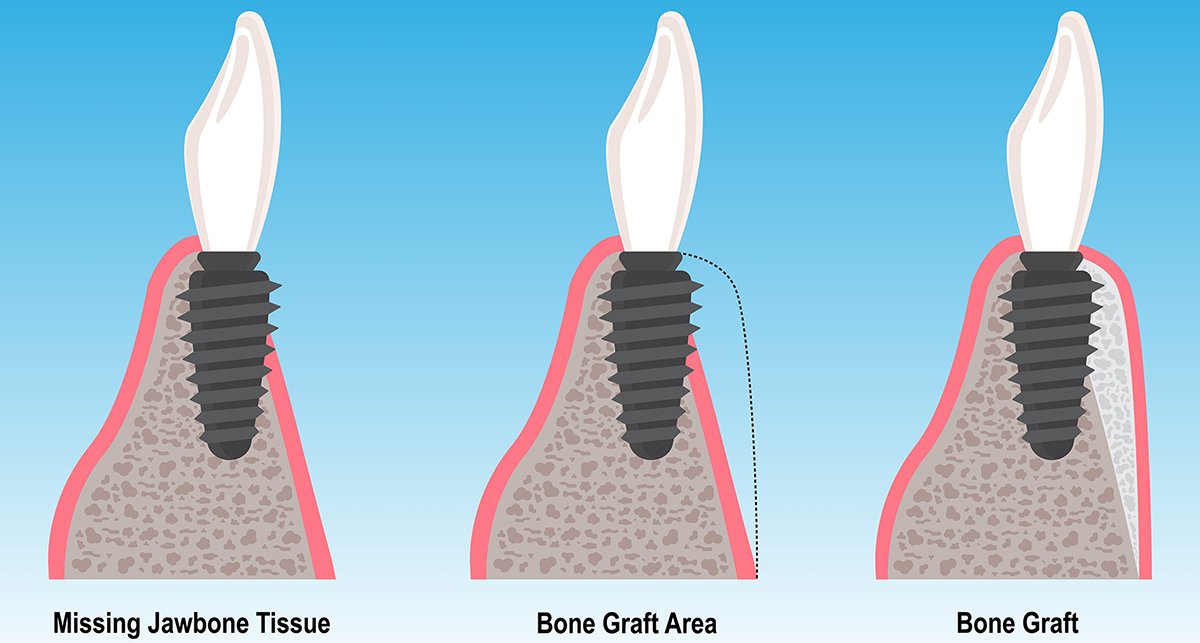
Dental Implants and Bone Grafts: Building a Strong Foundation for Your Smile
If your dentist has told you that you need a bone graft before getting dental implants, you might be feeling a bit overwhelmed. It sounds like a major surgery, but in modern dentistry, it is a routine, highly predictable procedure.
Think of it this way: You wouldn’t build a house on a weak foundation. A bone graft ensures your “foundation” (the jawbone) is strong enough to hold your “house” (the dental implant).
Can You Get a Bone Graft and Dental Implant on the Same Day?
One of the most common questions we hear in our Antalya clinic is: “Do I have to wait, or can I get it all done at once?”
The answer is: It depends on the stability of your existing bone.
Same-Day Procedure: If you have enough healthy bone to provide “primary stability” (meaning the implant can stay firmly in place while the graft heals around it), we can perform the bone graft and dental implant on the same day. This saves you months of waiting and reduces the number of surgeries.
Staged Procedure: If the bone loss is severe, the implant would have nothing to “grip.” In this case, we must place the graft first, let it turn into solid bone, and then place the implant in a second session.
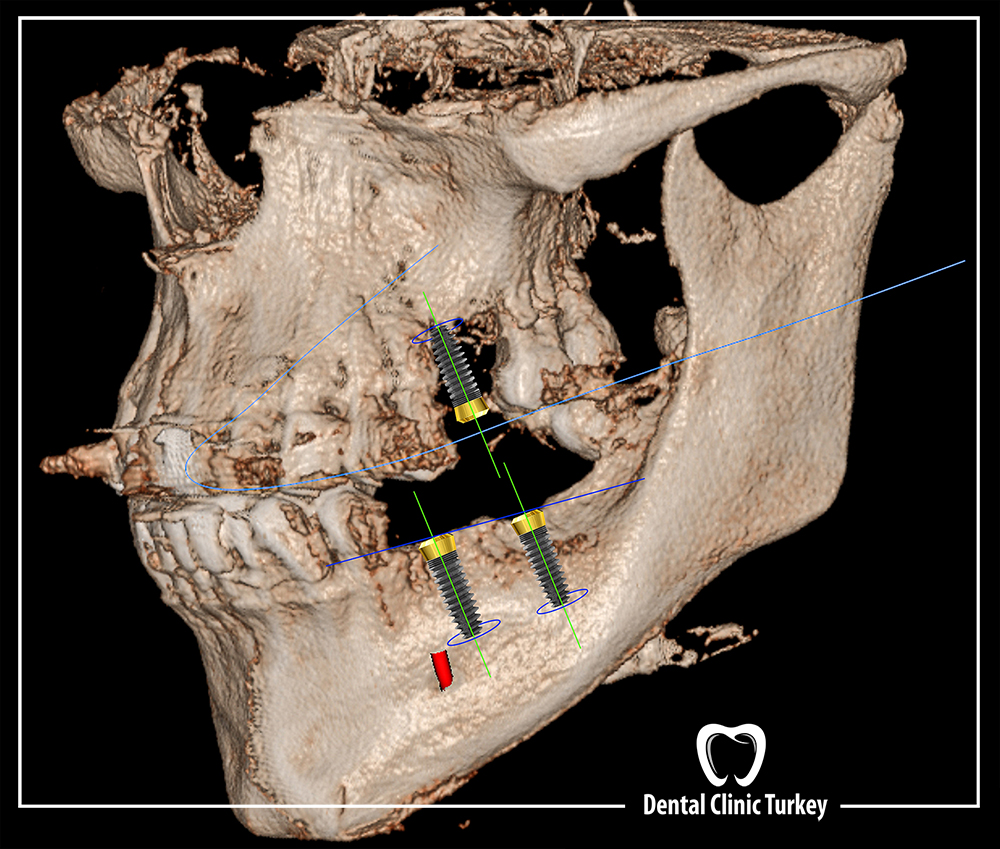
What is the Maximum Time Between a Bone Graft and a Dental Implant?
Timing is everything. Once a bone graft is placed, it undergoes a process of maturation. However, you cannot wait forever.
The “Sweet Spot”: Usually, the ideal window to place an implant is 4 to 9 months after the graft.
The Risks of Waiting Too Long: If you exceed the maximum time (usually 12+ months) without placing an implant, the newly grafted bone can actually start to resorb (shrink) again. This is because bone needs the “mechanical stress” of an implant to stay healthy and dense.
Our Advice: If you’ve had a graft, don’t delay the implant phase more than a year. If you wait too long, you might actually need a second “top-up” graft before the implant can be placed.
Why Do I Need a Bone Graft for a Dental Implant?
When you lose a tooth, the jawbone in that area starts to recede because it no longer has a root to stimulate it.
A bone graft is necessary if:
Your jawbone is too thin or narrow.
You have significant bone loss due to gum disease (periodontitis).
Your sinus cavities are too close to the jaw (requiring a Sinus Lift).
How Does the Bone Grafting Process Work?
The goal of a bone graft isn’t just to “fill a hole”—it’s to encourage your body to grow new, natural bone.
Preparation: The area is numbed with local anesthesia.
Placement: The grafting material is placed into the area where bone is lacking.
Protection: A special membrane is often placed over the graft to keep it in place.
Healing: Your body performs a miracle called regeneration, using the graft as a scaffold to build its own strong bone.
Types of Bone Grafts in Dental Implantology
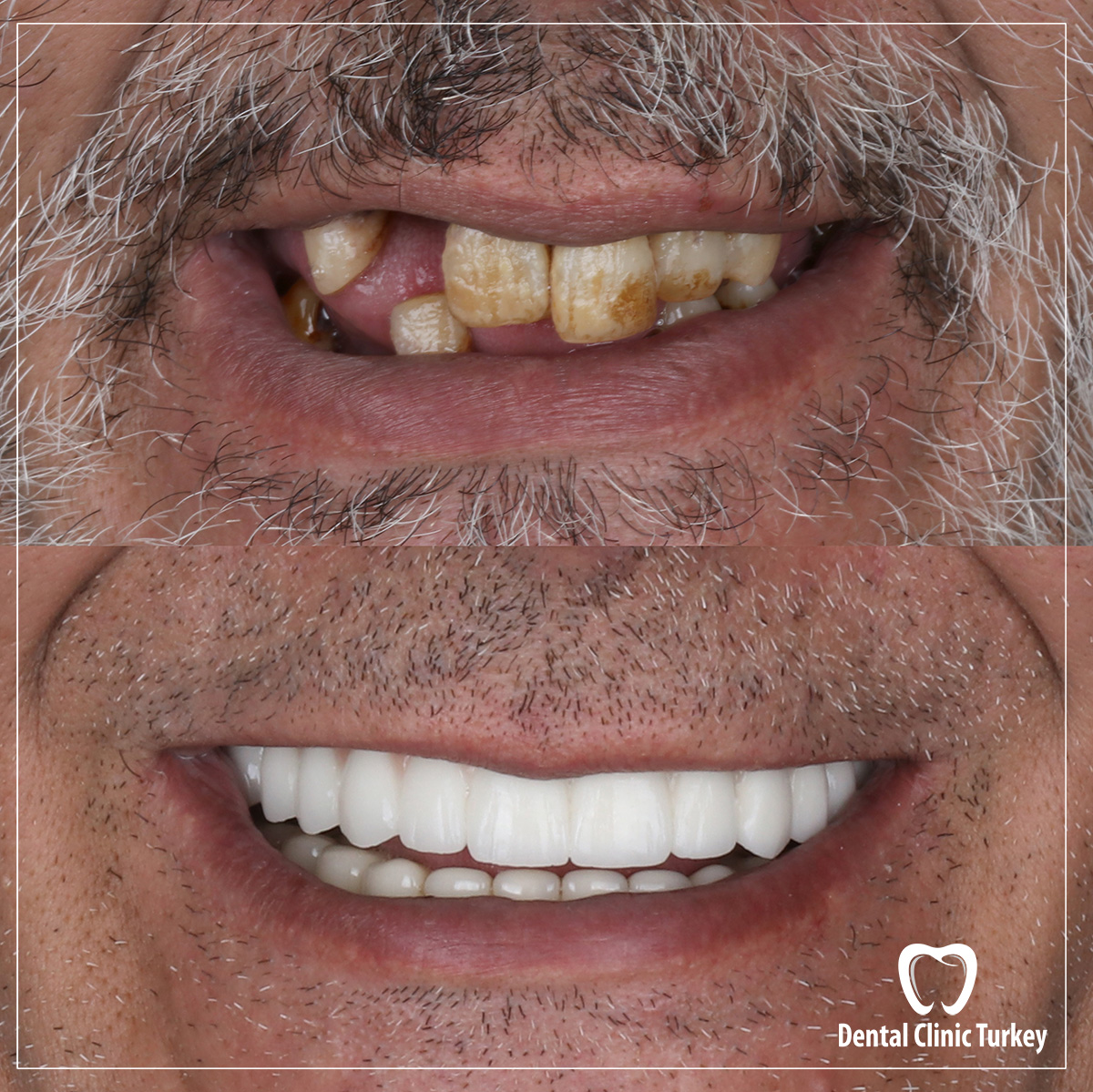 Socket Graft: Done immediately after a tooth extraction to prevent bone collapse.
Lateral Ridge Augmentation: Increases the width of a narrow jawbone.
Sinus Lift: Performed on the upper jaw to create space below the sinus.
Recovery and Success Rates
The success rate for bone grafts in Antalya is over 95%. Recovery typically involves:
First 48 hours: Minor swelling and discomfort, easily managed with ice and ibuprofen.
1 Week: Stitches are removed, and you can return to a normal routine.
3-6 Months: The “waiting game” while the bone matures (unless you had a same-day procedure).
Why Choose Antalya for Your Treatment?
Bone grafting requires surgical precision. In Turkey, our clinics use PRP (Platelet-Rich Plasma) therapy using your own blood to speed up the healing of the bone graftat a fraction of the cost you would find in the UK or USA.