
Bone Grafting and Sinus Lift for Dental Implants: When Are They Really Necessary?
Not every dental implant patient needs additional procedures.
Contents
ToggleBone grafting and sinus lift are only recommended when the existing bone is not sufficient to support an implant safely and predictably. When properly planned, these procedures are not complications — they are part of responsible implant treatment.
Understanding when they are necessary — and when they are not — helps patients make informed decisions without unnecessary concern.
Why Bone Quality Matters for Dental Implants
Dental implants rely on bone for long-term stability. It is not just the amount of bone that matters, but also its quality and structure. Adequate bone is essential for:
Implant stability and integration
Proper load distribution during chewing
Long-term success and durability
Natural-looking prosthetic results
When bone volume or density is insufficient, placing an implant without preparation increases the risk of failure.
What Is Bone Grafting?
Bone grafting is a procedure used to increase or restore bone volume in areas where natural bone is insufficient.
It may be recommended when:
Bone loss has occurred due to long-term tooth loss
Previous infections affected bone structure
Natural bone resorption has progressed over time
Bone grafting creates a stable foundation for implants and helps achieve predictable results.
In many cases, it allows patients to receive implants who would otherwise not be suitable candidates.
What Is a Sinus Lift?
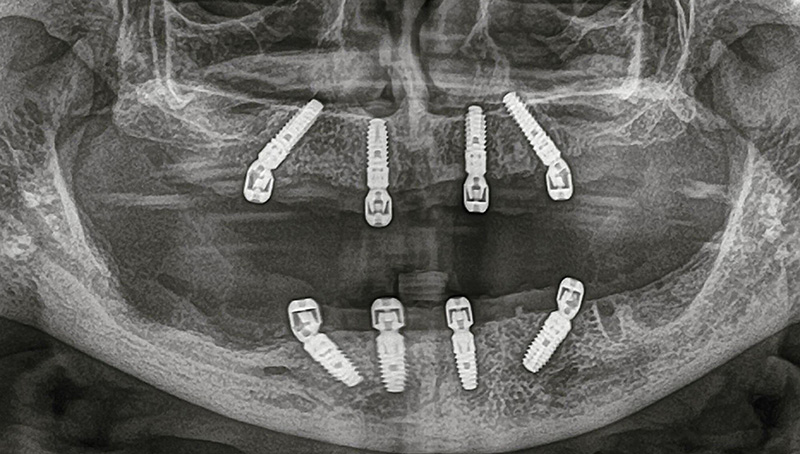
A sinus lift is a specific type of bone augmentation performed in the upper back jaw.
In this area, the maxillary sinus sits close to where implants are placed.
When bone height is limited, a sinus lift gently creates space for new bone between the sinus and the jawbone.
A sinus lift may be recommended when:
Upper molar or premolar bone height is insufficient
Long-term tooth loss has caused bone resorption
Implant placement would otherwise compromise stability
This procedure is performed only when necessary and is planned carefully based on imaging and anatomical assessment.
Bone Grafting vs. Sinus Lift: What’s the Difference?
Although both procedures aim to improve bone conditions, they are used in different situations.
Bone grafting can be performed in various areas of the jaw where bone volume is limited
Sinus lift is specific to the upper jaw and involves the sinus cavity
The choice depends on anatomy, bone condition, and implant position — not preference or routine.
When These Procedures Are NOT Necessary
Not every implant case requires additional procedures.
Bone grafting or sinus lift may not be recommended when:
Existing bone volume is sufficient
Implant position allows stable placement
Bone density supports long-term integration
A thorough evaluation helps avoid unnecessary procedures and ensures treatment remains as conservative as possible.
How Bone Grafting and Sinus Lift Affect Treatment Time and Cost
Additional procedures may influence:
Overall treatment timeline
Healing phases between stages
Total treatment complexity
However, when planned in advance, they are not unexpected extras.
They are part of a transparent treatment plan designed to reduce long-term risk.
For a broader understanding of how planning affects cost, you may find it helpful to review our explanation of dental implant pricing and cost differences in Turkey.
Our Clinical Approach to Bone Augmentation
We base every recommendation on diagnostic evidence, not routine protocols.
Our approach includes:
Detailed radiological evaluation (CBCT imaging)
Individual assessment of bone volume and quality
Conservative decision-making
Clear communication about necessity and alternatives
Additional procedures are recommended only when they improve safety and predictability.
Understanding Suitability Before Treatment
Some patients are concerned that bone grafting or sinus lift automatically makes treatment more complex or risky.
In reality, these procedures are often what make implant treatment possible and stable.
At the same time, knowing when not to perform them is equally important.
A proper evaluation ensures the treatment plan is based on clinical needs — not assumptions.
Not Sure If Additional Procedures Are Needed in Your Case?
The necessity of bone grafting or sinus lift depends on anatomy, bone condition, and treatment goals.
A careful evaluation with imaging helps determine what is appropriate for your situation — without unnecessary procedures.
No automated quotes. Individual clinical review only.